Across dharmic traditionsHinduism, Buddhism, Jainism, and Sikhismthe movement from many divine forms to one ultimate reality is neither contradiction nor confusion; it is a sophisticated philosophy of unity in spiritual diversity. The phrase “from many gods to one” becomes a bridge, not a barrier, when understood through concepts such as Ishta, Anekantavada, and Ik Onkar. Taken together, these ideas demonstrate how plural expressions of the sacred converge on a shared, universal truth that uplifts individual devotion and fosters communal harmony.
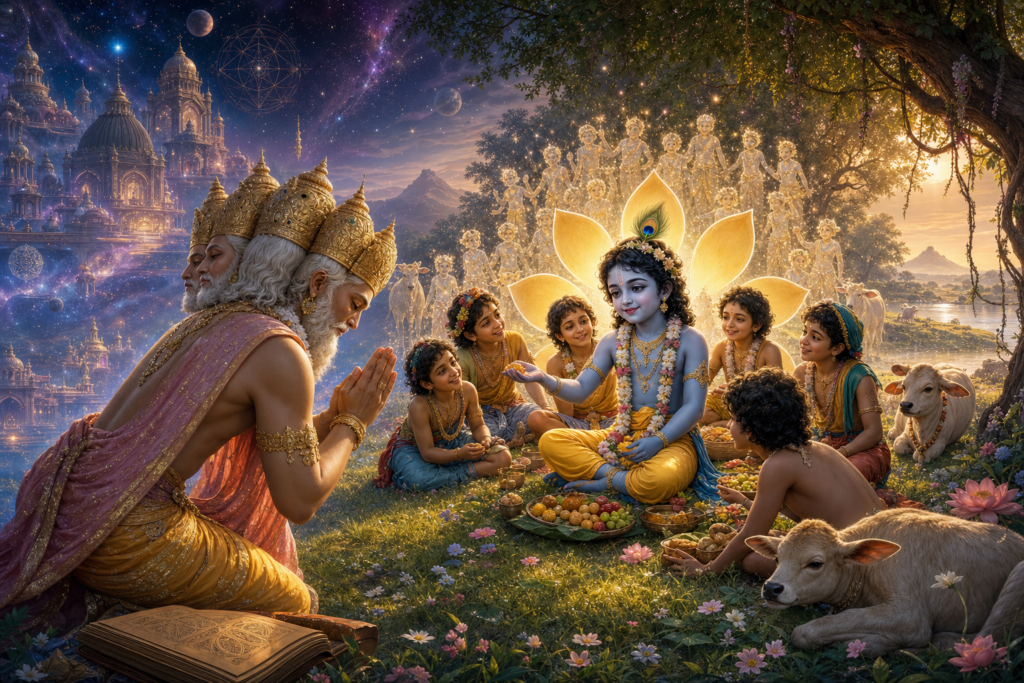
Within Hindu thought, plurality is honored through Ishtaeach seeker may approach the Divine via a chosen form that resonates with individual temperament. This devotional freedom rests upon the Upanishadic insight that the ultimate reality, Brahman, is one without a second. The Rig Vedic dictum captures this inclusive vision: “Ekam sat viprā bahudhā vadanti.” Many names and deities, therefore, are understood as diverse windows to the same transcendent presence, enabling intimate bhakti while affirming a universal ground of being.
Buddhist perspectives complement this by pointing to the Dharmakaya or the boundless nature of awakening, wherein multiple Buddhas and bodhisattvas manifest skillfully (upaya) to guide different minds. Rather than a creator God, Buddhism emphasizes direct realization of ultimate truthśūnyatā or the emptiness of fixed essencerevealing a spacious unity that can hold infinite forms of compassion. This approach harmonizes with plural devotion by showing how varied practices mature into a single liberating insight.
Jain philosophy advances unity through epistemic humility. Anekantavada and Syadvada teach that truth has many facets; no single viewpoint exhausts reality. The Tirthankaras exemplify perfected awareness, encouraging ethical discipline and nonviolence (ahimsa) as universal pathways. By honoring multiple standpoints while seeking one ethical and spiritual summit, Jainism nurtures a pluralism grounded in responsibility and respect.
Sikhism affirms the oneness of the Divine with the luminous declaration Ik OnkarOne, timeless, formless reality. While the Name (Naam) can be remembered in infinite ways, the essence remains singular. Through kirtan, seva, and egalitarian community, Sikh practice translates metaphysical unity into lived equality, strengthening the insight that one truth can be lovingly expressed through many melodies of devotion.
Together, these traditions reveal a clear pattern: multiplicity in symbols and practices does not negate oneness; it reveals how one reality meets different hearts. Shared virtuesahimsa, karuṇā, satya, dharma, and sevaform a common ethical language. This convergence supports religious pluralism, deepens interfaith trust, and makes Universal Religion an experiential possibility rather than a mere ideal.
In daily life, this unity appears in quiet, relatable moments: families lighting lamps during Deepavali, communities chanting in a gurdwara, meditators finding stillness in a vihara, and devotees bowing before a murti. Many have felt a common peace in these different settings, a sense that the same compassionate vastness holds diverse rituals together. Such personal resonance enriches cultural bonds and helps communities navigate difference without division.
Practical pathways strengthen this insight. Study circles that explore the Upanishads, the Dhammapada, the Āgamas, and the Guru Granth Sahib cultivate informed respect. Joint seva projects transform shared values into shared service. Mindful dialogue, grounded in Anekantavada and the spirit of Ishta, allows multiple viewpoints to illuminate one another rather than compete. Festivals like Vesak, Paryushana, Gurpurab, and Deepavali become opportunities to recognize one light refracted through many traditions.
Modern articulations echo this timeless synthesis. Swami Vivekananda’s reflections on Ishta and Universal Religion affirm that many valid spiritual routes reach the same summit, and that sincere practicerather than uniformityunites seekers. This vision supports religious tolerance in Hinduism and beyond, inviting a generous understanding that safeguards diversity while celebrating a shared spiritual destiny.
Seen through a dharmic lens, “from many gods to one” is a journey from form to essence, from partial views to expansive understanding. It encourages honoring personal paths while recognizing a universal reality that transcends names and images. By living the ethics common to all four traditions and embracing plural worship without imposing sameness, communities embody unity in spiritual diversity and deepen harmony across the broader civilizational fabric.
Inspired by this post on SikhNet – News.