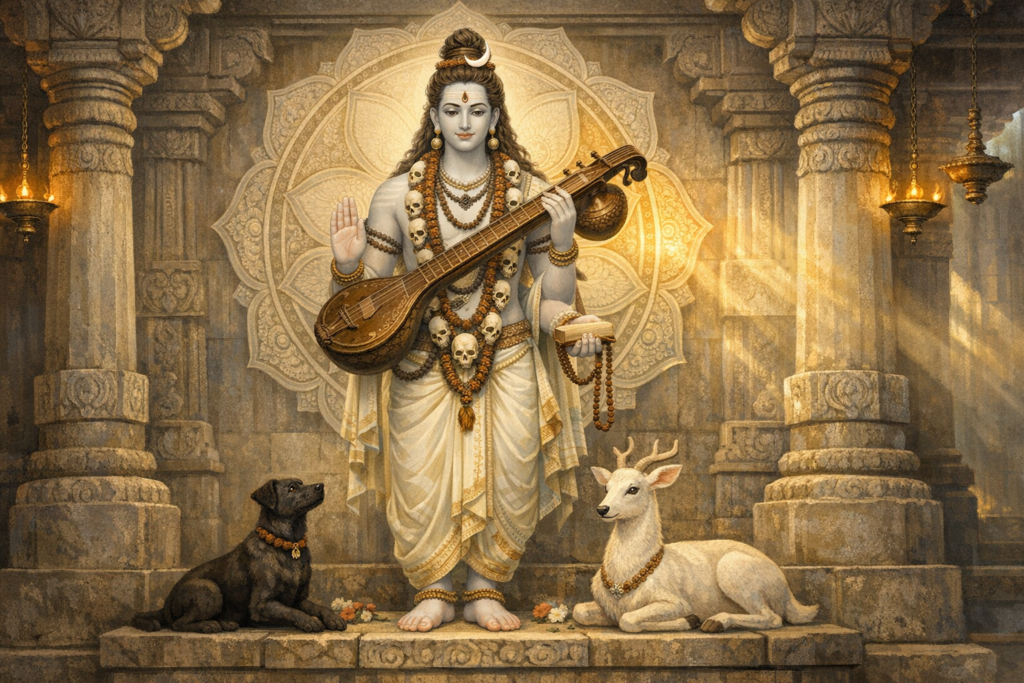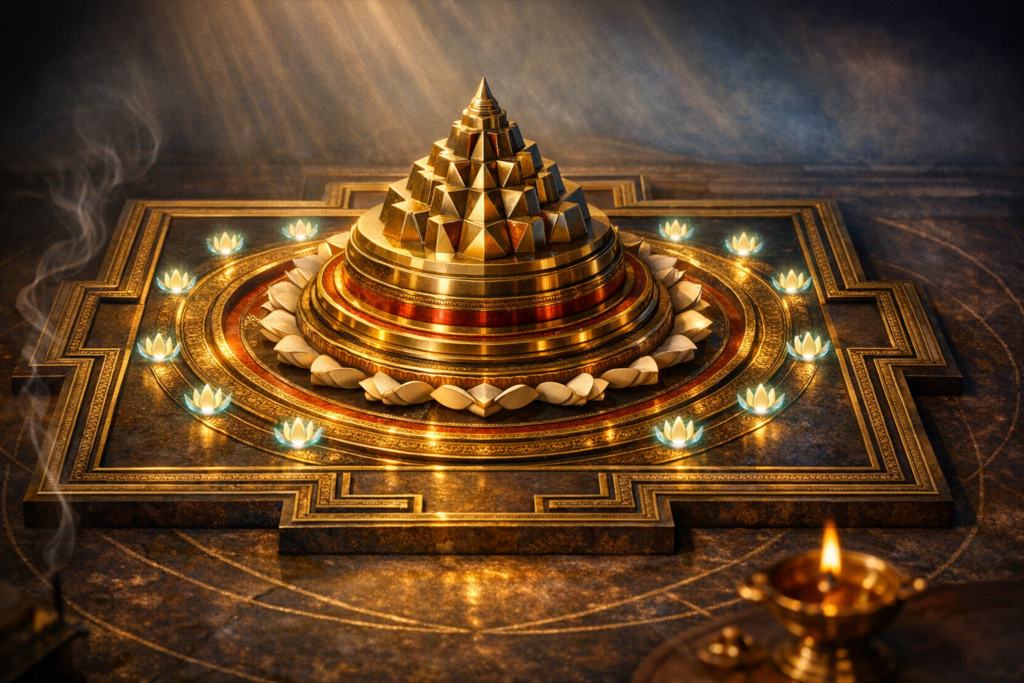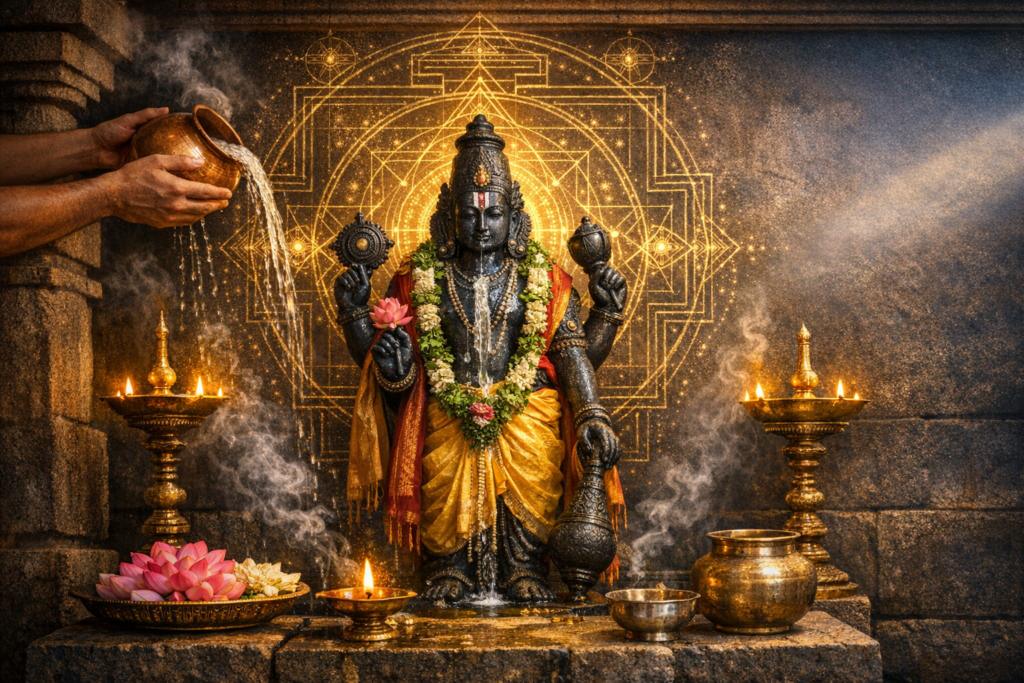
Tripuranthakeswara Temple at Tripuranthakam is an ancient Shiva temple in the Prakasam district of Andhra Pradesh, revered as the eastern gateway to Srisailam. The sacred complex is anchored by two primary shrines: Tripuranthakeswara Swamy (Lord Shiva) and Tripura Sundari Devi (Shakti). This Shaiva–Shakta confluence has long made the site a vital halt on the Hindu pilgrimage circuit in southern India, especially for those proceeding toward the Srisailam kshetra.
Puranic tradition holds that after the destruction of the three demon cities (Tripura), Shiva manifested here as Tripurantaka and established his abode, conferring the name Tripuranthakeswara. The presence of Tripura Sundari Devi alongside the Shiva linga underscores the indivisible harmony of Shiva and Shakti. This symbolism—triumph of dharma over adharma, coupled with the balance of inner strength and compassion—resonates across dharmic traditions, inviting a shared reverence for self-discipline, wisdom, and non-harm.
Set amid the hill country edging the Nallamala landscape, Tripuranthakam offers a serene sacred geography that encourages contemplation. Pilgrims and visitors frequently note the quiet approach, the layered silence of the precincts, and the reflective mood fostered by the twin sanctums. This environment, central to Hindu spirituality, also aligns with broader dharmic sensibilities of mindful presence and ethical living.
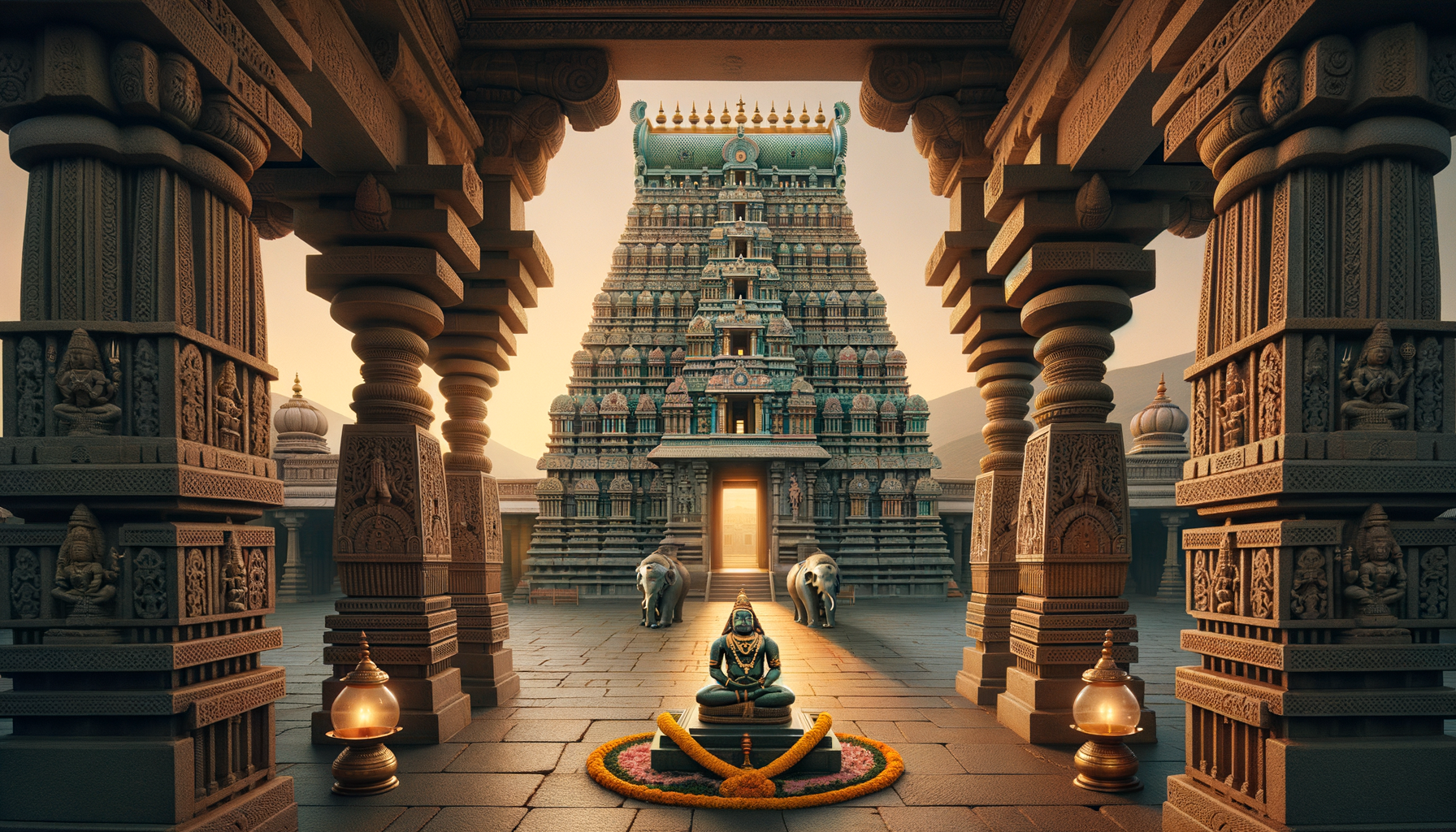
The temple complex reflects features characteristic of South Indian temple architecture, with structured mandapas, a sanctum (garbhagriha) focused on the linga of Tripuranthakeswara, and processional pathways for festivals and daily seva. Ritual and festival life peaks during Maha Shivaratri and the Karthika masam for Shiva, and during Navaratri for Tripura Sundari Devi, when devotees emphasize vratas, deepa-dana, and collective recitation that reinforce continuity of sacred traditions.
Visitors often describe the transition through the temple’s thresholds as both historical and inwardly transformative, an experience that mirrors the idea of Tripuranthakam as a spiritual gateway to Srisailam. The site’s integrated Shaiva–Shakta worship presents a living reminder of unity within diversity, reflecting the inclusive ethos shared across Hinduism, Buddhism, Jainism, and Sikhism—traditions that value inner discipline, compassion, and the pursuit of truth.
Situated within Andhra Pradesh’s well-traveled devotional landscape, Tripuranthakam is accessible from regional towns in the Prakasam district. As with many heritage temples, customs of dress, quiet conduct in sanctums, and respect for photography norms are appreciated. Early mornings and evenings are preferred by many pilgrims for darshan, aligning with the temple’s tranquil rhythm and enhancing the contemplative quality of the visit.
As a living heritage site, Tripuranthakeswara Temple safeguards a nexus of legend, ritual, and architecture while welcoming contemporary seekers. Its role as the eastern gateway to Srisailam extends beyond geography; it opens a path toward inner stillness, reminding all who come that the balance of Shiva and Shakti is both a theological insight and a personal discipline that unites dharmic communities in a shared quest for wisdom.
Inspired by this post on Hindu Pad.