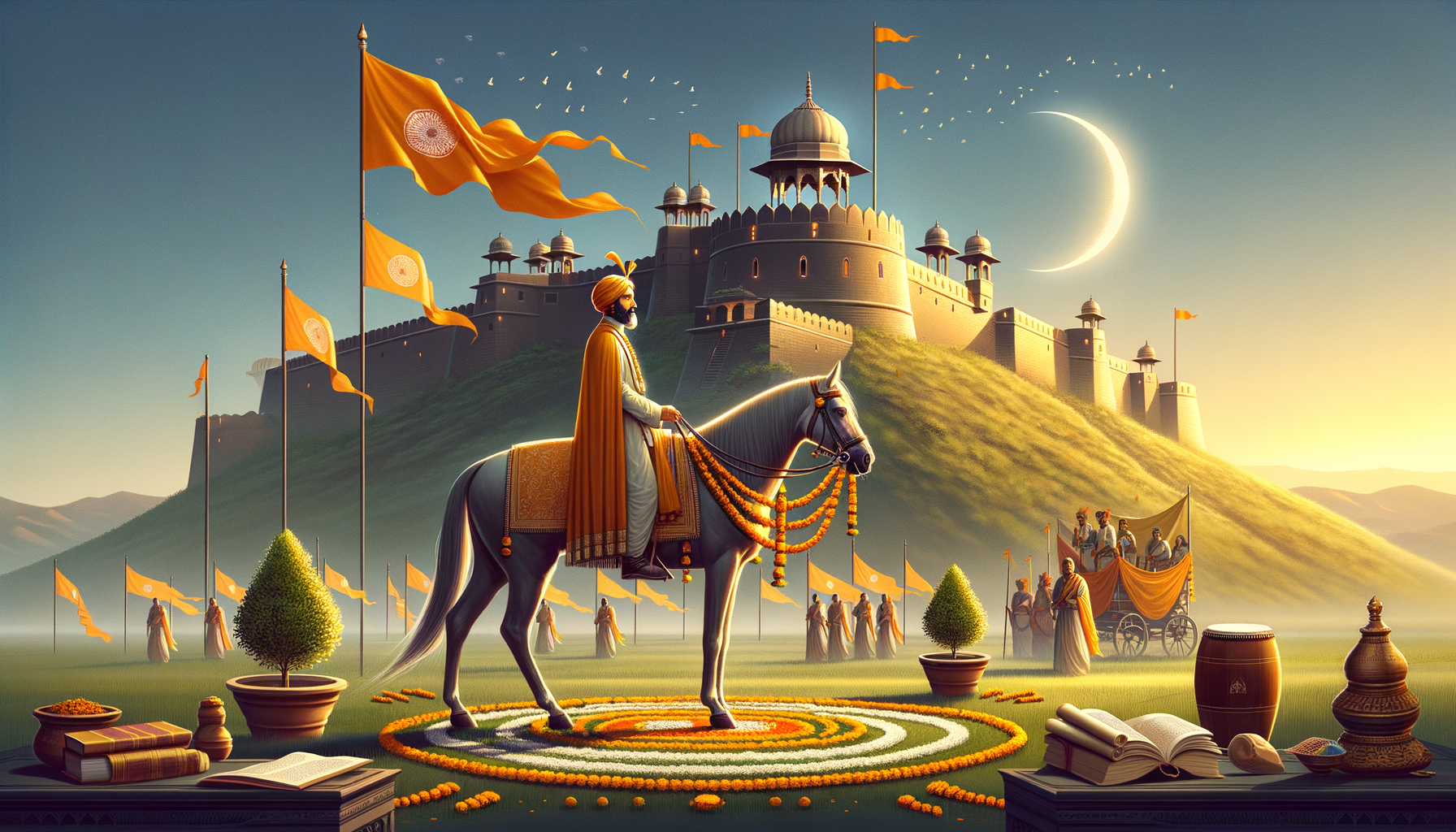
Chhatrapati Shivaji Maharaj Jayanti 2026 honors the birth of one of India’s most influential historical figures, celebrated for visionary statecraft grounded in dharma, courage, and social responsibility. The observance carries cultural, historical, and spiritual significance across India, particularly in Maharashtra, and continues to inspire ethical leadership and community service.
Tithi anusar (as per the Hindu calendar), Shivaji Maharaj was born on Phalgun Krishna Paksha Tritiya. Historically, he was born as Shivaji Bhosle to Shahaji Bhonsle and Jijabai on 19 February 1630. These two markers—Gregorian date and lunar tithi—shape how communities schedule and experience the Jayanti each year.
In 2026, many in Maharashtra and beyond will commemorate Shivaji Maharaj Jayanti on 19 February 2026 as a widely observed civil date. The tithi-based observance falls on Phalgun Krishna Paksha Tritiya, and exact timings vary by location; consulting a reliable Panchang helps determine local muhurat and ritual windows. This dual observance reflects living traditions within the Hindu calendar while ensuring broad civic participation.
Beyond commemoration, the day invites reflection on values associated with Shivaji Maharaj: steadfast adherence to dharma, protection of cultural heritage, administrative excellence, and inclusive respect for spiritual diversity. These ideals resonate across the dharmic family—Hinduism, Buddhism, Jainism, and Sikhism—affirming unity in diversity and encouraging dialogue, compassion, and collective wellbeing.
Communities typically mark the occasion with Shobhayatra processions, recitations, and cultural programs, including powada performances that narrate episodes from the Maratha Empire. Schools and civic groups often organize talks on Indian history, cleanliness drives, and seva initiatives, translating reverence into public service. Families may observe simple home rituals, read from historical sources, and share stories that make the legacy accessible to younger generations.
For many, the observance becomes a personal moment of resolve—whether to study Indian history more systematically, to contribute to local heritage preservation, or to practice everyday leadership through fairness, courage, and care. In this way, Chhatrapati Shivaji Maharaj Jayanti 2026 becomes both a tribute to the past and a guide for contemporary ethical action.
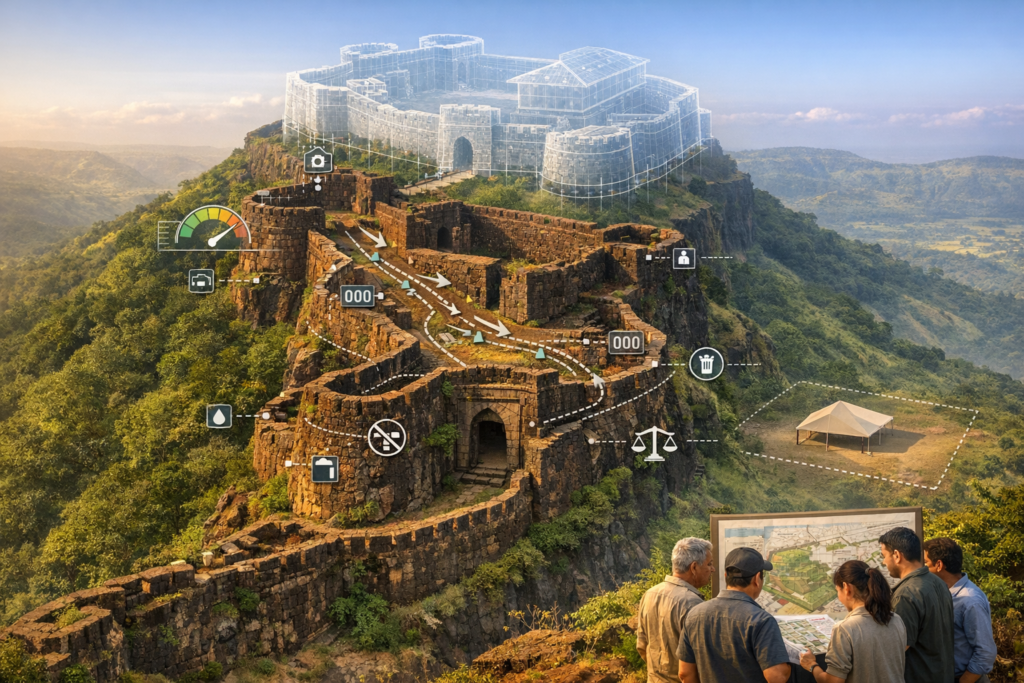
Meaningful celebration in 2026 can include: learning the historical context of Phalgun Krishna Paksha Tritiya and the Hindu calendar; visiting museums or heritage sites associated with the Maratha Empire; supporting educational programs that illuminate India’s civilizational continuity; and adopting eco-conscious practices during public events. Such choices deepen understanding, strengthen social cohesion, and honor the enduring spirit of unity in diversity.
Inspired by this post on Hindu Pad.