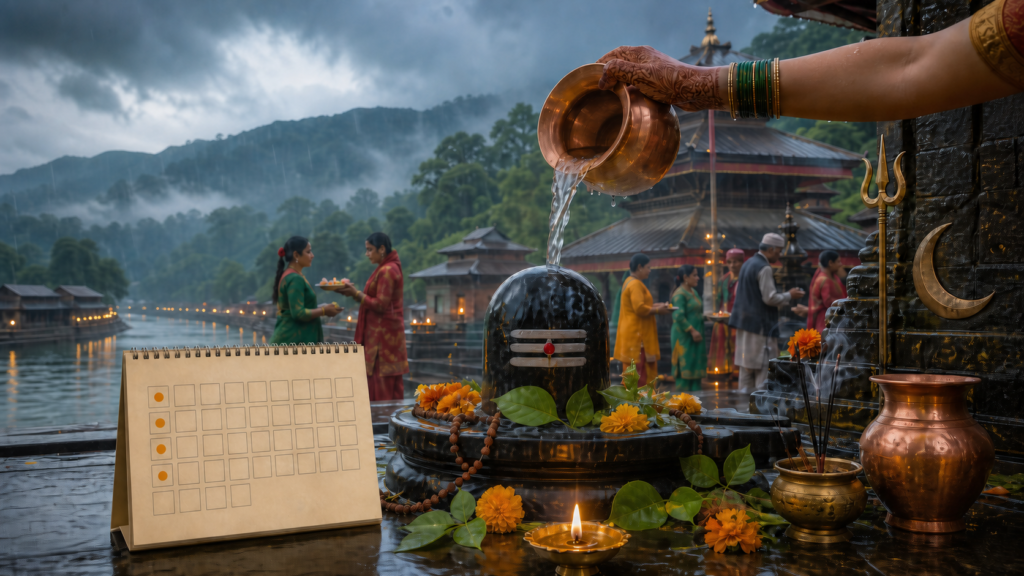
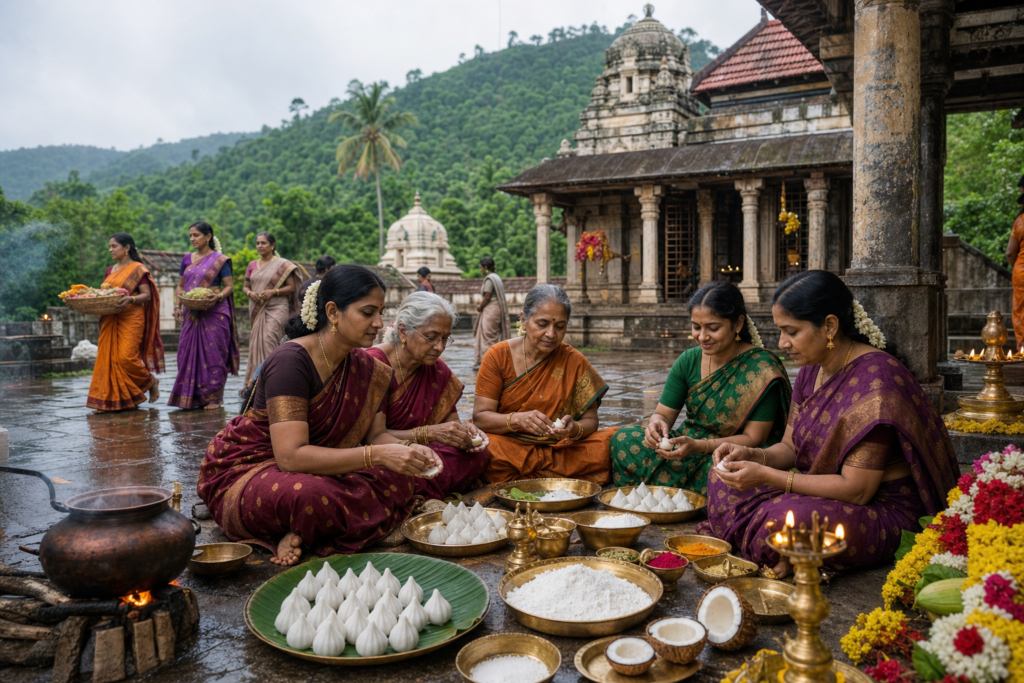
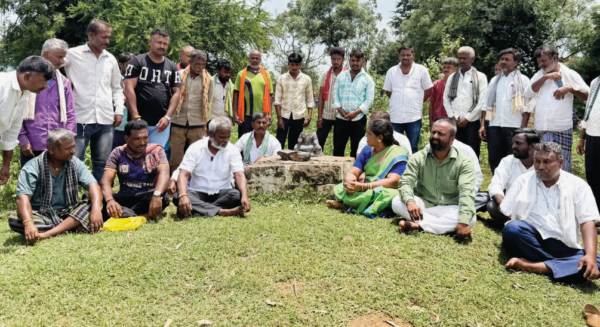
Prana Prathistha refers to the formal consecration through which prana (vital energy) is ritually invited into a murti (idol), transforming a crafted image into a living focus of worship. The “aagama literature” preserves detailed methods for this process, which explains why a temple may hold many statues, yet collective devotion centers on the deity installed in the sanctum (garbhagriha) after elaborate rites.
Guided by Agama and Vedic procedures, consecration typically involves purification (prokshana), mantra nyasa, netronmilanam (ceremonial “opening of the eyes”), homa, and kumbhabhisheka. Through continuous japa of specific Vedic mantras and offerings into the sacred fire, priests align the physical form with subtle intent, after which the murti is recognized as an archā presence rather than a mere object. In this framework, pranaunderstood as pranic energyis intentionally associated with the image so that ritual, space, and community devotion are harmonized.
In practice, this is why the central chamber receives the most rigorous daily seva and festivals. The consecrated image becomes the liturgical heart of the temple, drawing the community’s attention and shaping a shared rhythm of darshan, ārati, and prasada. Statues elsewhere in the complex may be aesthetically significant, yet the consecrated deity uniquely holds the community’s devotional focus.
Devotees frequently describe an intensified stillness or uplift in the sanctum. From an interpretive perspective, this can be understood as the convergence of prana-focused ritual, acoustic resonance from mantra recitation, and collective bhakti, all of which cultivate an atmosphere of sanctity that many experience as palpably different from other spaces in the temple. Such experiences, though personal, are consistent with the ritual aim of establishing a living, relational presence.
Consecration is not unique to one path. Jain communities perform pratistha of Jina murtis, many Buddhist traditions conduct eye-opening and blessing ceremonies for images, and Sikh practice reveres the Guru Granth Sahib as a living, enthroned presence without the use of idols. Across Hinduism, Buddhism, Jainism, and Sikhism, the shared principle is the mindful sanctification of a form, text, or space that serves as a locus of remembrance, ethical aspiration, and inner transformationunderscoring a dharmic unity that honors diversity in practice.
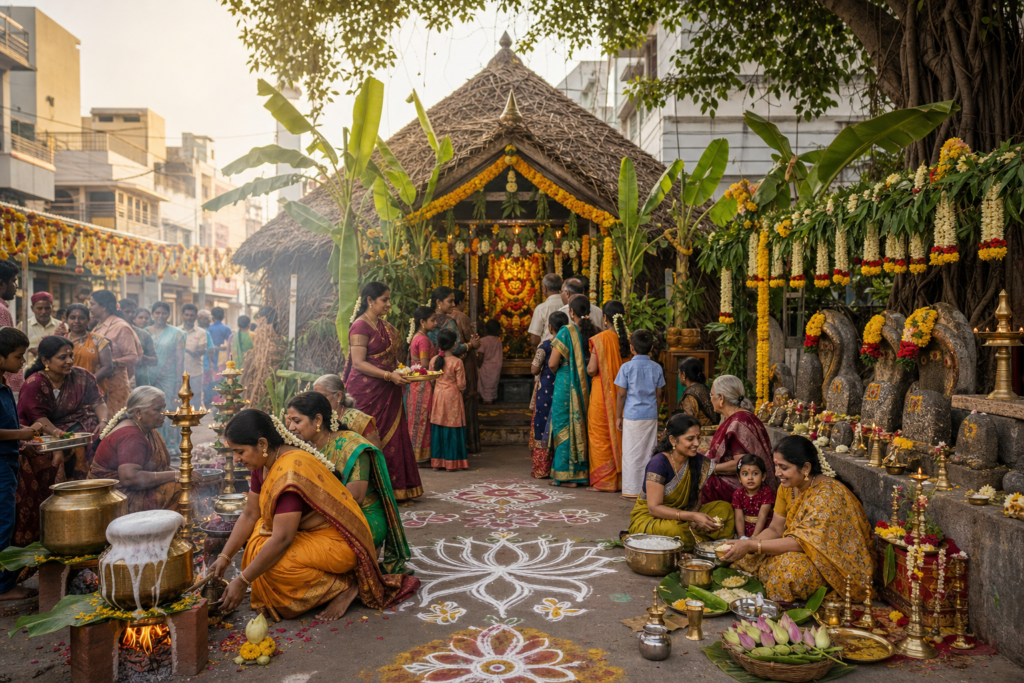
In domestic shrines, even simple practicescleanliness, lighting a lamp, sankalpa, and steady mantracan invite a sense of presence consistent with Prana Prathistha’s intent. While formal rites belong to trained archakas, everyday devotion aligns with the same fundamentals: purity, attention, and unwavering remembrance of the divine. This continuity between temple ritual and home practice strengthens personal discipline and communal cohesion.
Prana Prathistha also sustains the temple as a cultural institution. The installed deity anchors festivals, community service, music, dance, and learning, preserving Vedic and Agamic knowledge while nurturing social cohesion and intergenerational transmission of dharmic values. In this sense, consecration nourishes both spiritual life and the living heritage of Hindu temples.
This perspective clarifies why worship is not directed to “stone” itself. After consecration, the murti functions as a sanctified interfacea symbol made transparentthrough which devotees engage their Ishta and cultivate virtues such as humility, gratitude, and compassion. The image, thus enlivened through ritual and intention, becomes a disciplined means to interiorize spiritual insight.
Understanding Prana Prathistha deepens respect for Hindu temples and illuminates resonances across dharmic traditions. It invites a balanced view that honors precise ritual knowledge and recognizes the universal human search for presence, meaning, and unity.
Inspired by this post on Hindu Pad.