The Ramayana offers more than a heroic arc; it unfolds a nuanced web of relationships that shape events across the forested expanse of Dandakaranya. Within this tapestry, Surpanakha’s ties to Khara and Dushana illuminate how kinship, political authority, and personal grievance intersect in Aranya Kanda, culminating in the pivotal Battle of Janasthana.
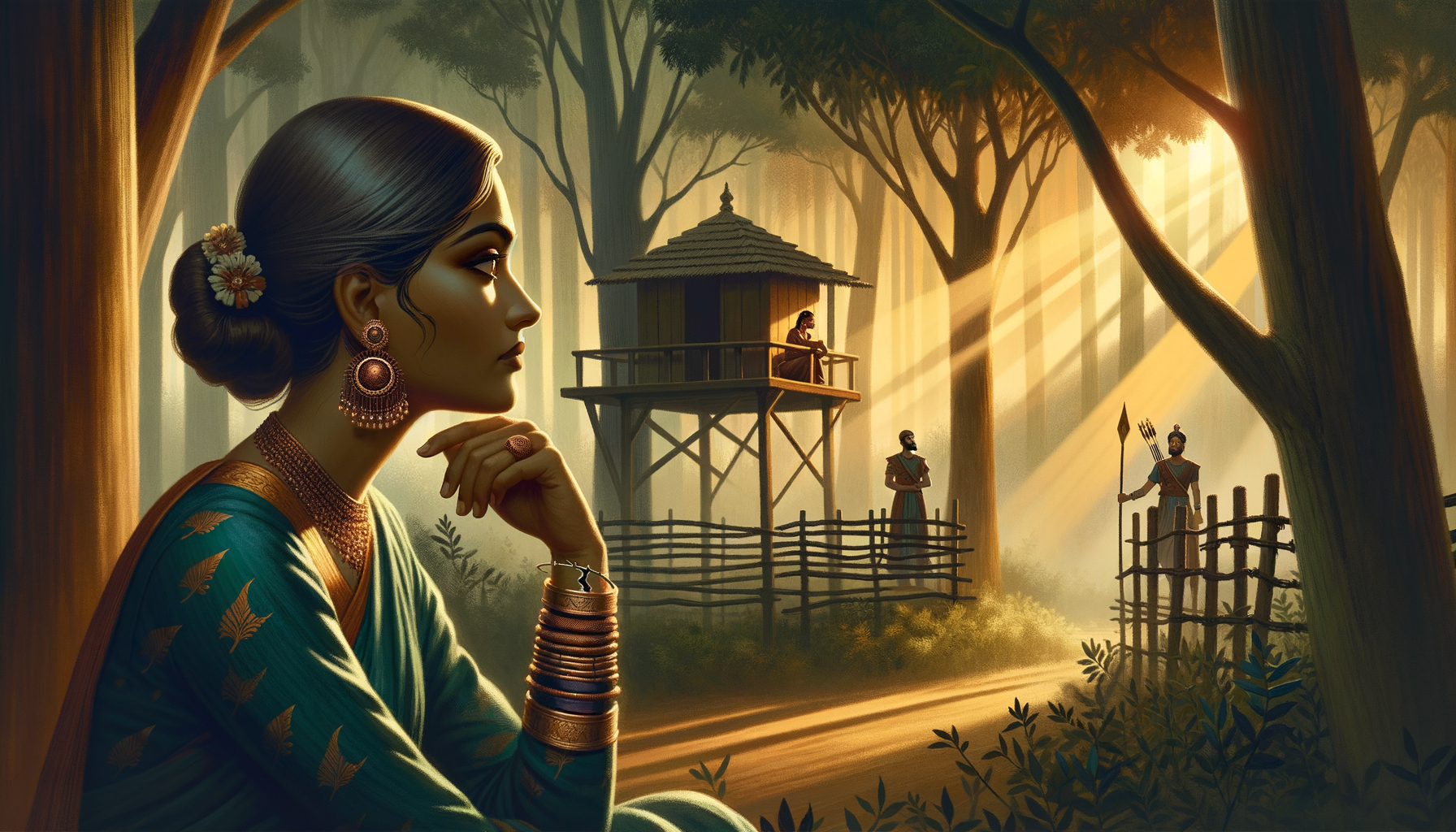
Surpanakha, sister of Ravana, is often portrayed as impetuous and bold, yet her portrayal also reflects vulnerability and wounded dignity. Her encounter with Rama, Sita, and Lakshmana at Panchavatiending in humiliation and disfigurementsets in motion a chain of decisions shaped by honor, family allegiance, and power. The emotional force of that moment speaks to readers who recognize how hurt and rejection can escalate into wider conflict if left unchecked.
Khara and Dushana, rakshasa commanders stationed at Janasthana, serve as key agents in Ravana’s frontier order. In regional retellings they are frequently described as Surpanakha’s brothers, while in the Valmiki Ramayana they appear foremost as her close kinsmen and military protectors under Lanka’s authority. Their responsibility over thousands of warriors marks Janasthana as a strategic outpost where familial bonds and state power converge.
Surpanakha’s appeal to Khara and Dushana exemplifies how kinship can activate political machinery. Her personal grievance becomes a security question for Janasthana’s leadership, and the responseswift, forceful, and fueled by loyaltydraws the narrative toward open confrontation. This dynamic reveals the epic’s insight into governance at the margins: when private wounds gain public consequence, leaders must navigate the line between protection and provocation.
The ensuing Battle of Janasthana, in which Rama and Lakshmana defeat Khara and Dushana, is framed as dharma confronting adharma. Yet the episode is not merely martial; it is tragic. It shows how love for family, absent discernment, can be instrumentalized into aggression. Readers often respond to this tension with empathy, recognizing how fear, pride, and honor can coalesce into decisive but disastrous choices.
Psychologically, the episode invites reflection on humiliation and redress. Surpanakha’s wounded honor and Khara’s duty-bound anger mirror real human experiences in which injury to dignity urges immediate retaliation. The Ramayana’s academic value lies in this moral complexity: it illustrates why restraintcentral to dharmic ethics across traditionsremains indispensable when personal and political domains collide.
Across diverse tellingsfrom the Valmiki Ramayana to regional narrativesdetails of the relationship vary, but the thematic core remains consistent: the fraught interplay of family loyalty, frontier governance, and ethical responsibility. Read through a dharmic lens that respects the shared values of Hinduism, Buddhism, Jainism, and Sikhism, the episode underscores common principles: right conduct, compassion, non-harm, and thoughtful restraint. Such a perspective strengthens unity across dharmic traditions by foregrounding ethical consonance over sectarian difference.
Culturally, understanding Surpanakha’s ties to Khara and Dushana clarifies why Janasthana becomes the stage for a decisive clash and how this conflict foreshadows Ravana’s subsequent choices. For students of epic literature and Indian cultural heritage, the episode offers a case study in how family dynamics, regional power structures, and moral judgment shape historical-memory narratives.
Ultimately, Surpanakha’s relationship with Khara and Dushana reveals an enduring lesson: when emotion, honor, and authority align without discernment, escalation follows; when guided by dharma, even intense conflict can be redirected toward harmony. The Ramayana’s portrayal invites contemporary readers to translate these insights into everyday lifeprotecting dignity, practicing patience, and choosing wise counsel over impulsive retaliation.
Inspired by this post on Hindu Blog.