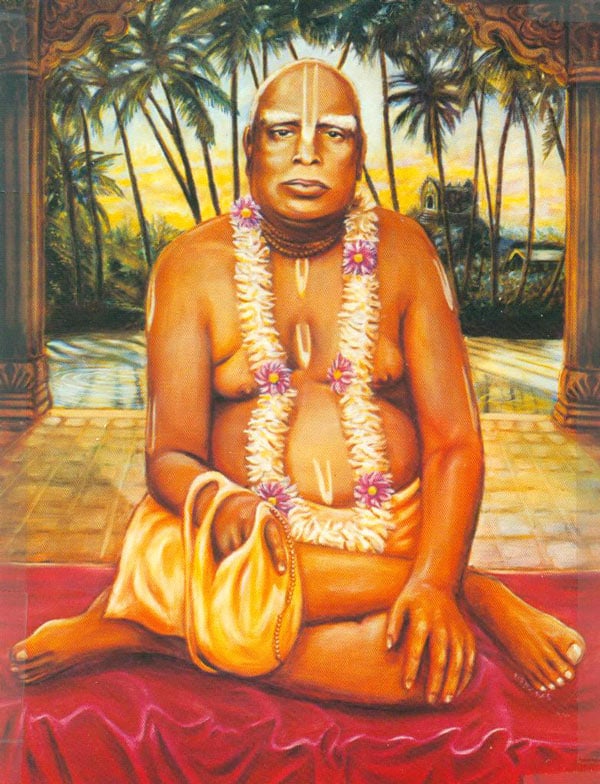
Śrī Ekacakrā-dhāma, long cherished in Bengal as the sacred land of Lord Nityānanda, is now accessible in a new way through a digital initiative curated by the Mayapur Master Plan Office. Grounded in the timeless guidance of Śrīla Prabhupāda“If you are actually serious about going back to home, back to Godhead, then please seek after the mercy of Nityānanda.”this project presents a carefully structured, research-informed exploration of the holy places associated with Nityānanda Prabhu, designed for seekers, students, and heritage enthusiasts worldwide.
As a cornerstone of the Gaudiya Vaiṣṇava sacred geography, Śrī Ekacakrā-dhāma has inspired generations of pilgrims through narratives of compassion, kīrtana, and service. The digital presentation situates these holy sites within their devotional, historical, and cultural contexts, offering a clear pathway to understand how place, practice, and memory converge in living traditions.
Anchored in principles of cultural heritage documentation and Digital Transformation, the initiative provides structured access to the dhāma through curated overviews, site descriptions, and visual materials. This format supports educators, families, and community groups by organizing complex information into an approachable experience that mirrors the orientation of a traditional tirtha-yatra while remaining accessible anywhere.
In an era when heritage conservation and public scholarship increasingly intersect, the project advances both goals: it preserves knowledge of sacred sites while widening participation in Hindu pilgrimage narratives. The focus on Śrī Ekacakrā-dhāma also enriches broader studies of Indian sacred landscapes, connecting local histories with pan-Indian devotional movements and the global ISKCON community’s educational mission.
Importantly, the spirit of the initiative affirms unity across dharmic traditions. While centered on the legacy of Lord Nityānanda, its themesdevotion, compassion, discipline, and ethical livingresonate with shared values in Hinduism, Buddhism, Jainism, and Sikhism. By inviting respectful engagement with sacred places, the project strengthens unity in spiritual diversity and fosters dialogue rooted in empathy and scholarship.
Whether preparing for an in-person yatra or seeking a contemplative, at-home study of sacred geography, participants can approach Śrī Ekacakrā-dhāma with informed reverence. The digital pathway does not replace embodied pilgrimage; rather, it enhances understanding, deepens intention, and encourages responsible, culturally sensitive engagement with living traditions.
Inspired by this post on Dandavats.