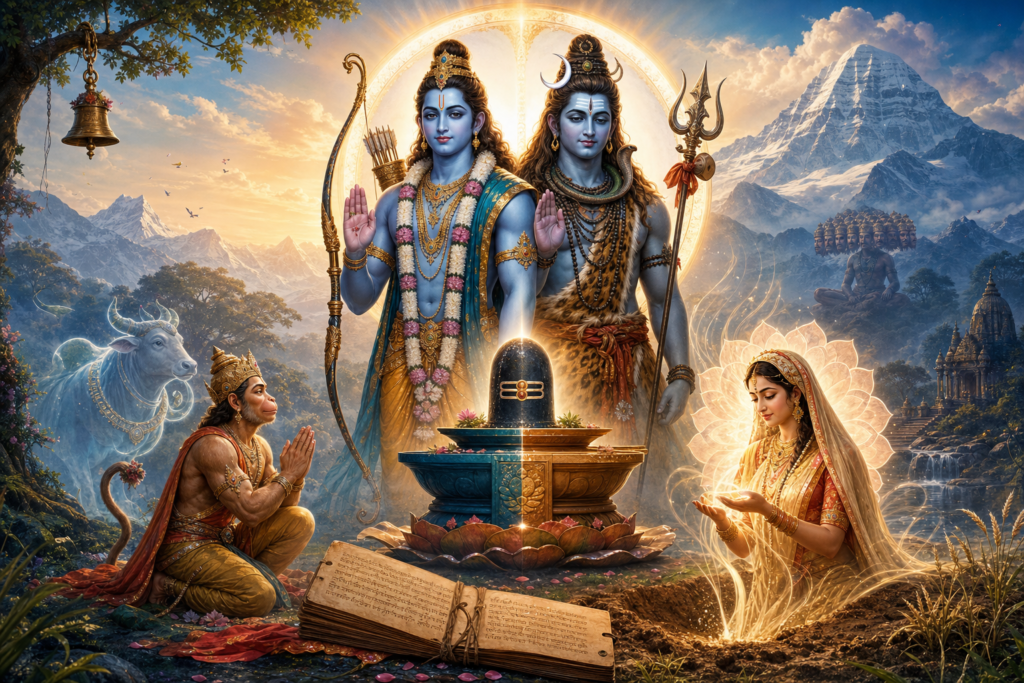
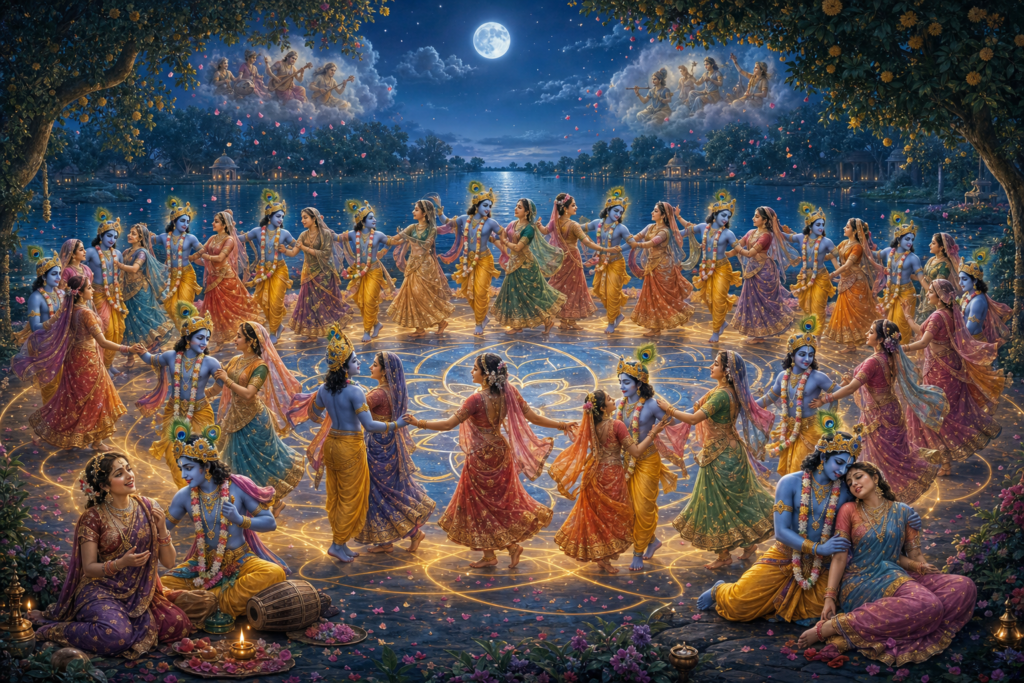
Falgun Purnimaalso known as Phalgun Poornima, Phalguna Pournami, or Holika Purnimamarks the Full Moon of the Phalguna month in the Hindu lunar calendar. In 2026, Falgun Poornima falls on March 3. The day is traditionally dedicated to Lord Krishna and Goddess Lakshmi, even as the broader Phalguna month also venerates Lord Shiva and Goddess Parvati, with Maha Shivaratri typically occurring in the same lunar cycle. The festival embodies auspiciousness, gratitude, and renewal at the threshold of spring.
Falgun Purnima is closely linked with Holika Dahan, the sacred bonfire observed in the evening after sunset during the Purnima tithi, symbolizing the triumph of dharma over adharma through the narrative of Prahlada and Holika. The following day is celebrated as Holi (Rangotsav); in 2026, this is on March 4. Together, Holika Purnima and Holi reflect seasonal change, social harmony, and devotional joy grounded in Vedic and Puranic traditions.
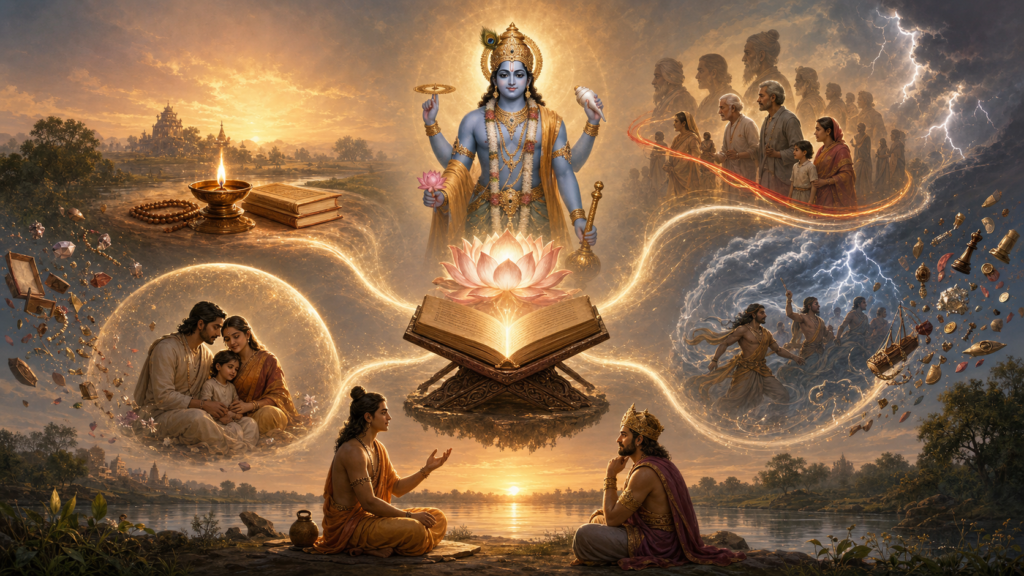
Common observances on Phalgun Poornima include a pre-dawn snana (ritual bath), vrata (fasting or a sattvic dietary observance), and puja at home or in temples. Many households perform Krishna Puja and Lakshmi Puja for divine grace, prosperity, and inner abundance. The day is also considered highly favorable for Satyanarayana Puja, parayana of Vishnu Sahasranama or Srimad-Bhagavatam, and daan (charitable giving) of grains, clothing, or essentials as an expression of compassion and community care.
Holika Dahan rites generally include circumambulation (parikrama) of the bonfire, prayers for well-being, and symbolic offerings such as new grains. Devotees reflect on letting go of negative tendenciesanger, envy, and resentmentso that inner clarity may arise. Communities increasingly emphasize eco-conscious practice by using natural materials for the bonfire and avoiding harmful substances, aligning sacred tradition with environmental responsibility.
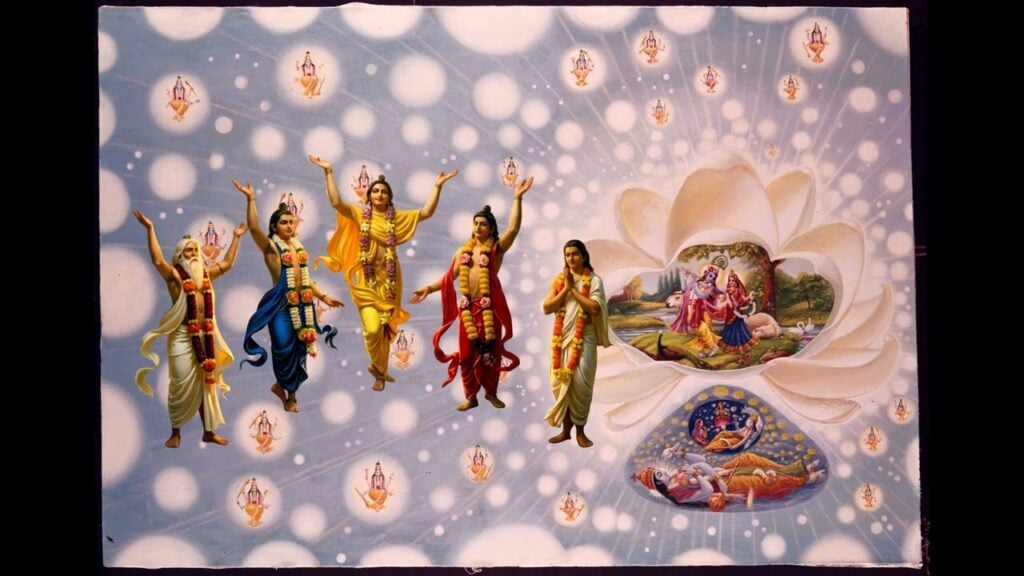
Regional and sampradaya traditions enrich the day’s spiritual texture. In many Vaishnava lineages, the Phalguna Full Moon is observed with special kirtans and meditations on Krishna-bhakti; Gaudiya Vaishnava communities often focus on Gaura Purnima around this Full Moon, commemorating Sri Chaitanya Mahaprabhu’s compassion-filled teachings. Across India, the festival’s names and practices vary, yet the shared essence is devotion, moral courage, and communal bonds.
In the broader dharmic family, related observances deepen a spirit of unity. Sikh communities mark Hola Mohalla around the same period, celebrating valor, discipline, and seva; many Jain households observe Purnima with daan and introspection on aparigraha; and Buddhist practitioners frequently dedicate Full Moon nights to meditation and metta (loving-kindness). These parallel traditions underscore a common ethos of compassion, restraint, and harmonyvalues that strengthen social cohesion across Hinduism, Buddhism, Jainism, and Sikhism.
For planning, it is important to note that the Purnima tithi may span two consecutive Gregorian dates depending on location. Devotees generally perform daytime pujas during the Purnima tithi and observe Holika Dahan after sunset within the locally computed muhurta as per a trusted panchang. Families often gather for collective worship, community service, and inclusive celebrations that honor both sacred discipline and joyful togetherness.
Spiritually, Falgun Purnima invites renewal of faith, gratitude for sustenance, and a conscious turn toward satya (truth) and dharma (righteous living). By venerating Lord Krishna and Goddess Lakshmi, reflecting on the courage of Prahlada, and embracing community with kindness and restraint, devotees align with the festival’s promise: to purify the heart, welcome prosperity, and foster unity across diverse dharmic paths.
Inspired by this post on Hindu Pad.