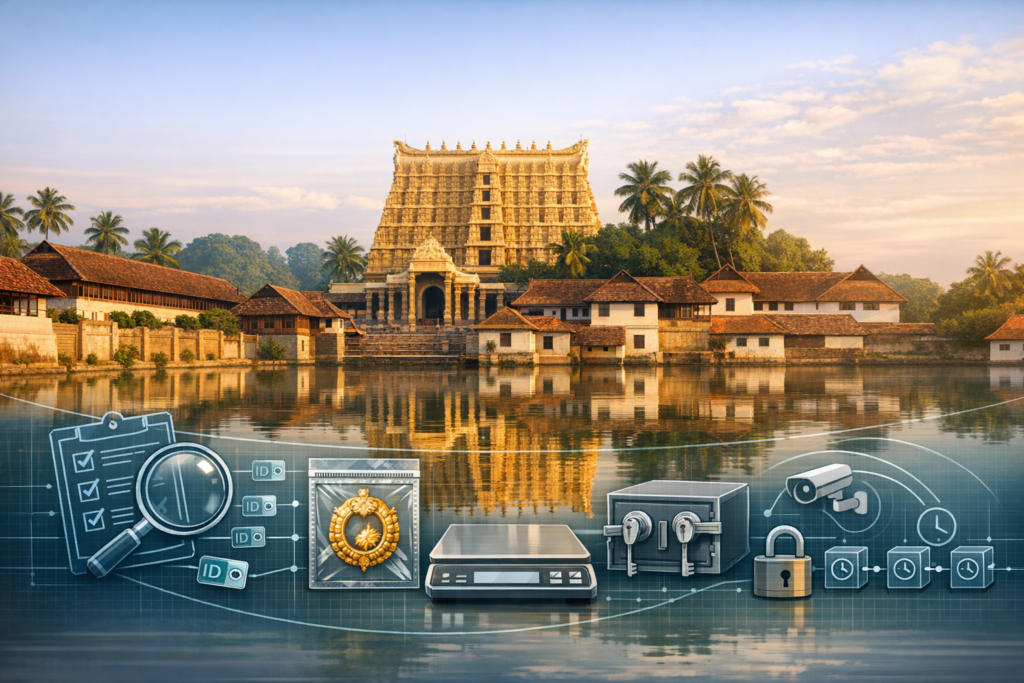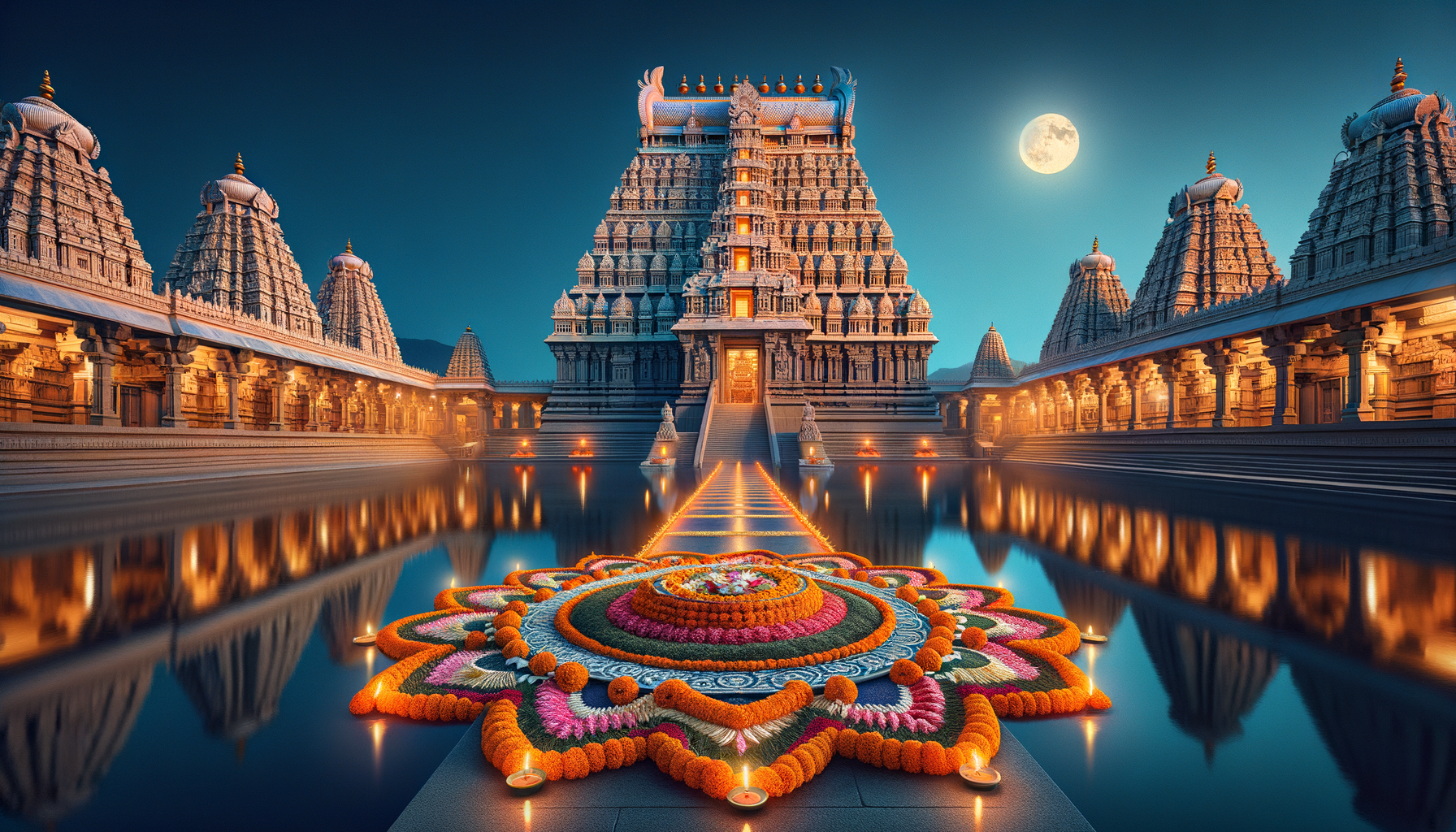
Sri Govindaraja Swamy Temple in Tirupati stands as one of the foremost Vaishnava shrines in Andhra Pradesh, renowned for its towering gopuram visible from afar and its deep historical roots. Consecrated by Śrī Ramanujacharya in 1130 CE, the temple continues to anchor devotional life in the temple city with a carefully observed festival calendar. The February 2026 period—aligned with the traditional Magha Masam and, depending on lunar alignment, the onset of Phalguna—offers devotees a tranquil yet profound rhythm of worship and celebration.
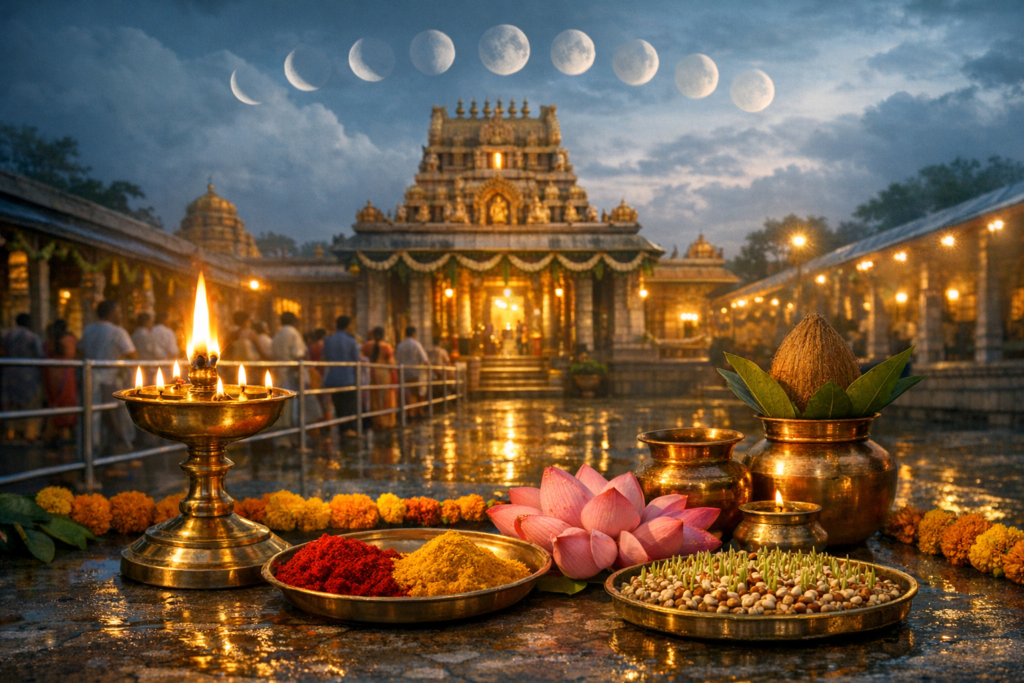
The festival observances at Sri Govindarajaswamy Temple in February 2026 will follow the lunar tithis recognized by Tirumala Tirupati Devasthanams (TTD). While precise dates are determined by the Panchang, this month typically features Ekadashi and Dwadashi vratas central to Vaishnava practice, Pournami special alankarams, and enhanced evening rituals marked by music and mantra. When Phalguna Pournami aligns in late February, the temple’s calendar often approaches Teppotsavams (Float Festival) season; if the alignment occurs in March, related observances may shift accordingly. In many years, Ratha Saptami falls in February across Tirupati’s sacred landscape; when so aligned, nearby shrines may also mark the day with heightened Surya-related worship consistent with TTD guidance.
Visitors commonly describe February in Tirupati as spiritually restorative: morning darshan at Sri Govindarajaswami Temple, the quiet cadence of Vedic chanting, and the contemplative atmosphere of Magha Masam create a reflective experience that complements the city’s larger pilgrimage ecosystem. The temple’s festival rhythm serves both residents and pilgrims by offering a predictable, well-structured pattern of seva, archana, and cultural expression. For those planning a temple-focused itinerary, the February 2026 temple festival calendar contributes to a serene circuit of darshan, learning, and heritage immersion.
These observances also reflect a broader civilizational ethos shared by the dharmic traditions of Hinduism, Buddhism, Jainism, and Sikhism—values of devotion, self-discipline, service, and compassion. The inclusive spirit visible in temple festivals fosters mutual respect and unity, offering a cultural bridge that honors diverse paths within the Indic heritage. Such harmony underscores the temple’s contemporary significance beyond ritual, encouraging thoughtful engagement with India’s living traditions.
As the TTD festival schedule is finalized according to the lunar calendar, devotees and heritage enthusiasts can benefit from consulting the confirmed Panchang-based timings for February 2026 when they become available. Planning in this manner respects the temple’s time-tested cadence of worship while ensuring accurate alignment with Ekadashi, Pournami, and other significant tithis. This careful approach supports meaningful participation in Sri Govindaraja Swamy Temple festivals, safeguards cultural continuity, and enhances the pilgrimage experience in Tirupati.
Inspired by this post on Hindu Pad.