Makar Sankranti (also known as Makar Sankranthi) marks the Sun’s transit into Makara Rashi (Capricorn), signifying the beginning of Uttarayana Punyakalamthe auspicious northward journey of the Sun. Aligned with the Vedic solar calendar, this transition is regarded as a turning point of light and renewal, celebrated across India as a harvest festival and as a spiritual milestone of gratitude to Surya (the Sun).
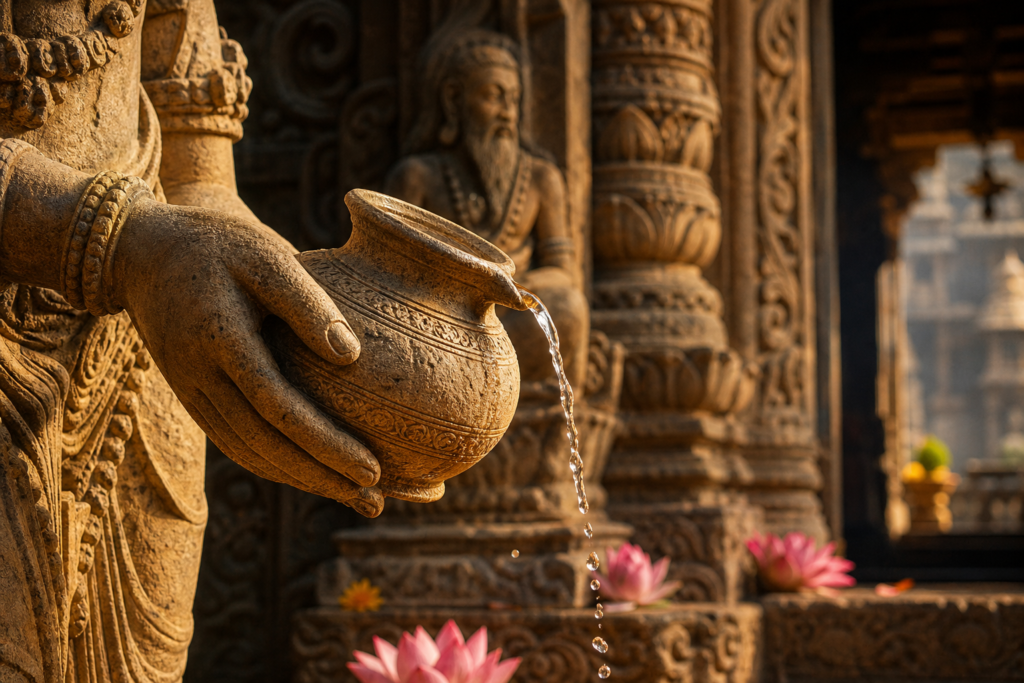
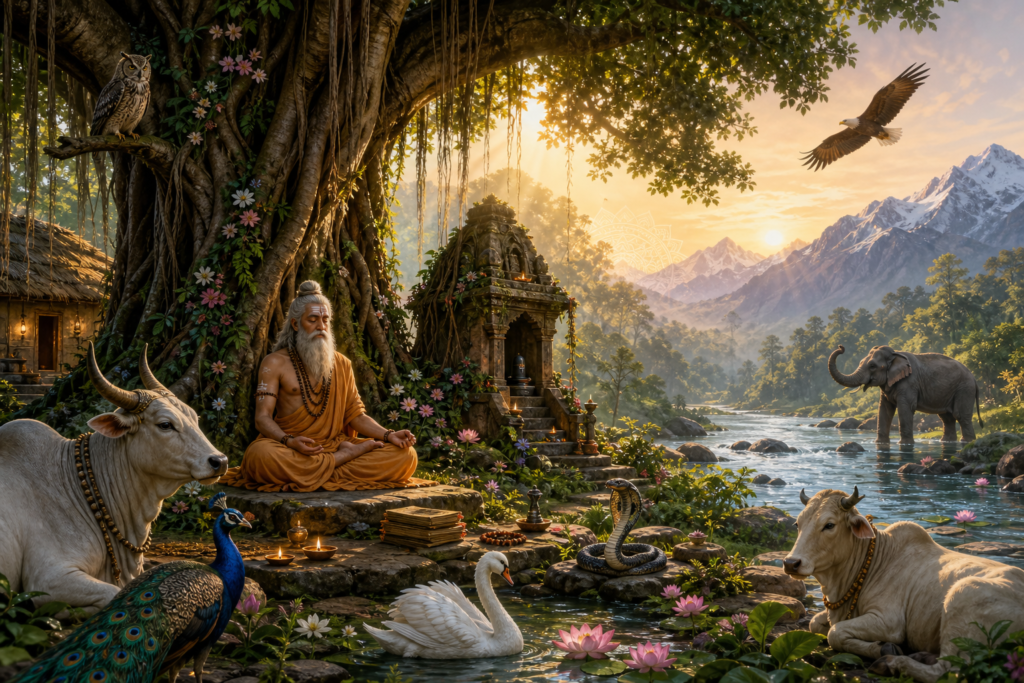
The most widely observed rite of the day is Makara Sankramana Snan, a sacred pre-dawn bath traditionally performed in rivers, temple tanks, or at home with mantras. This practice is associated with inner purification, fresh intention-setting for the new solar cycle, and acts of dana (charity). Offerings of til (sesame) and jaggery, lighting of lamps, and Surya arghya (water oblation to the Sun) reinforce the festival’s ethos of simplicity, compassion, and spiritual clarity.
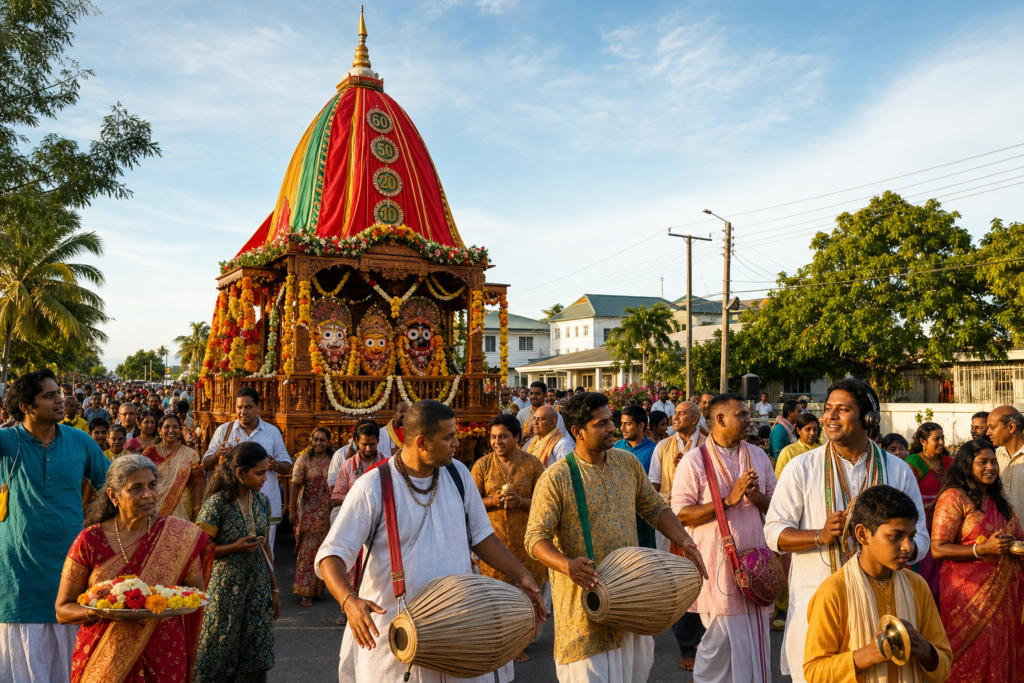
Across regions, the festival is celebrated with diverse names and customs while retaining the same core meaning. In Tamil Nadu, it is observed as Pongal over three days, honoring the harvest, cattle, and community bonds through shared meals and gratitude rituals. In Andhra Pradesh and Telangana, households often kindle Bhogi Mantalu sacred bonfires and gather for neighborhood celebrations, emphasizing renewal and social warmth. Similar local observances across Indiawhether through community feasts, temple visits, or kite-flying in some regionsexpress a common joy in the Sun’s transit and the season’s first fruits.
Uttarayana Punyakalam is considered a spiritually meritorious window. Many families time their snan, japa, and Surya worship to the precise Sankranti moment as indicated by the local Panchang. Charity to those in need, sharing of til-based foods, and respectful visits to temples or sacred sites are encouraged as pathways to cultivate inner light, equanimity, and community well-being.
Beyond ritual, Makar Sankranti functions as a cultural bridge that strengthens social ties and ecological awareness. Gratitude to the land, mindful consumption, and communal cooking reflect an ethic of stewardship and interdependence. Families and communities often use the day to reconcile differences, exchange blessings, and renew commitments to seva, aligning seasonal abundance with ethical action.
In spirit and practice, the festival resonates across the dharmic traditions of Hinduism, Buddhism, Jainism, and Sikhism, each affirming values of gratitude, charity, and unity. While specific rites may differ, the shared reverence for the Sun, the harvest, and the dignity of all beings underscores a larger civilizational vision: many paths, one light. Makar Sankranti thus stands as both an astronomical markerthe Sun’s entry into Makara Rashiand a living cultural testament to unity in diversity.
Inspired by this post on Hindu Pad.