Shakambari Purnima, also known as Shakambari Jayanti, falls on the full moon (Purnima) of the Paush month (December–January). In 2026, Shakambari Purnima is on January 3. This Hindu festival venerates Goddess Shakambari—revered as the embodiment of nourishment—whose grace is associated with abundance, seasonal harmony, and the ethical sharing of food.
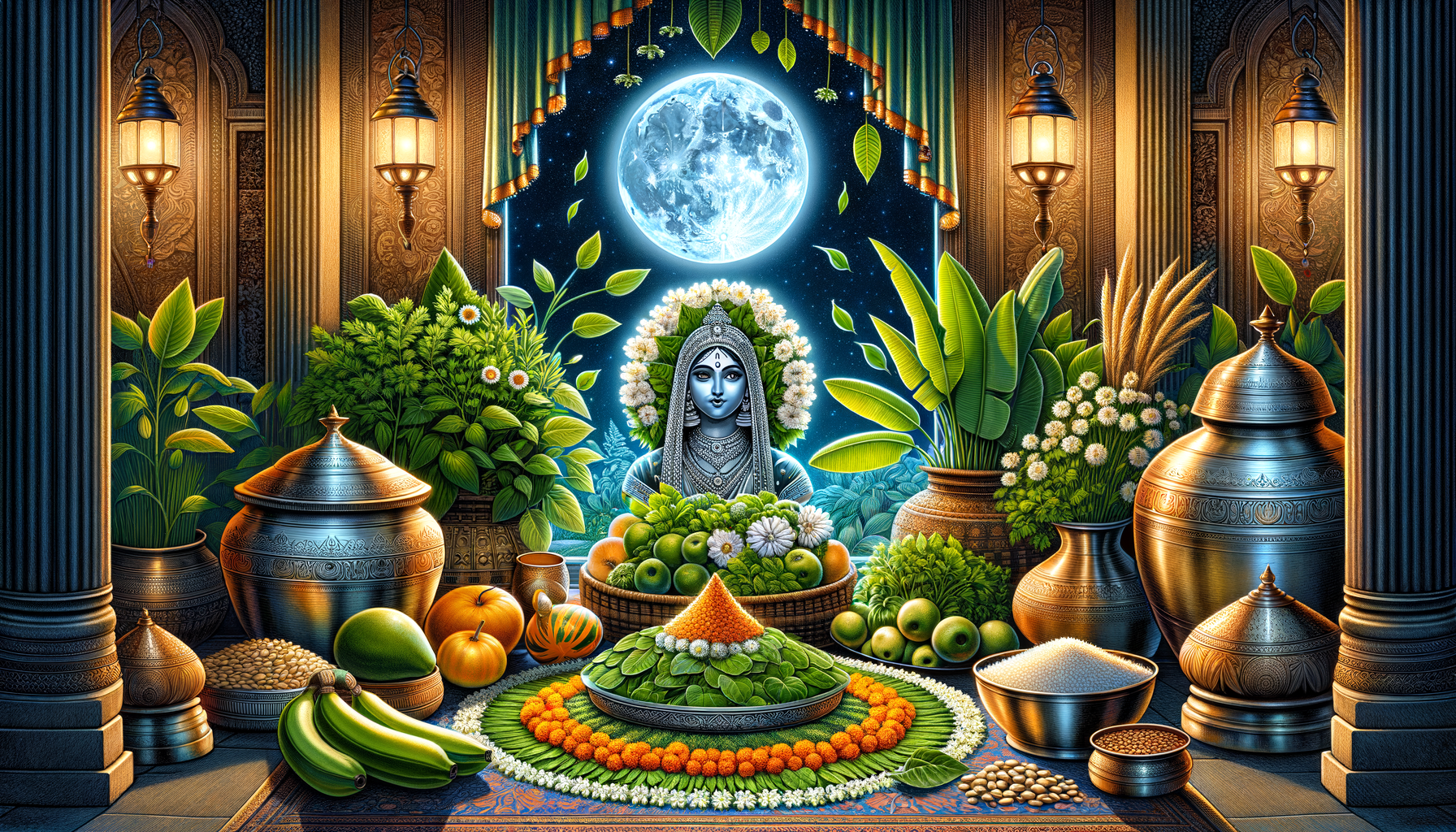
In Shakta traditions, Shakambari is celebrated as the “vegetable-bearing” manifestation of Devi Shakti, symbolizing the earth’s bounty in the form of greens, fruits, grains, and herbs. The observance emphasizes ecological reverence, food ethics, and gratitude for sustenance, aligning devotion with practical concerns such as food security and environmental stewardship.
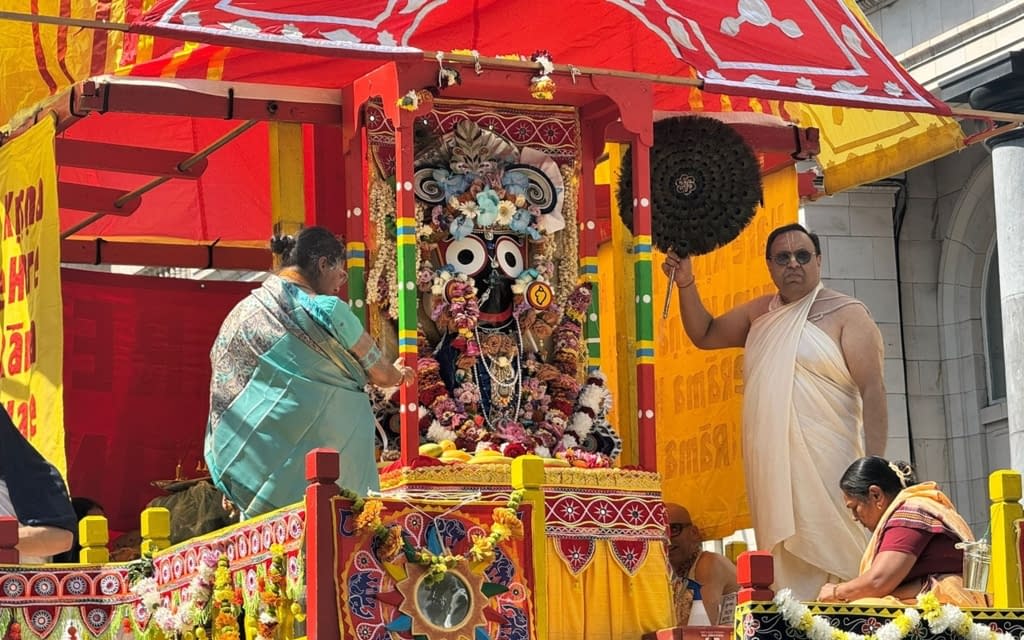
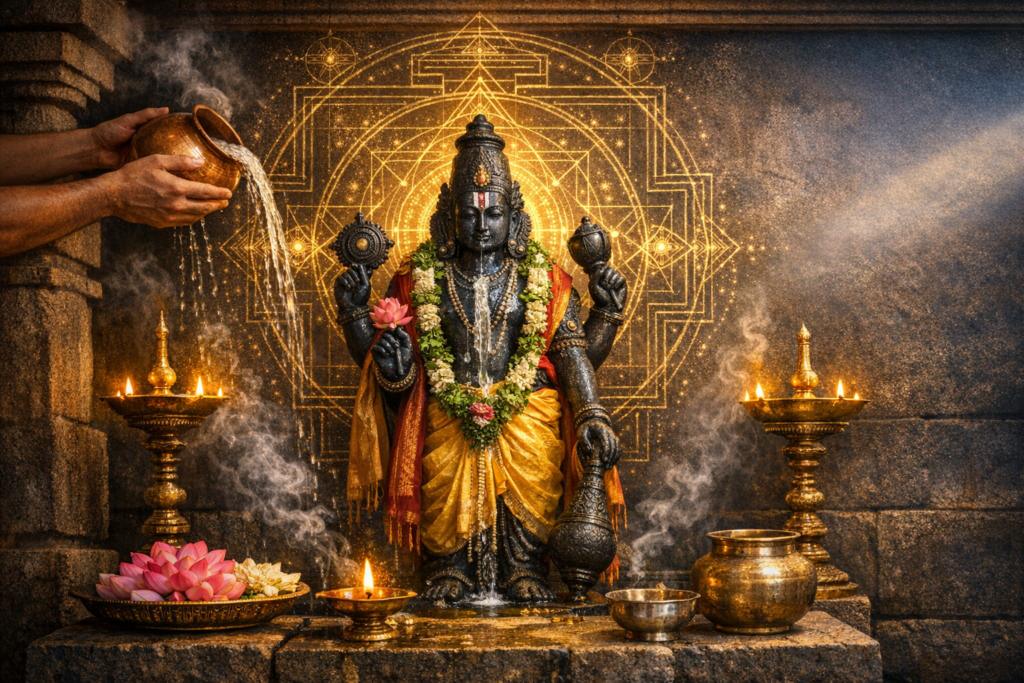
The day holds particular prominence in South India, especially in Karnataka, parts of Maharashtra, Telangana, and Andhra Pradesh. Temples and households mark Shakambari Jayanti with special puja, floral and leafy mandalas, and offerings of seasonal produce and water to Shakambari Devi. In many places, community kitchens and anna-dana reinforce the festival’s social dimension, ensuring that devotion translates into compassionate action.
It is widely believed that Goddess Shakambari incarnated on Paush Purnima to alleviate drought and famine by manifesting as nourishment itself. This narrative, cherished in regional traditions, underlines a timeless ethic: when compassion becomes tangible, scarcity yields to sharing, and ritual becomes a conduit for collective well-being.
Shakambari Purnima also marks the conclusion of Shakambari Navaratri (often called Paush or Posh Navratri) in numerous communities, bringing to a close a period of focused worship and self-discipline. The culminating full moon creates an auspicious moment for sankalpa, stotra recitation, meditation, and charitable giving—practices that integrate devotion with everyday responsibility.
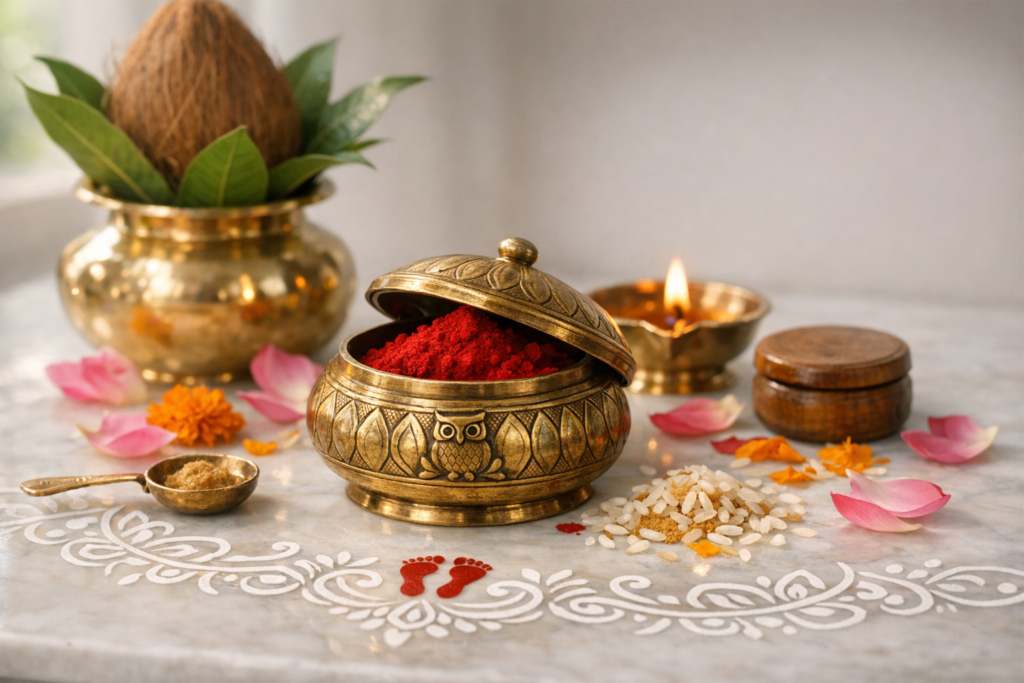
Household observances typically include a sattvic, vegetarian puja thali with greens, gourds, grains, fruits, and clean water offered to the deity, followed by distribution as prasada. Many devotees observe a simple vrat that ends after moonrise, read Shakti stotras, and participate in community seva. These customs not only preserve cultural memory but also cultivate mindful consumption and respect for seasonal cycles.
Across dharmic traditions, the festival’s core values resonate: ahimsa and dana in Hindu and Jain practice, karuna in Buddhist ethics, and seva and langar in Sikh tradition. By celebrating the shared moral ground of nourishing others and honoring the sources of food, Shakambari Purnima becomes a living expression of unity in diversity within the broader dharmic family.
For many communities, the luminous Paush Purnima sky, the fragrance of fresh leaves and flowers, the rhythm of bhajans, and the quiet joy of sharing a meal together evoke both intimacy and continuity. Shakambari Purnima thus offers a contemplative pause in mid-winter—a reminder that spiritual insight is inseparable from everyday acts of care, ecology, and collective sustenance.
Inspired by this post on Hindu Blog.