In September 1965, a journey to Ananda Ashramabout ninety minutes from New York Cityoffered a brief retreat from urban intensity and a quiet immersion in Yoga philosophy. The visit was motivated less by formal study and more by a need for space, stillness, and perspective beyond the city’s rhythm.
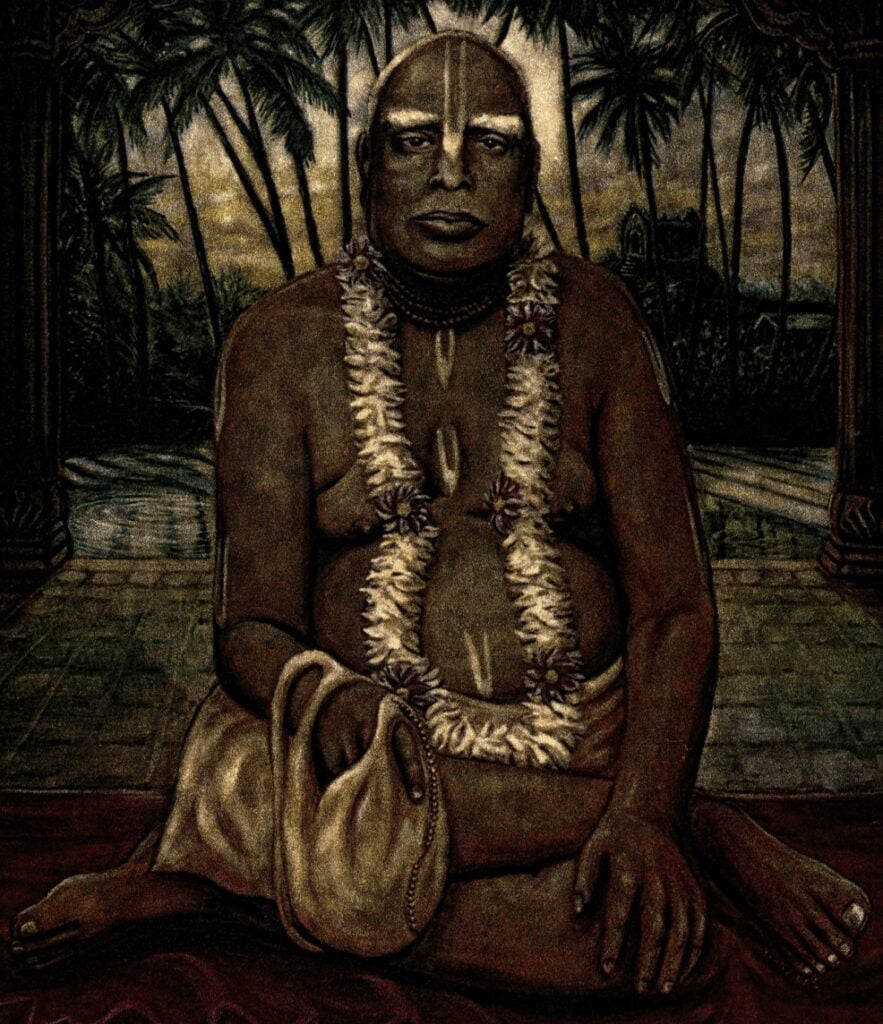
There had been prior contact with the Indian guru who presided at the ashram, first encountered at a Yoga Society in New York. Friends, enthusiastic students of Raja Yoga, regularly encouraged participation in their uptown gatherings. The program at the ashram included a lecture by the guru and a reading from a book by a young woman, setting a contemplative tone for practice.
The subsequent meditation centered on single-pointed focusconcentrating on a circle drawn on the wall, a classical exercise aligned with Raja Yoga. The visual field, however, did not remain stable: the circle appeared to expand and contract, alter its shape, and gradually fill with unfamiliar forms. Sustained concentration proved elusive as perception shifted and attention dispersed.
Awareness then moved to the room itself. Many faces remained intent and composed, fully engaged with the focal-point technique. A glance through lacy curtains revealed a green, misty lake, a scene that conveyed a quiet grace. Even without a strong personal affinity for Raja Yoga at that moment, the countryside’s beauty provided calm, renewal, and a sense of relief from New York City’s pace.
As a reflective moment within a wider spiritual journey, the experience illustrates how contemplative practices can affect individuals differently. Across dharmic traditionsHinduism, Buddhism, Jainism, and Sikhismmethods for cultivating awareness vary, yet converge on nurturing attentiveness, compassion, and inner steadiness. The encounter affirmed an inclusive ethos: multiple paths and techniques may coexist without the need to impose a singular way.
Viewed in retrospect, this brief ashram visit situates Raja Yoga meditation within a lived context, where environment, readiness, and method interact. It offers a measured reminder that spiritual exploration benefits from patience, openness, and respect for diversityunity in spiritual diversityallowing each seeker to find steadiness in a manner aligned with individual nature and circumstance.
Inspired by this post on Dandavats.