Reflections on out-of-the-box celebrations of a Hindu festival
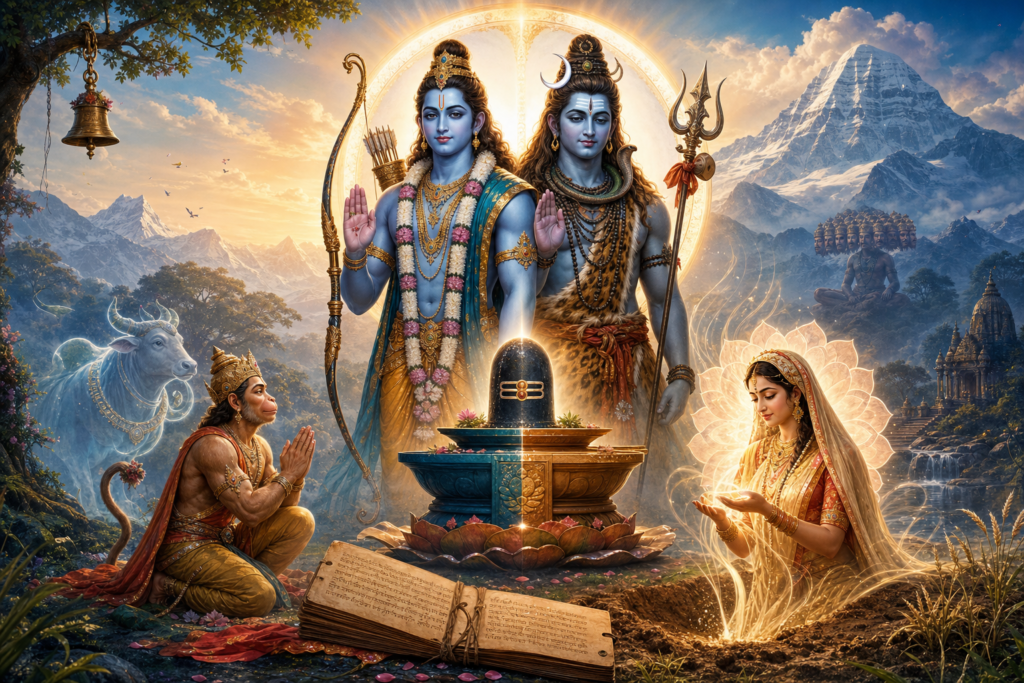
Margazhi (Mārgaśīrṣa/Margashirsha) arrives each December–January, a season the global calendar associates with Christmas and New Year, yet one that the Hindu calendar exalts for inner quiet, restraint, and beauty. The Bhagavad Gita situates its eminence succinctly: “māsānāṁ mārgaśīrṣo 'ham ṛtūnāṁ kusumākaraḥ” – Chapter 10, Verse 35, Bhagwad Geeta. Within this frame, Margazhi emerges as a time when devotion turns inward, artistry blossoms, and nature becomes a living temple.
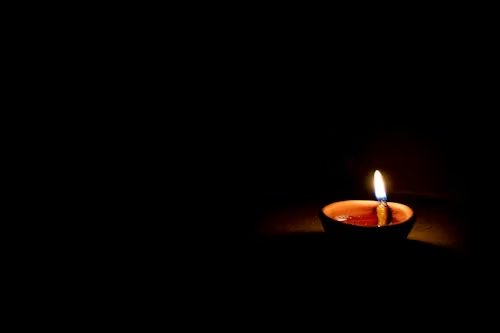
What makes Margazhi distinctive is its synthesis of austerity and aesthetic joy. Longer nights and shorter days gently confine daily life indoors after months of communal celebration from Ganesh Chaturthi through Deepavali. Shaiva and Vaishnava communities emphasize sadhana over spectacle, from lighting a diya at dusk to pre-dawn chanting and meditation. In Tamil Nadu, Tiruppavai and the devotion of Andal animate dawn streets; Vaikunth Ekadasi, Arudra Darshanam, and Pongal punctuate the season with profound symbolism. Parallel values of silence, self-discipline, and service likewise resonate across Buddhism, Jainism, and Sikhism, underscoring the shared dharmic emphasis on introspection and ethical living.
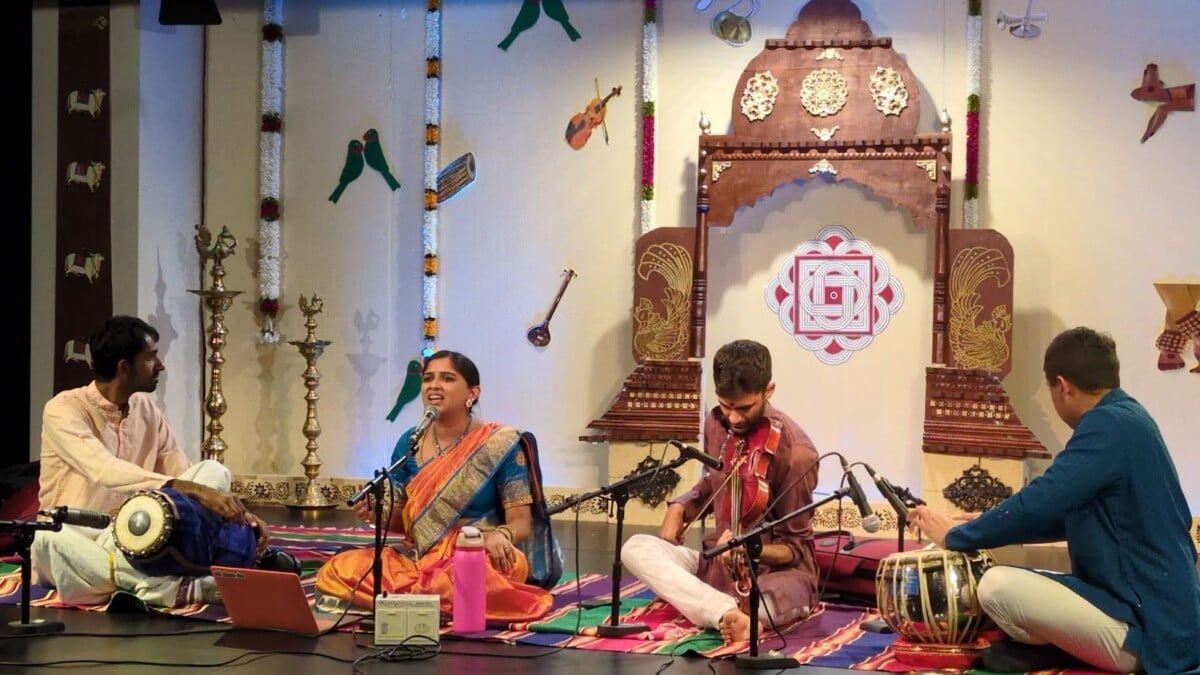
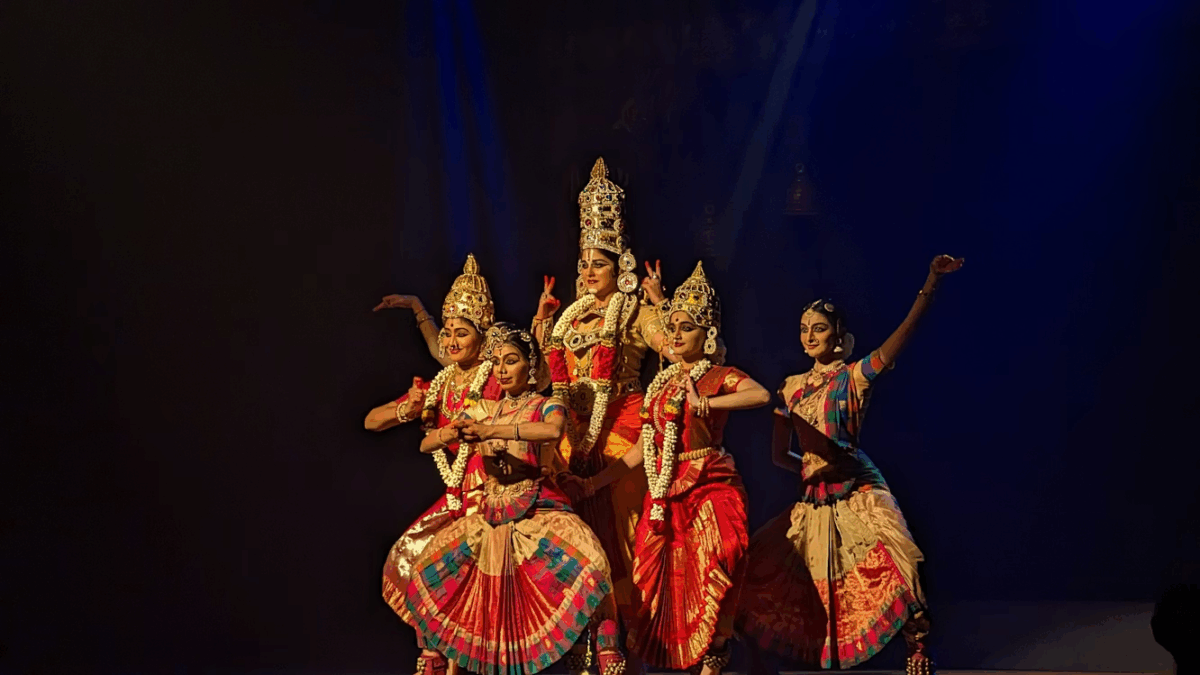
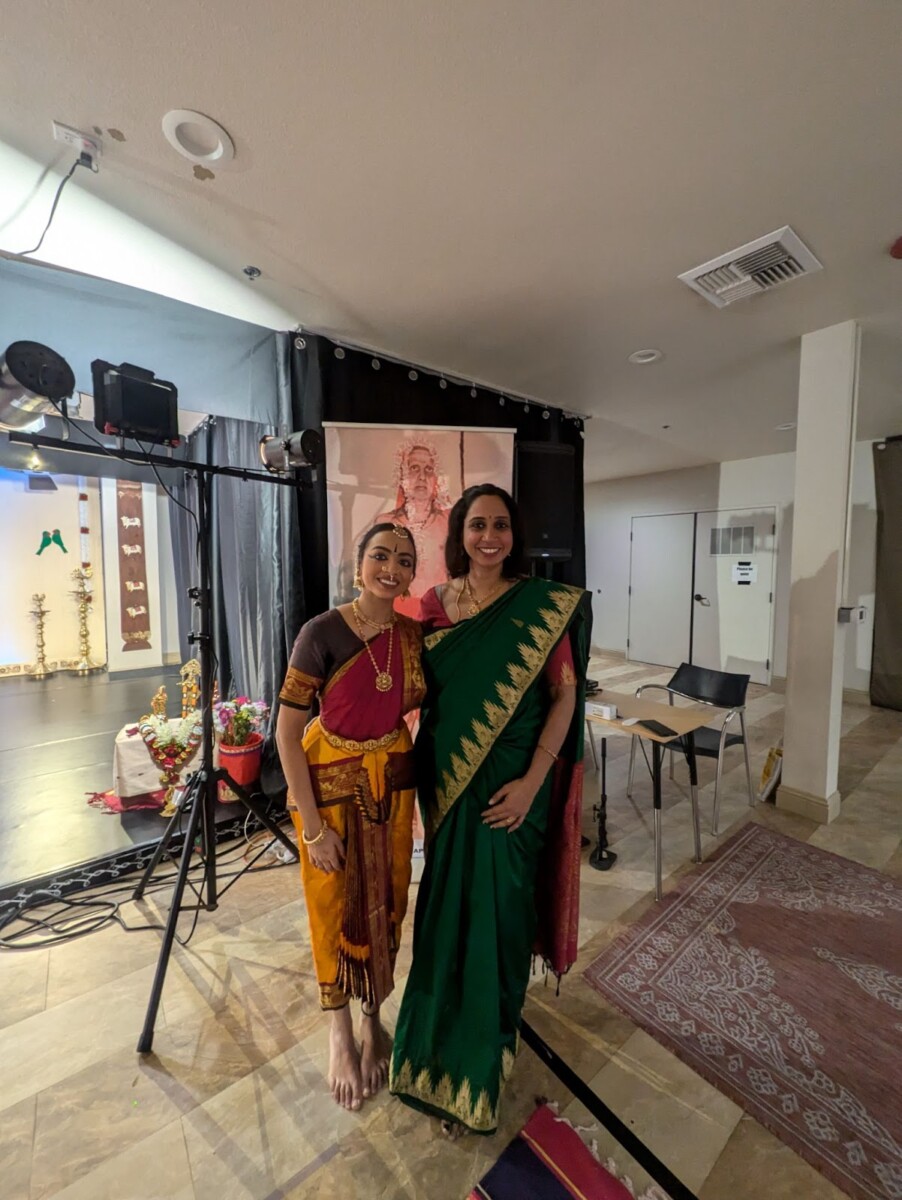
Margazhi is also a time for celebrating the arts. Kolamsephemeral geometries at thresholdsannounce the day’s grace, while classical music and dance reclaim winter’s quiet. The Chennai Music Season and festivals in cultural centers like Chidambaram elevate both established maestros and emerging voices. Across the diaspora, American cities increasingly host Marghazi music and dance events; Sacramento, for instance, has seen Bharatanatyam and Carnatic performances become community touchstones. Many in the global Hindu community describe Margazhi as a yearly “rebirth” of the artist withinan awakening that fuses discipline and delight.
Amid festivals and community-facing work, the season also invites reckoning and renewal. December naturally inspires questions: What changed? What mattered? Many practitioners find that retreating into naturewhether for a weekend hike or a longer journeycan replenish bhakti, deepen faith, and clarify purpose. The emerging insight is simple and liberating: one can practice dharma anywhere, anytime, in any form; the intent to connect with the Divine is the true altar.
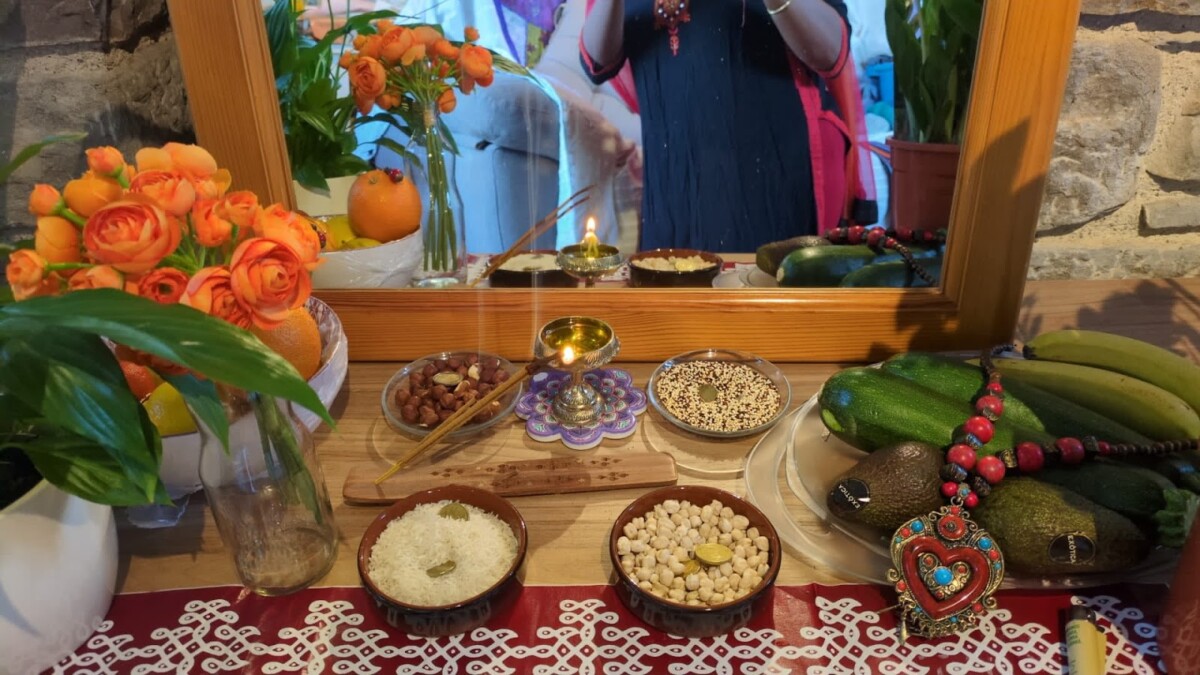
Consider a spring journey during Vishu, the Malayalam New Year (April 14–15). On a solo trip across the Pyrenees along the Spain–France border, a traveler carried a small brass lamp, incense, a Kerala mundu sari, and modest jewelry to set a minimalist Vishu kani. The context was unfamiliar, yet the intention proved sufficient. In the evening, hosts and neighbors gathered for “Hindu comida”an all-vegetarian spread of aloo parathas, chole, sautéed vegetables, vegetable fried rice, rasam, and raita. Conversation flowed across faiths and culturesChristian and Hindu, Spanish and Indian Americanconverging on shared practices such as yoga and meditation. The sari, simple yet radiant against snow-lined horizons, became a bridge of belonging. The lesson was enduring: to honor the Divine within everyone and everywhere, transcending distinction without erasing difference.
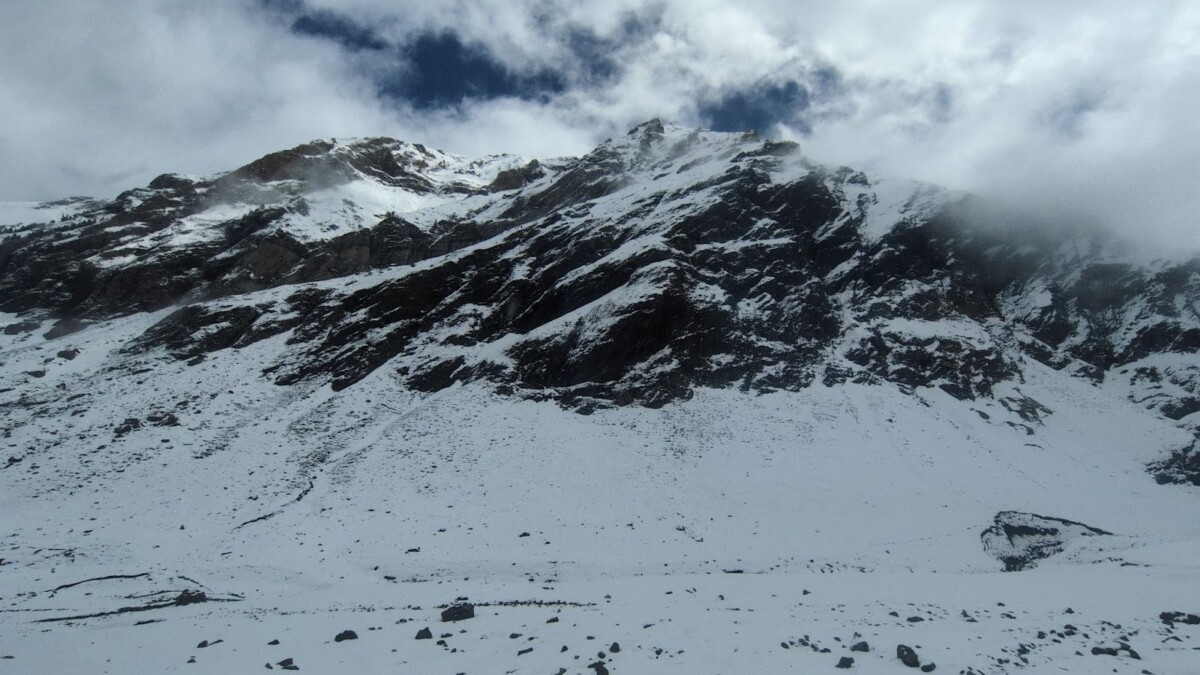
Nature-centered practice during Vishu further revealed Margazhi-like insights. Snow peaks evoked Shiva’s Himalayas and an ethic of ecological reverence integral to Vishu’s message. While canyoning, the force of a river coursing through stone recalled Ma Ganga. Descending a deep canyon tested fear, inviting recitation of the Maha Mrityunjaya Mantra and contemplation of impermanencethemes that Hindu philosophy treats with clarity and compassion. Such moments underscore a perennial truth: in the stark vastness of nature, humility, devotion, and presence become one.
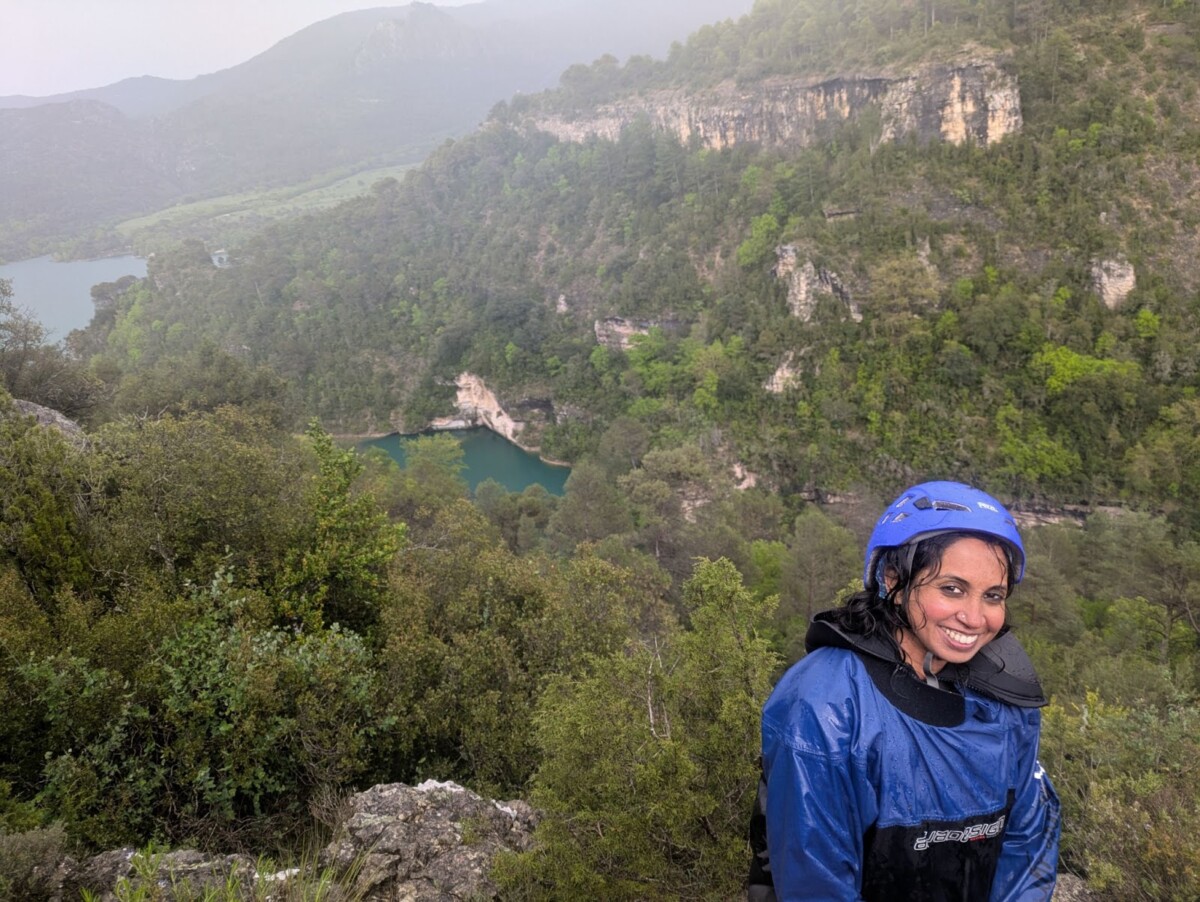
These experiences affirm a resilient insight about dharmic life: religious depth is not contingent on architecture, geography, or elaborate ritual. Across centuries and despite historical upheavals, practitioners have continued to discover sanctity in the living worldin trees and animals, in stones and rivers, in canyons and peaks. Rishis meditated in forests and mountains; Jain, Buddhist, and Sikh traditions similarly honor solitude, service, and the moral imagination. The unity among dharmic paths lies in their shared capacity to transmute everyday life into a field of practice.
For those traveling on Hindu holy days, the guidance is practical. Step outside, observe the sky, trace a stream, or light a small lamp at dusk. The Ishta Devata often appears through these simple gestures of attention, wherever one is. Seen in this light, it becomes clear why the holiest month aligns with the year’s darkest stretch: Margazhi invites a slowing down that brings the natural world and the inner self into conversation.
In this conversation, Margazhi becomes the original “magical time of the year”not because it denies the outer world, but because it illumines it. The month harmonizes restraint and celebration, discipline and beauty, solitary practice and shared artistry. It is a dharmic season for all who cherish reflection, unity, and the continual rebirth of devotion.
Inspired by this post on Hindu America.