Andal, also known as Goda, stands as the singular female voice among the twelve AzhwarsTamil poet-saints devoted to Lord Vishnuwhose life and poetry crystallize the ideals of premabhakti (loving devotion) within the Tamil Bhakti movement. Born in the 8th century in Srivilliputhur, her devotional practice of adorning garlands intended for Vishnu upon herself before offering them has become a luminous symbol in Hindu traditions, inviting reflection on purity, intimacy, and the soul’s self-surrender to the Divine.
Traditional accounts describe how Periyalvar, Andal’s adoptive father and a renowned devotee, prepared floral malas daily for Vishnu. Andal, moved by an intimate longing for union with the Lord, would first wear these garlands, ensuring they carried the warmth of her devotion before adorning the deity. When this practice was discovered, it initially appeared to contravene ritual norms; yet, hagiographies recount that Vishnu revealed, through dream and temple sign, a preference for garlands that bore Andal’s touchthereby sacralizing her gesture as an authentic expression of bhakti.
In the theological vocabulary of Vaishnava traditions, Andal’s act encapsulates atma-nivedana (total self-offering). The garland becomes more than ornament (alankara); it becomes a vehicle of the devotee’s inner fragranceintention, surrender, and lovetransforming a ritual object into a relational bridge. The symbolism is clear: the Divine does not require material perfection; rather, the Divine delights in sincerity, where the devotee’s embodied love becomes the true offering.
Her poetryespecially the Thiruppāvai and the Nācciyār Tirumozhigives literary form to this theology. Andal’s verses articulate longing (viraha), covenantal love, and the ethical charge of devotion, weaving aesthetics and metaphysics into a unified vision of spiritual intimacy. In this light, the garland she wore first is not a transgression but an enactment of union, affirming that the devotee’s self, when offered wholeheartedly, is the highest alankara the Divine accepts.
The episode also reframes questions of ritual purity. Rather than diminishing sanctity, Andal’s touch intensifies it, demonstrating that bhakti can renew and elevate customary forms. The narrative thus teaches a layered ethic: external observances are meaningful, yet they reach fulfillment only when animated by inner authenticity. For many devotees, this truth resonates emotionally; the memory of preparing a gift for a belovedmeasured less by cost and more by carecaptures the emotive core of Andal’s gesture.
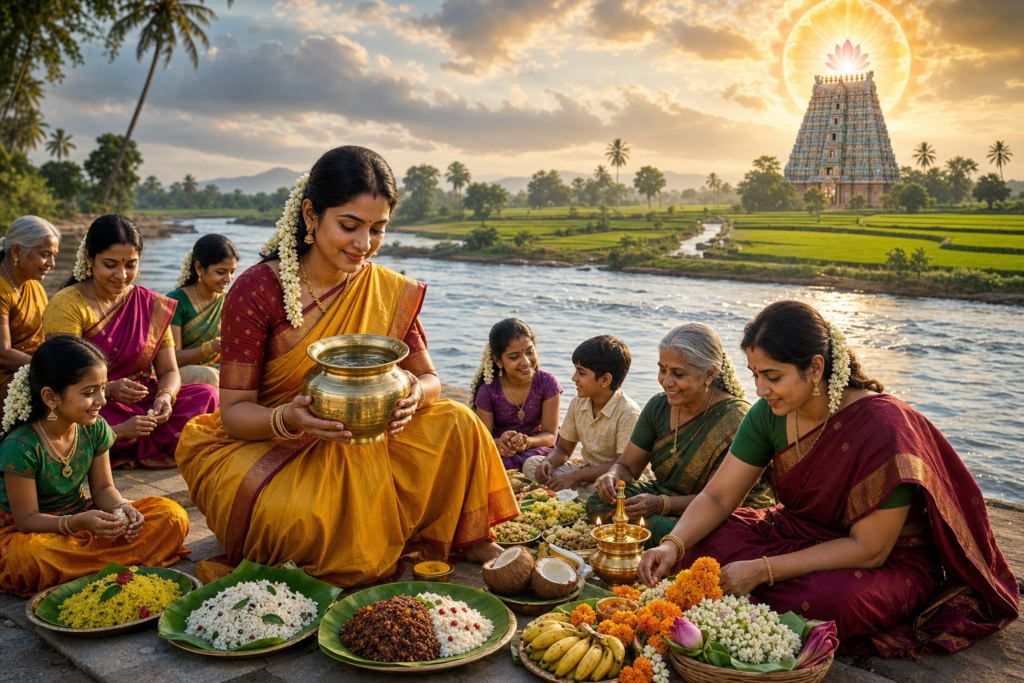
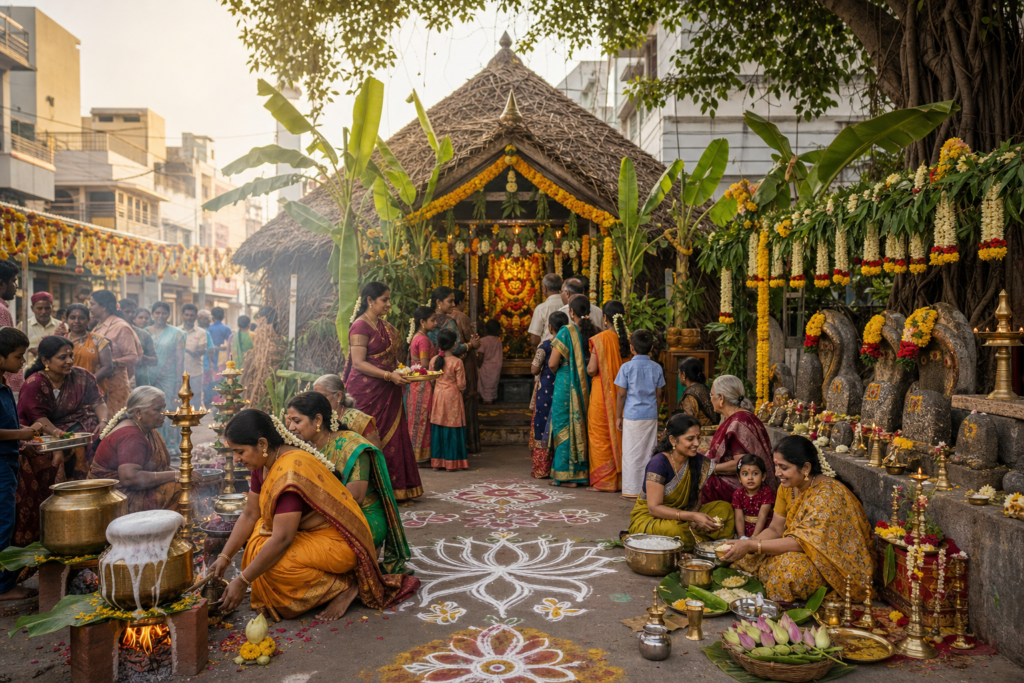
Srivilliputhur’s temple traditions preserve this legacy. The towering gopuraman emblem of cultural heritageanchors a living practice in which Andal is venerated as both devotee and divine consort of Vishnu (Ranganatha). During Margazhi, communities across India recite the Thiruppāvai, creating a shared rhythm of devotion that links Tamil literature, temple ritual, and collective memory.
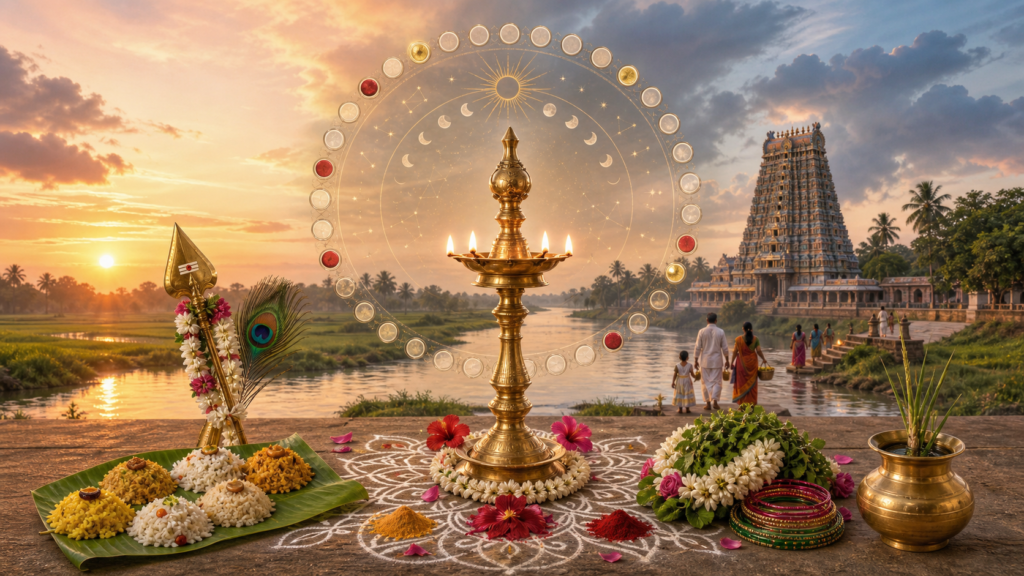
As a symbol within Hindu symbols and teachings, the garland embodies circularity: it encircles the deity just as devotion encircles the heart. Tulasi leaves, fragrant blooms, and mindful preparation align ecological sensitivity with spiritual purpose. Andal’s practice is thus a reminder that devotion can be both earth-conscious and transcendent, grounding lofty ideals in everyday acts of care.
This theme harmonizes with values cherished across dharmic traditions. Bhakti’s emphasis on intention echoes the Buddhist cultivation of bodhicitta (compassionate resolve), Jain reflections on inner purity guiding outward action, and Sikh prem (love) lived in remembrance (simran) and service (seva). Through Andal’s example, a unifying insight emerges: diverse paths within Hinduism, Buddhism, Jainism, and Sikhism honor the primacy of sincerity, compassion, and self-offering as bridges to the sacred.
In contemporary life, Andal’s symbolism invites practical reflection. Personal preparation before worship, ethical mindfulness in daily choices, and relational warmth toward community all become extensions of the garland’s meaning. The insight is academically clear and emotionally relatable: when intention and action align, devotion becomes experiential knowledge, not mere observance.
Andal’s distinctive role as the only female Azhwar also enriches discourse on voice and agency in religious history. Her poetry and practice affirm that feminine perspectives have long articulated theology, ritual meaning, and cultural renewal in South Asian spiritual history, thereby widening the canon of intellectual and devotional authority.
Ultimately, Andal’s wearing of Vishnu’s garlands first is remembered not as an exception to ritual but as an exemplar of bhakti’s essence. It reveals a theology of grace: the Divine embraces offerings touched by love, transforming simple flowers into sacred bonds. In Andal’s hands, a garland becomes a luminous metaphor for the soul’s journeycircling back, again and again, to the One it loves.
Inspired by this post on Hindu Blog.