
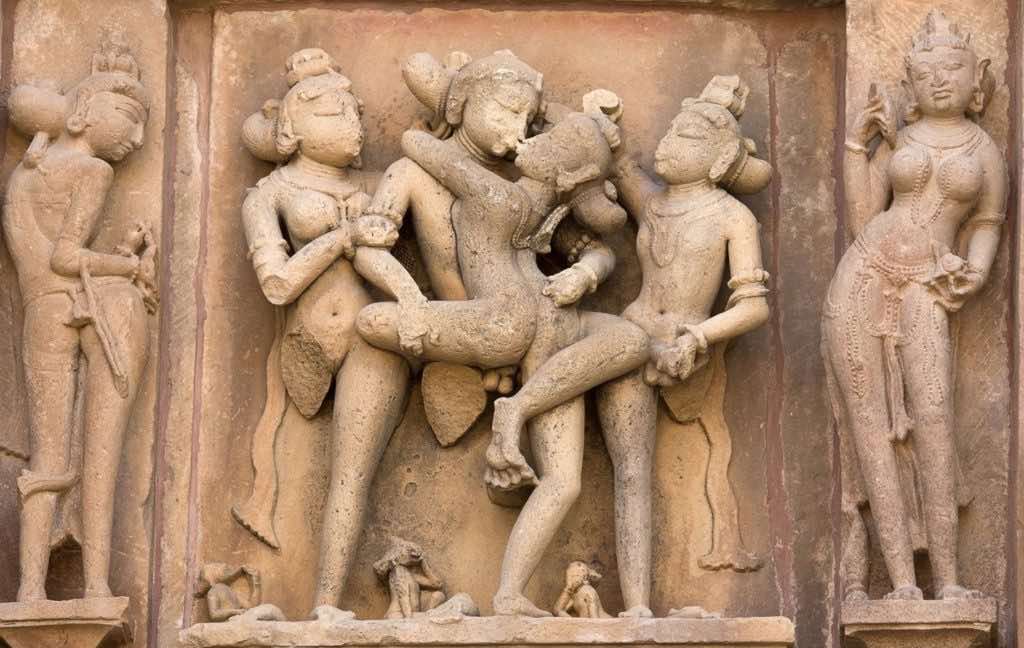
Tantra is often misunderstood when it is reduced to exotic imagery, ritual secrecy, or sexuality alone. A more careful reading presents it as a disciplined spiritual technology for studying experience at the point where sensation, desire, identity, attachment, and liberation meet. In its Sanskrit sense, tantra suggests weaving, extension, continuity, and an organized method of practice. Life itself can therefore be understood as a woven field of impressions: sights, sounds, smells, tastes, bodily sensations, memories, thoughts, relationships, hopes, fears, and habits continuously interlacing into what is called personal experience.
This perspective is deeply relevant to Dharmic traditions because Hinduism, Buddhism, Jainism, and Sikhism all recognize, in their own distinctive languages, that human life is precious, impermanent, ethically consequential, and capable of awakening. The shared concern is not the denial of life but the purification of one’s relationship to life. Desire, pleasure, discipline, devotion, knowledge, compassion, and self-mastery are not isolated themes; they form part of a larger inquiry into how consciousness becomes bound and how it may become free.
Life is a tapestry of fleeting moments. A sunset, a lightning storm, the expression of a child seeing a flower, the quiet struggle of an elder learning a new technology, the warmth of human companionship, the ache of longing, and the anxiety of loss all arise within the same field of awareness. Ordinary life is rich with wonder, yet the speed of routine often conceals it. People become absorbed in deadlines, status, grievance, comparison, and entertainment, while the immediate miracle of being alive becomes strangely invisible.
Tantric reflection begins by refusing to treat ordinary experience as spiritually irrelevant. The smell of a rose, the taste of food, the sound of rain, the pressure of a hand, the sight of a beloved face, and the stirring of emotion are not dismissed as distractions by default. They are examined as events in consciousness. The practical question is not simply whether an experience is pleasant or unpleasant. The deeper question is whether it produces bondage through clinging or becomes a doorway into clarity.

Buddhist analysis is especially precise on this point. Suffering does not arise merely because life contains change, pleasure, pain, gain, loss, praise, blame, birth, aging, and death. It arises because consciousness attempts to fasten itself to what cannot be fixed. A pleasant experience is treated as something that must continue. An unpleasant experience is treated as something that must never return. A neutral experience is ignored. Through this pattern, the mind converts the living flow of reality into a field of grasping, resistance, and dullness.
Classical Buddhist teaching describes a chain in which contact gives rise to feeling, feeling gives rise to craving, craving gives rise to clinging, and clinging strengthens becoming. Tantric practice enters this chain with intensity and intelligence. Rather than pretending that desire has no force, it observes desire directly. Desire is not romanticized, but neither is it demonized. It becomes material for inquiry: where does it arise, how does it move through the body, what story does it create, what identity does it protect, and what form of freedom appears when clinging relaxes?
This is why tantra can be described as a path of transforming desire rather than merely suppressing it. Renunciation remains essential in Dharmic life, but renunciation does not always mean rejection of the world. At its deepest level, it means release from compulsive ownership. One may renounce by stepping away from objects of craving, or one may renounce by engaging experience so consciously that the mechanism of craving is seen through. Both approaches require discipline. The tantric approach is especially demanding because it works close to the heat of attraction and aversion.
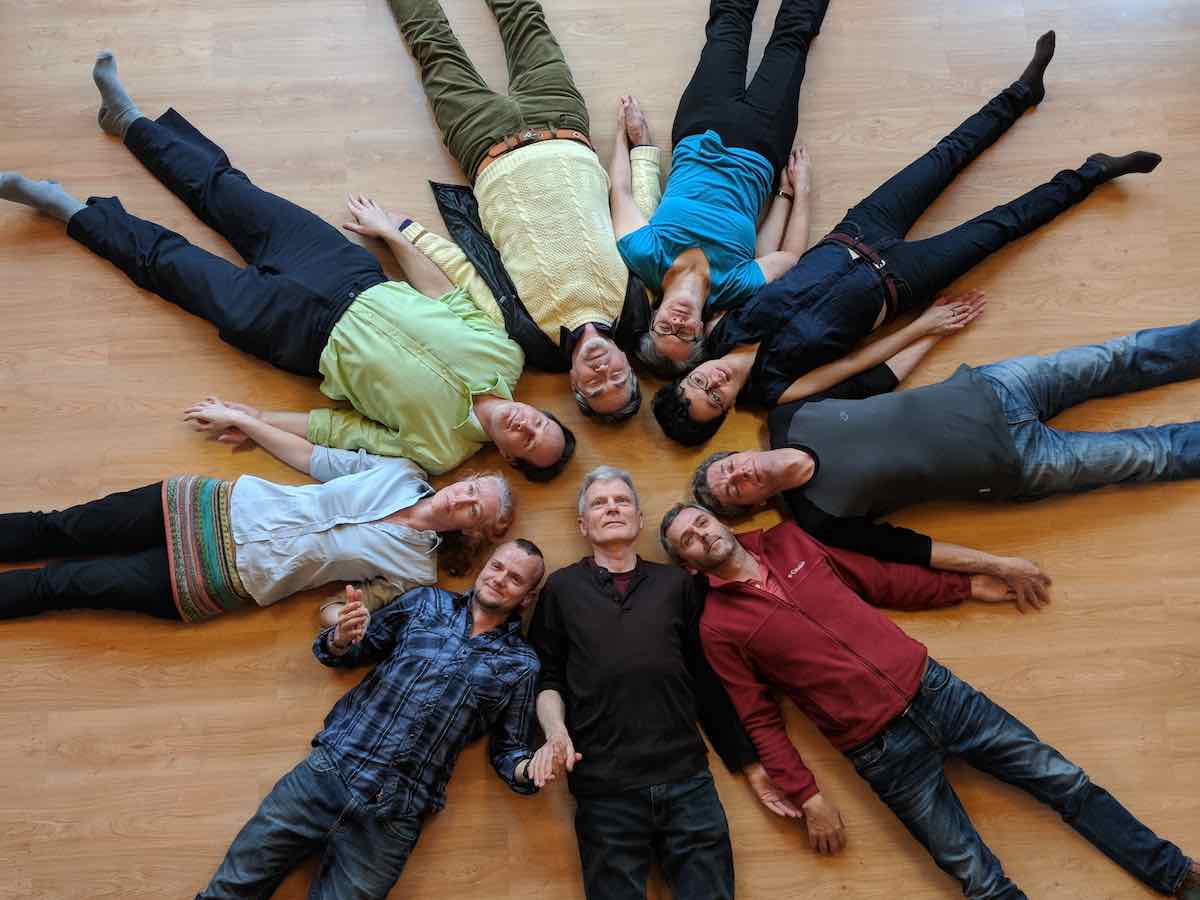
The senses are central to this method. Consciousness may be studied through a simple triad: an organ, an object, and a moment of contact. There is the nose, the rose, and the experience of smell. There is the eye, a form, and seeing. There is the ear, a sound, and hearing. There is the body, a touch, and sensation. There is the mind, an idea, and mental consciousness. This structure reveals that experience is relational rather than isolated. What appears solid is actually a dynamic meeting of conditions.
In this analysis, the mind is treated as a sense faculty. Thoughts, images, memories, fantasies, judgments, and identities are mental objects. A memory of insult, a fantasy of success, a fear of rejection, or a self-image of being superior or unworthy can function like a sound or a smell: it appears, contacts awareness, and produces feeling. Spiritual maturity begins when such mental events are no longer mistaken for ultimate truth. They are observed as conditioned phenomena arising within consciousness.
The male-female symbolism found in many tantric systems is best understood as a metaphorical and ritual language rather than a narrow biological doctrine. In traditional iconography, polarity can represent the meeting of method and wisdom, form and emptiness, compassion and insight, energy and awareness, or object and subject. Used skillfully, this symbolism maps the way consciousness divides experience into self and other, seeker and sought, lover and beloved, knower and known. Used carelessly, it can reinforce confusion. A rigorous Dharmic reading emphasizes discipline, consent, ethics, and liberation over indulgence.

The central claim is subtle: desire itself is not the final enemy. Attachment to desire is the more precise problem. Desire can reveal movement, longing, vitality, creativity, relationality, and aspiration. Attachment converts that movement into dependency. It says, “This must be mine,” “This must not change,” “This must confirm who I am,” or “Without this, life is incomplete.” Tantra studies the moment when open energy becomes contraction. Liberation begins where that contraction is recognized without hatred and released without self-deception.
This approach also clarifies why love and attachment are not identical. Love can be spacious, generous, attentive, and compassionate. Attachment is anxious, possessive, defensive, and often transactional. In daily life, the difference is immediately recognizable. A person may care deeply for another while allowing freedom, change, and truth. Another may claim love while demanding control, certainty, and emotional repayment. Tantric insight asks whether relationship expands awareness or strengthens the prison of self-importance.
The original teaching outlines four symbolic stages of tantric practice through the imagery of human attraction: the smile, holding hands, intimacy, and union. These stages should not be read as a crude behavioral prescription. They function as contemplative symbols for increasingly direct contact with desire, vulnerability, projection, hope, fear, and self-protection. Each stage brings consciousness closer to the places where identity becomes guarded and where attachment hides beneath charm, affection, longing, and need.
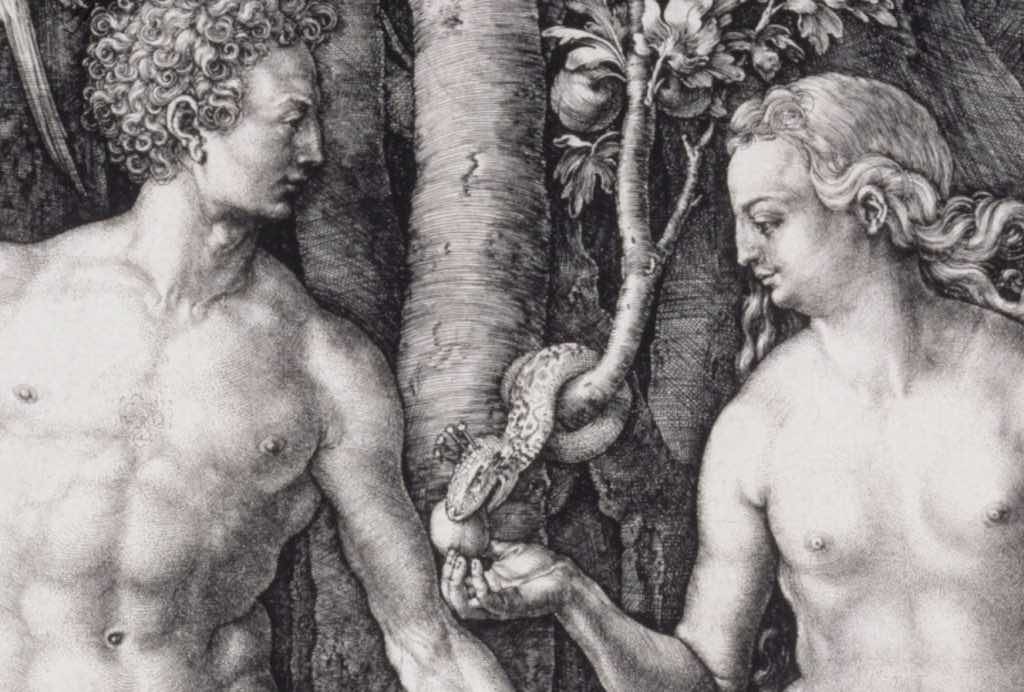
The first stage, Action Yoga, is represented by the smile. A smile creates possibility while maintaining distance. It is invitation without full exposure. At this level, desire is light, tentative, and socially manageable. The mind can enjoy possibility while preserving control. Yet even here, attachment may appear. A returned smile may inflate the ego; an unreturned smile may produce embarrassment or resentment. The practice is to observe how quickly identity forms around approval and rejection.
The second stage, Relating Tantra, is represented by holding hands. The symbolic distance has narrowed. Relationship now involves trust, commitment, expectation, and risk. Hopes and fears become more visible because the situation has moved beyond casual contact. A hand held with tenderness may awaken safety; the possibility of withdrawal may awaken insecurity. This stage reveals how habits of attachment are rooted in memory, family conditioning, social training, and the desire to secure emotional continuity.
The third stage, Joining Tantra, is represented by deeper intimacy. Here the symbolic teaching points to vulnerability. Experience is no longer merely observed from a distance; it gets under the skin. The mind becomes more exposed to longing, jealousy, shame, tenderness, fear of abandonment, and the wish to be fully seen. Because the emotional stakes are higher, the possibility of clinging is stronger. Practice at this level requires honesty, restraint, compassion, and the ability to remain awake amid powerful affective states.
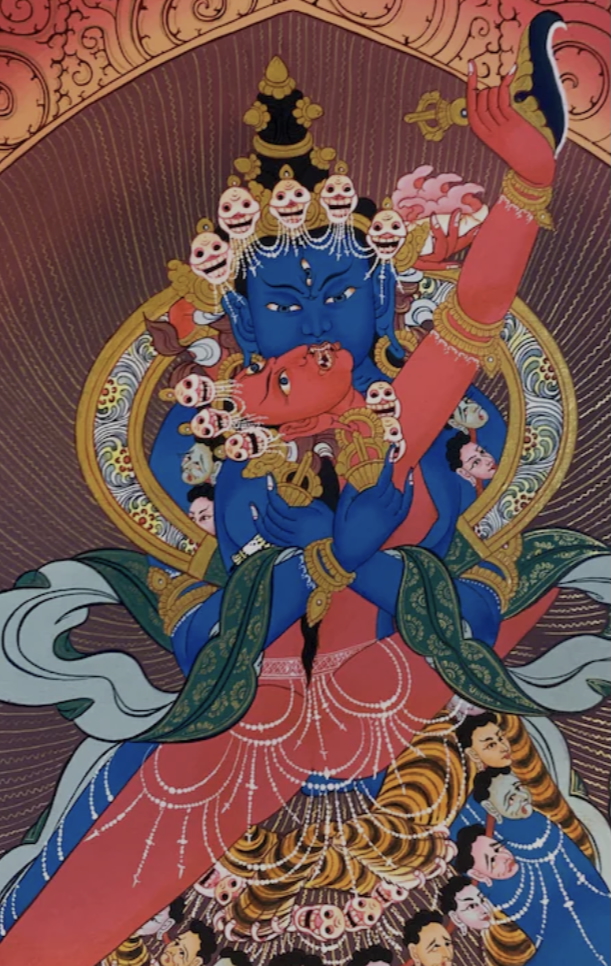
The fourth stage, Union Tantra or Anuttara Yoga, is symbolically represented by complete union. In its highest meaning, this is not a license for indulgence but a contemplative image of non-separation. Subject and object, self and other, grasping and resistance, are seen through in a state of luminous immediacy. The practitioner is fully present, fully engaged, and yet not attempting to possess the moment. This is the paradox of tantric freedom: complete participation without clinging.
Such symbolism has parallels across Dharmic thought. Hindu traditions speak of Shiva and Shakti, Purusha and Prakriti, bhakti and jnana, karma and vairagya, and the transformation of energy into realization. Buddhist traditions examine emptiness, compassion, dependent arising, and the dissolution of self-grasping. Jain traditions emphasize self-restraint, non-attachment, and the purification of karmic bondage. Sikh teachings stress disciplined remembrance, seva, truthful living, and freedom from haumai, the ego-centered sense of separateness. The languages differ, but the ethical direction converges toward liberation from compulsive selfing.
The tantric path is therefore not opposed to ethics. It depends on ethics. Without ethical grounding, desire easily becomes rationalized appetite. Without mindfulness, symbolic practice becomes fantasy. Without humility, esoteric language becomes spiritual vanity. Without compassion, intensity becomes harmful. Authentic tantra requires steadiness, guidance, self-study, respect for boundaries, and a commitment to awakening rather than self-gratification. This point is crucial for modern readers because popular culture often isolates tantra from the disciplines that make it spiritually coherent.

Karma Yoga, or meditation in action, offers an important bridge between formal practice and daily life. It teaches that one need not wait for a monastery, retreat, temple, or perfect circumstance to observe attachment. Work, family, friendship, conflict, illness, aging, success, disappointment, and ordinary responsibilities all reveal the structure of clinging. A delayed message can expose insecurity. A workplace criticism can expose pride. A family disagreement can expose inherited patterns. A pleasure can expose dependency. Every situation becomes a mirror.
This is where the teaching becomes emotionally relatable. Human beings do not suffer only from dramatic tragedies. They suffer from subtle insistences repeated daily: the need to be right, the need to be admired, the need to be desired, the need to avoid discomfort, the need to control outcomes, and the need to preserve a preferred self-image. These needs may appear small, but together they weave the felt sense of bondage. Tantra studies the weave carefully so that the threads may be loosened.
The myth of Narcissus offers a useful comparison. Narcissus falls in love with his own reflection and is destroyed by fixation on an image. Dharmic psychology would interpret this as a vivid metaphor for self-attachment. The most seductive object is often not another person, possession, or pleasure, but the imagined self that demands protection and admiration. When this self-image is praised, attachment grows. When it is threatened, suffering erupts. The tantric task is to see the image as image, not as ultimate reality.

Buddhist language calls this insight anatta or no-self. This does not mean that ordinary personality, responsibility, memory, or moral agency disappear. It means that the fixed, independent, permanent self that the mind defends cannot be found under analysis. What is found instead is a changing pattern of body, feeling, perception, formations, and consciousness. The practical result is not nihilism but freedom. When the self is less rigid, compassion becomes more natural because less energy is spent defending a psychological fortress.
In Hindu philosophical language, the analysis may be framed differently depending on the school. Some traditions distinguish the witnessing Self from the changing contents of mind. Others speak of the play of Shakti, the veiling power of Maya, or the need to realize one’s deeper nature beyond egoic contraction. Though metaphysical conclusions may differ from Buddhist formulations, the practical discipline often overlaps: observe the mind, purify intention, loosen attachment, cultivate wisdom, and live with greater compassion.
Jain and Sikh perspectives enrich this shared field. Jain Dharma places extraordinary emphasis on aparigraha, non-possessiveness, and ahimsa, non-harm, showing that liberation requires the careful reduction of grasping in thought, speech, and action. Sikh Dharma emphasizes remembrance of the Divine Name, honest work, seva, and the overcoming of haumai. These traditions remind readers that liberation is not merely an inward sensation. It must be expressed as ethical conduct, humility, service, and reverence for life.
Tantra, when interpreted within this broad Dharmic harmony, becomes a method for transforming the whole person. The body is not despised. The senses are not treated as enemies. Relationship is not dismissed as a distraction. Emotion is not automatically rejected. Instead, every dimension of life is brought into disciplined awareness. The aim is not to intensify craving but to reveal the spacious awareness in which craving arises and passes. That spaciousness cannot be possessed, yet it can be recognized.
The practice also challenges the modern habit of seeking constant novelty. Many people chase stimulation because stillness feels uncomfortable. Entertainment, consumption, status, and digital approval promise relief, yet often leave the mind more restless. Tantric insight suggests that the problem is not pleasure itself but unconscious consumption of pleasure. When experience is consumed to reinforce identity, dissatisfaction grows. When experience is contemplated with awareness, even ordinary sensation can reveal impermanence, interdependence, and gratitude.
This distinction has practical consequences. Eating a meal can be an act of craving, distraction, gratitude, or meditation. Listening to another person can be an act of impatience, control, compassion, or presence. Work can become egoic performance or Karma Yoga. Relationship can become possession or a field of awakening. Desire can become compulsion or inquiry. The outer action may look similar, but the inner orientation changes its spiritual meaning.

The mature tantric view therefore requires a disciplined relationship with attention. Attention determines whether life is experienced mechanically or consciously. When attention is scattered, desire dominates perception. When attention is stable, desire becomes visible as movement within awareness. This visibility creates choice. The practitioner can respond rather than react, love rather than possess, act rather than grasp, and enjoy without demanding permanence from what is inherently impermanent.
Compassion naturally follows from this insight. When attachment is seen clearly within oneself, the struggles of others become easier to understand. Anger, jealousy, pride, fear, craving, and confusion are no longer viewed only as personal defects. They are recognized as common human patterns produced by ignorance and clinging. This recognition does not excuse harmful behavior, but it allows correction to be guided by wisdom rather than hatred. Loving-kindness becomes less sentimental and more practical.
The teaching that desire can be used to liberate attachment to desire is powerful precisely because it is dangerous when misunderstood. It demands maturity. A person cannot simply follow every impulse and call it tantra. The method requires observing desire without becoming enslaved by it. It requires entering experience while remembering impermanence. It requires honoring the body without worshiping appetite. It requires intimacy without possession, courage without recklessness, and freedom without irresponsibility.
For contemporary spiritual life, this interpretation offers a balanced path. It avoids puritanical fear of the senses and also avoids consumerist glorification of desire. It honors the Dharmic insight that liberation is possible within human life, not apart from it. The world becomes a classroom, the senses become instruments of observation, relationship becomes a mirror, and desire becomes a teacher. The final aim is not the celebration of craving but the discovery of awareness that remains open, lucid, compassionate, and unattached.
To live this way is to see life as tantra: a weaving of conditions that can either bind or liberate. Each thread matters, but no thread is permanent. Each relationship matters, but no relationship can carry the burden of absolute possession. Each pleasure matters, but no pleasure can become a substitute for wisdom. Each sorrow matters, but no sorrow has to define the whole of consciousness. When attachment loosens, life becomes more intimate, not less. The world is no longer something to be conquered or consumed; it becomes something to be met with clarity.
The deepest promise of tantra is therefore not escape from life but awakened participation in life. It teaches how to love without clinging, engage without agenda, feel without being overwhelmed, act without possessiveness, and let go without indifference. In that freedom, desire loses its power to imprison and gains the capacity to illuminate. The woven fabric of life remains vivid, complex, and unpredictable, yet it no longer has to be a net. It can become a path toward liberation, compassion, and enduring spiritual wisdom.
Inspired by this post on Planet Dharma.





Leave a Reply
You must be logged in to post a comment.