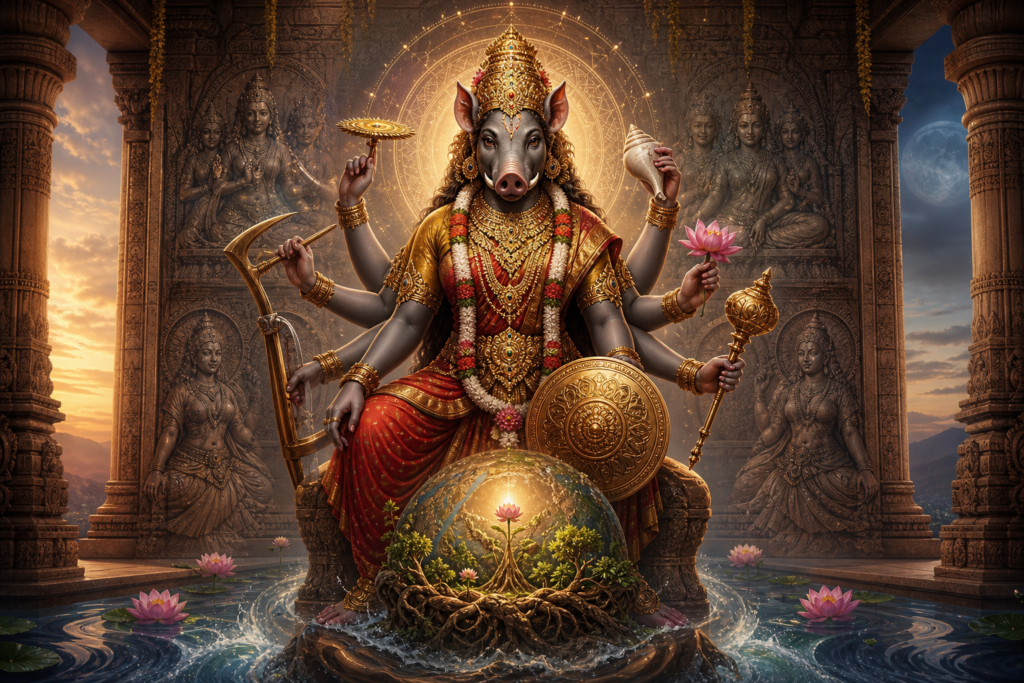
With solemn reverence, the community records the passing of HG Agnideva Prabhu at 8:34 PM Mountain Time in a hospital in Salt Lake City. He was surrounded by a room filled with devotees, while 99 devoteesgodbrothers, godsisters, senior devotees, and well-wishersjoined simultaneously via Zoom, offering an unbroken flow of kirtan. The atmosphere of shared devotion framed a moment of profound spiritual companionship and collective remembrance.
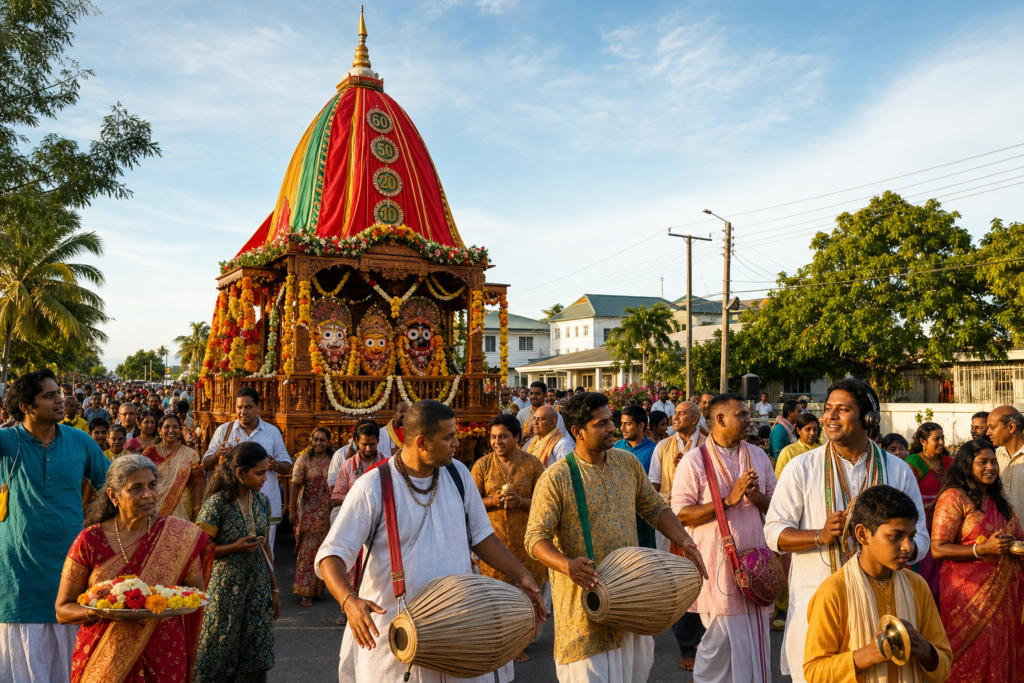
Within Gaudiya Vaishnava and ISKCON (International Society For Krishna Consciousness) communities, HG Agnideva Prabhu was cherished for steadfast devotion and for guiding congregational chanting (sankirtana). His presence at kirtan gatherings nurtured a devotional mood (bhava) that invited participants to remember the Divine through the holy names, a practice at once musical, contemplative, and communally unifying.
Vaishnava theology places profound emphasis on antima-smritiremembrance of the Supreme at life’s final moment. The Bhagavad-gita (8.5–6) teaches that consciousness at the time of departure shapes the soul’s onward journey, while 14.26 extols unwavering bhakti as the path that transcends the modes of nature. In this light, kirtan at the bedside becomes both pastoral care and spiritual practice, orienting attention toward transcendence through collective chanting of the holy names.
The nine processes of bhakti (sravana, kirtana, smarana, pada-sevana, arcana, vandana, dasya, sakhya, and atma-nivedana) interweave especially closely at life’s threshold. Hearing (sravana) and chanting (kirtana) naturally support remembrance (smarana); the Gaudiya tradition encapsulates this with the aspiration “kirtaniya sada harih”to remain absorbed in the Holy Name. The bedside kirtan offered for HG Agnideva Prabhu thus reflects a deeply rooted pastoral idiom in which scriptural insight, music, and community converge.
Accounts from those present emphasize the spiritual potency of sanghacommunityin mediating grief and elevating consciousness. The combination of in-person devotees and those connected through video conferencing created an extended, living congregation. Such digitally enabled satsanga preserves the intimacy of shared devotion while bridging geographic distance, allowing global participation in real time and strengthening communal bonds.
End-of-life spiritual care in Vaishnava settings often includes continuous kirtan, recitation from Bhagavad-gita or Srimad-Bhagavatam, soft repetition of mantras, and gentle reminders of the Lord’s names and forms. These practices, tailored to the individual’s condition, are meant to cultivate serenity and a devotional focus. While specific rites (such as antyeshti) follow cultural and familial customs, the unifying principle is compassionate accompaniment aligned with sacred remembrance.
Parallel patterns of remembrance appear across the wider Dharmic family, underscoring unity in spiritual diversity. In Sikh tradition, simran (repetition of the Divine Name) and kirtan remain central to daily and end-of-life devotion, with families often reciting Japji Sahib and invoking Waheguru with love and steadiness. Many Buddhist lineages chant paritta or mantras to cultivate clarity and compassion at transition, while Jain families may recite the Namokar Mantra, engage in pratikraman, or sit in samayika to center awareness and non-attachment. These convergences affirm a shared ethos: at life’s threshold, attention to the sacred carries hope, courage, and peace.
Research on group singing and mantra recitation associates paced, resonant chanting with improved emotional regulation, lower perceived stress, and heightened social connectedness. The slow, rhythmic breath patterns that accompany kirtan can support parasympathetic activation and calm, while collective vocalization fosters synchrony and resilience. Though devotional aims transcend physiology, such findings offer a complementary perspective on why congregational kirtan is a time-honored modality for spiritual care and communal healing.
Historically, Gaudiya Vaishnavism has elevated sankirtanathe congregational chanting of the Holy Nameas a yuga-dharma practice, with public kirtan carried forward from the 16th century into the modern era. ISKCON’s global propagation of kirtan has created vibrant devotional networks through temples, festivals, and home gatherings, enabling communities to coalesce around shared singing, study, and seva. Within this continuum, HG Agnideva Prabhu’s devotional service is remembered as an embellishment of a living heritage of song, scripture, and service.
In periods of bereavement, communities often respond with sustained devotional offeringsakhand kirtan, scriptural reading circles, and prasada distributionin the spirit of seva and gratitude. These practices become living tributes that transform grief into constructive remembrance, reinforcing values of humility, compassion, and fellowship. Such responses also preserve the intangible cultural legacy of kirtan by passing devotion, not merely memories, to the next generation.
The moment in Salt Lake City, marked by a sacred atmosphere and amplified by the presence of godbrothers and godsisters, exemplifies how faith communities integrate pastoral sensibility with scriptural vision. The intentional choice to maintain kirtan at life’s end speaks to a conviction that soundparticularly the Holy Namecan orient consciousness toward grace and fearlessness, offering solace to family and friends while affirming life’s ultimate purpose.
As reflections continue, unity among Dharmic traditions remains paramount. Whether through kirtan, simran, paritta, or the Namokar Mantra, devotional remembrance embodies a shared grammar of compassion that honors diverse paths while celebrating common ethical and spiritual aspirations. In honoring HG Agnideva Prabhu, the community also honors this larger tapestry of sacred sound and service that binds Hindus, Buddhists, Jains, and Sikhs in a spirit of mutual respect and friendship.
May the legacy of HG Agnideva Prabhu inspire continued devotion, thoughtful study, and gentle service. May the memory of kirtan at his bedside strengthen collective resolve to cultivate remembrance, support one another through grief, and uphold unity in spiritual diversity. Such remembrance, held with dignity and compassion, remains the most meaningful tribute.
Inspired by this post on Dandavats.