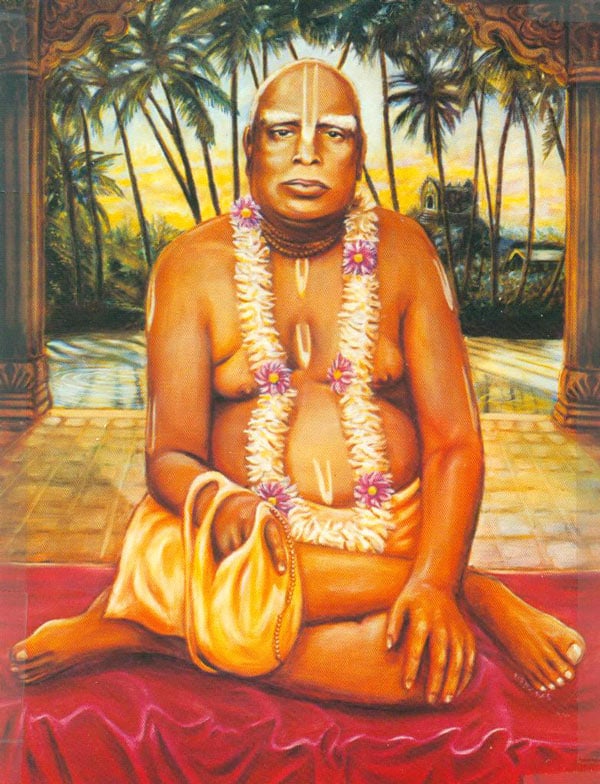
Glorifying Lord Nityananda: A Transformative Tribute to Bhakti, Compassion, and Dharmic Unity
On 31-01-2026, a heartfelt glorification of Lord Nityananda was presented by HG Kripanidhi Prabhu and HH Bhakti Anugraha Janardana Swami Maharaj, offering a profound meditation on the Gaudiya Vaishnavism ideal of boundless mercy. The reflection situated Lord Nityananda as the compassionate associate of Sri Chaitanya Mahaprabhu, whose message of hari-nama, kirtan, and bhakti-yoga continues to inspire communities within ISKCON and beyond. The discourse emphasized devotional spirituality as a living tradition that uplifts everyday life through remembrance, service, and humility.
Framed within the Vaishnava theological lens, the glorification highlighted Lord Nityananda as an embodiment of forgiving grace, welcoming all seekers without distinction. This inclusive spirit resonates with the broader dharmic ethos shared across Hinduism, Buddhism, Jainism, and Sikhismwhere compassion, non-violence, inner discipline, and service (seva) form a common ethical foundation. By connecting Gaudiya insights to these shared values, the presentation advanced a vision of unity in spiritual diversity.
Key themes included the accessibility of bhakti to all, the transformative power of kirtan in softening the heart, and the practical alignment of devotion with daily conduct. Listeners commonly report a sense of solace when encountering Lord Nityananda’s lilas and teachings, noting how the remembrance of divine compassion cultivates patience, empathy, and responsible action. The focus on nama-japa, congregational kirtan, and community support demonstrated how devotional practices become catalysts for ethical living and social harmony.
The reflection underscored that the virtues celebrated in Gaudiya Vaishnavismkindness, humility, truthfulness, and serviceare not confined to any one path. They mirror the dharmic commitment to ahimsa, shared wisdom, and uplifting the community, values honored in Sikh seva, Jain vrata and aparigraha, and Buddhist karuna and mindfulness. Such convergences strengthen interfaith goodwill and encourage collaborative initiatives grounded in mutual respect.
Practical guidance emerged as a central contribution: cultivate steady nama-japa, participate in kirtan with attentiveness, practice intentional seva, and anchor relationships in compassion and accountability. These steps translate reverence for Lord Nityananda into tangible habitsfostering inner peace, resilience, and ethical clarity while nurturing cohesion within families, neighborhoods, and congregations.
As a living tribute, the 31-01-2026 glorification invited renewed commitment to devotional spirituality rooted in inclusivity and love. By honoring Lord Nityananda’s mercy, communities gain a practical blueprint for unity, drawing strength from Gaudiya Vaishnavism while celebrating shared dharmic values. In this convergence of bhakti, compassion, and service, spiritual identity becomes a bridgeuniting diverse seekers in a common pursuit of wisdom, dignity, and harmony.
What was the 31-01-2026 tribute to Lord Nityananda about?
The tribute presented by HG Kripanidhi Prabhu and HH Bhakti Anugraha Janardana Swami Maharaj reflected on Lord Nityananda’s boundless mercy within Gaudiya Vaishnavism. It emphasized bhakti, hari-nama, kirtan, service, and humility as ways to uplift everyday life.
How does the article connect Gaudiya Vaishnavism with other dharmic traditions?
The article connects Lord Nityananda’s inclusive compassion with shared dharmic values found in Hinduism, Buddhism, Jainism, and Sikhism. It highlights compassion, non-violence, inner discipline, wisdom, and seva as a common ethical foundation.
What practical guidance does the reflection offer?
The reflection encourages steady nama-japa, attentive participation in kirtan, intentional seva, and relationships rooted in compassion and accountability. These practices are presented as habits that support inner peace, resilience, ethical clarity, and community cohesion.
Why is kirtan important in this tribute to Lord Nityananda?
Kirtan is described as a transformative practice that softens the heart and deepens devotional awareness. Along with hari-nama and bhakti-yoga, it helps turn spiritual remembrance into compassionate daily conduct.
What virtues does the article emphasize?
The article emphasizes kindness, humility, truthfulness, service, patience, empathy, and responsible action. It presents these virtues as central to Gaudiya Vaishnavism and also resonant with broader dharmic commitments.
How does honoring Lord Nityananda support unity in spiritual diversity?
Honoring Lord Nityananda’s mercy is presented as a bridge for diverse seekers who share a pursuit of wisdom, dignity, and harmony. The tribute frames spiritual identity as a source of inclusivity, love, mutual respect, and interfaith goodwill.