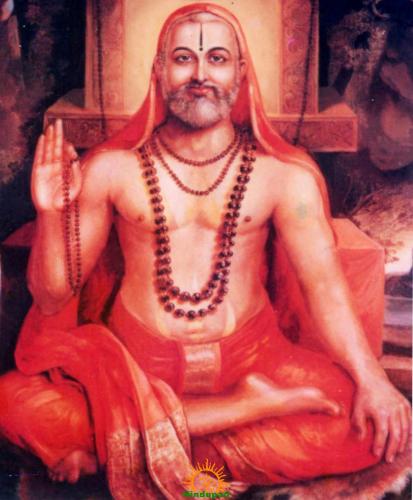
As noted by Kaisori dasi, every year ISKCON centers and projects around the world compose offerings for the Vyasa-puja book to glorify Srila Prabhupada. These devotional offerings articulate gratitude, personal realizations, and renewed vows of seva, while documenting the lived practice of bhakti within a global community.
Vyasa-puja, rooted in Gaudiya Vaishnavism and aligned with the ethos of Guru Purnima, centers on honoring the guru as the representative of Veda Vyasa and the living conduit of Vedic Tradition. In this context, the Vyasa-puja book serves as a collective expression of the Guru-Shishya Tradition, highlighting how spiritual guidance translates into personal transformation, disciplined practice, and service to society.
The compilation offers more than homage; it provides a panoramic view of ISKCON that many devotees seldom see: an interconnected, international network of enthusiastic and caring communities. By assembling offerings from diverse geographies, the book functions as an institutional memory, recording local initiatives, cultural adaptations, and sustained spiritual commitments that advance Srila Prabhupada’s mission.
From an academic perspective, such curated narratives enhance organizational learning and accountability. They allow communities to compare approaches to outreach and education, identify effective models of service, and reinforce ethical commitments through transparent, public reflection. Many contributors recount how preparing an offering deepens introspection, refines spiritual goals, and strengthens communal bonds through shared vows and measurable service outcomes.
Proven practices for crafting high-quality Vyasa-puja offerings include: clearly contextualizing local service (seva) within broader social needs; highlighting educational and cultural programs; noting tangible outcomes alongside personal realizations; and articulating future commitments with humility and clarity. When appropriate, references to Sanskrit terms, Bhagavad-gita insights, or Gaudiya Vaishnava commentaries can enrich the submission while remaining accessible to a global audience through concise explanations and, where possible, translation.
Importantly, the values embodied in Vyasa-pujagratitude to one’s teacher, disciplined practice, non-harm, and community serviceresonate across dharmic traditions, including Hinduism, Buddhism, Jainism, and Sikhism. Framing offerings within this shared dharmic ethos fosters unity in spiritual diversity, supports inter-tradition respect, and underscores a common commitment to ethical living and compassionate action.
In sum, the Vyasa-puja book is a living archive of devotional offerings and a mirror reflecting ISKCON’s global network of service. By documenting gratitude and seva with clarity and sincerity, contributors help preserve a legacy, inspire future service, and strengthen cohesion within a diverse, international spiritual society. Inspired by this post on this post.