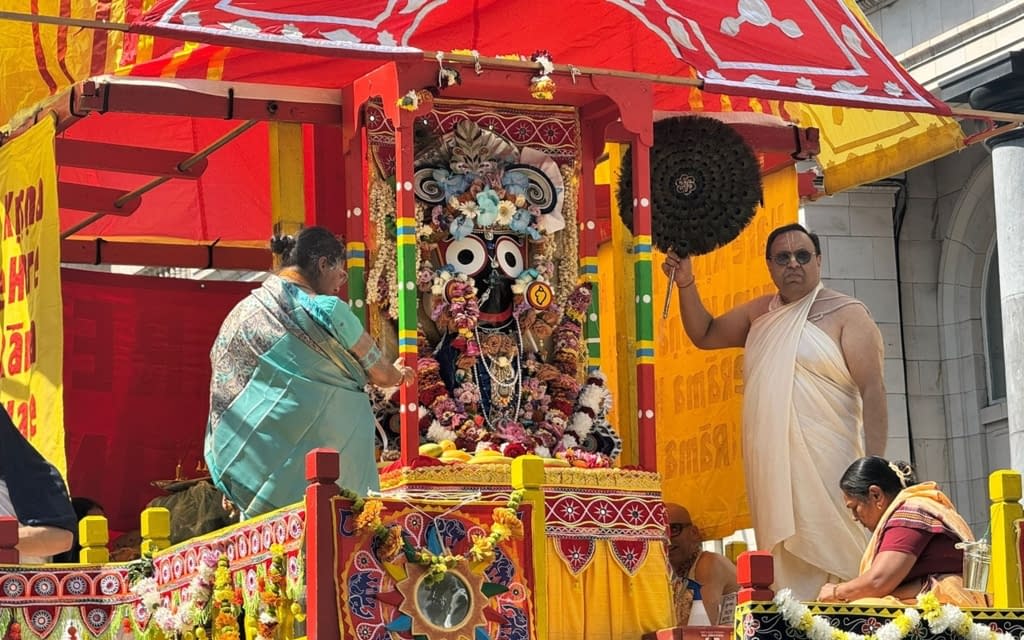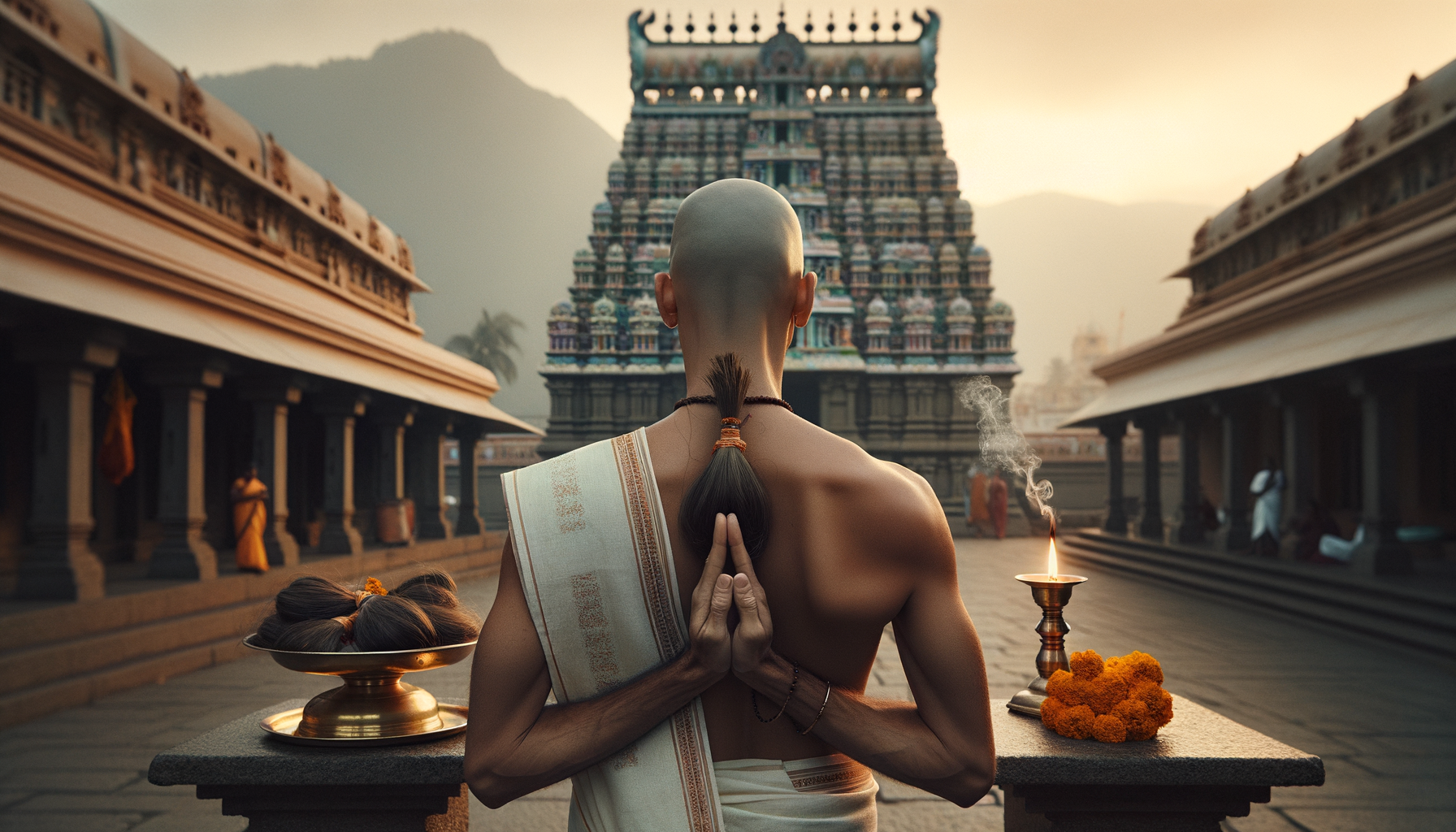
Across India, head shaving at sacred sites such as Tirumala (Tirupati) is a visible expression of devotion that blends ancient samskaras, personal vows, and communal remembrance. The practice raises an enduring question: why do Hindus shave their heads in temples, and how does this act embody humility, purity, and spiritual renewal?
Classical tradition situates hair removal within the samskara of Chūḍākaraṇa (also called Chaula), a rite marking transition and new beginnings. By offering hair, devotees symbolically set aside past impressions (saṁskāras), vanity, and ego, orienting themselves toward dharma with fresh resolve. This ritual logic—shedding the old to make room for inner clarity—underpins many regional customs connected to pilgrimage and worship in Hindu temples.
At Tirumala, tonsure often fulfills a vow (mokku) made in gratitude, supplication, or penance. Devotees donate hair as a tangible offering, aligning body, mind, and intent in front of the deity. The process is voluntary and deeply personal, and its meaning is amplified by the shared ethos of service found at large pilgrimage centers. In addition to its devotional significance, hair donation is systematized and respectfully managed, reflecting the organizational discipline that supports darśan for millions of pilgrims.
Shaving the head in times of bereavement is also observed in many Hindu communities. Within the antyeṣṭi and śrāddha cycle, close male relatives, and in some regions women, may adopt tonsure as a sign of impermanence (anitya), humility, and solidarity with the departed. The gesture acknowledges life’s transience while reaffirming a commitment to righteous living. Practices vary by region, lineage, and family custom, and are approached with respect for local dharma traditions.
Beyond symbolism, practical considerations have historically mattered in temple contexts. Pilgrimage often involves long journeys, strict vratas, and dense congregations; hair removal can ease ritual maintenance, simplify daily purity routines, and enhance hygiene in humid climates. These pragmatic benefits complement the spiritual intent, reinforcing the integrated nature of Hindu practice where conduct, environment, and inner disposition work together.
Viewed through the wider dharmic lens, the meaning of hair in sacred life reflects unity in diversity. Buddhist renunciants shave the head as a marker of discipline and detachment; Jain ascetics practice keśa-luñchana as a radical renunciation of attachment; Sikhs sanctify uncut hair (kesh) as an expression of dignity, spiritual commitment, and unbroken remembrance of the divine. While the outward forms differ, each tradition uses embodied discipline to honor the sacred, cultivate humility, and deepen ethical intent—affirming a shared civilizational commitment to inner transformation.
Many pilgrims describe the moment of tonsure as quietly powerful: the razor passes, a mirror reflects a bare scalp, and a sense of surrender settles in. For some, it is gratitude fulfilled; for others, it is the start of a new chapter. In both temple offerings and mourning rites, the act connects individual lives to a lineage of practice where intention matters as much as form.
Those considering tonsure at a temple may weigh family customs, consult elders, and approach the ritual with informed consent and reverence. Participation is voluntary and inclusive, undertaken by men and women across regions. Aftercare is simple—cleanliness, modest covering, and rest—and the spirit of the rite is preserved by maintaining focus on devotion, compassion, and service to others.
Ultimately, shaving the head in a temple or during mourning functions as an embodied prayer—an offering of the self that bridges personal vows, communal well-being, and timeless teachings. By uniting symbolic surrender with practical discipline, the practice reflects the broader dharmic message: diverse paths, one pursuit of truth, and a shared aspiration toward humility, purity, and inner freedom.
Inspired by this post on Hindu Pad.