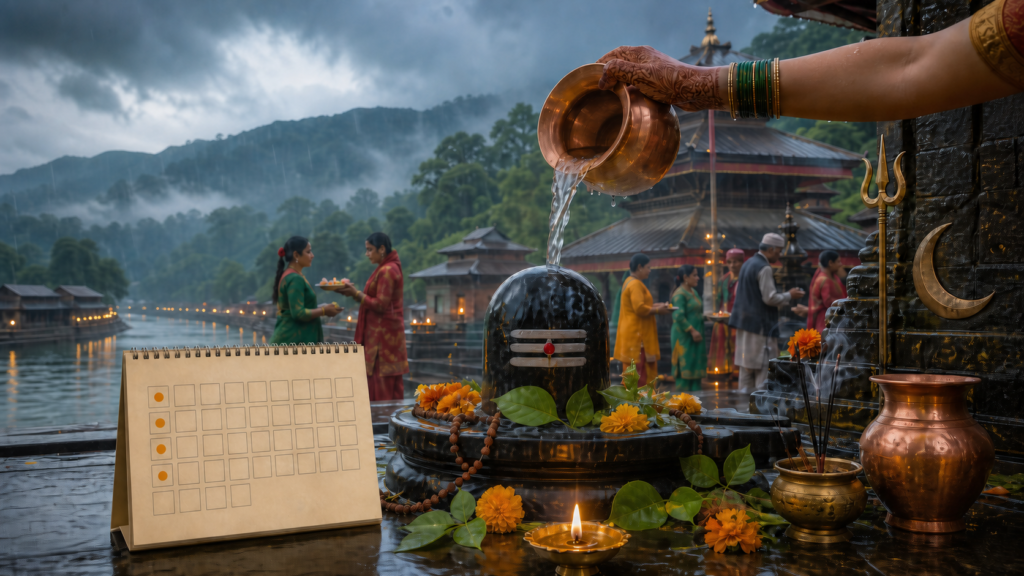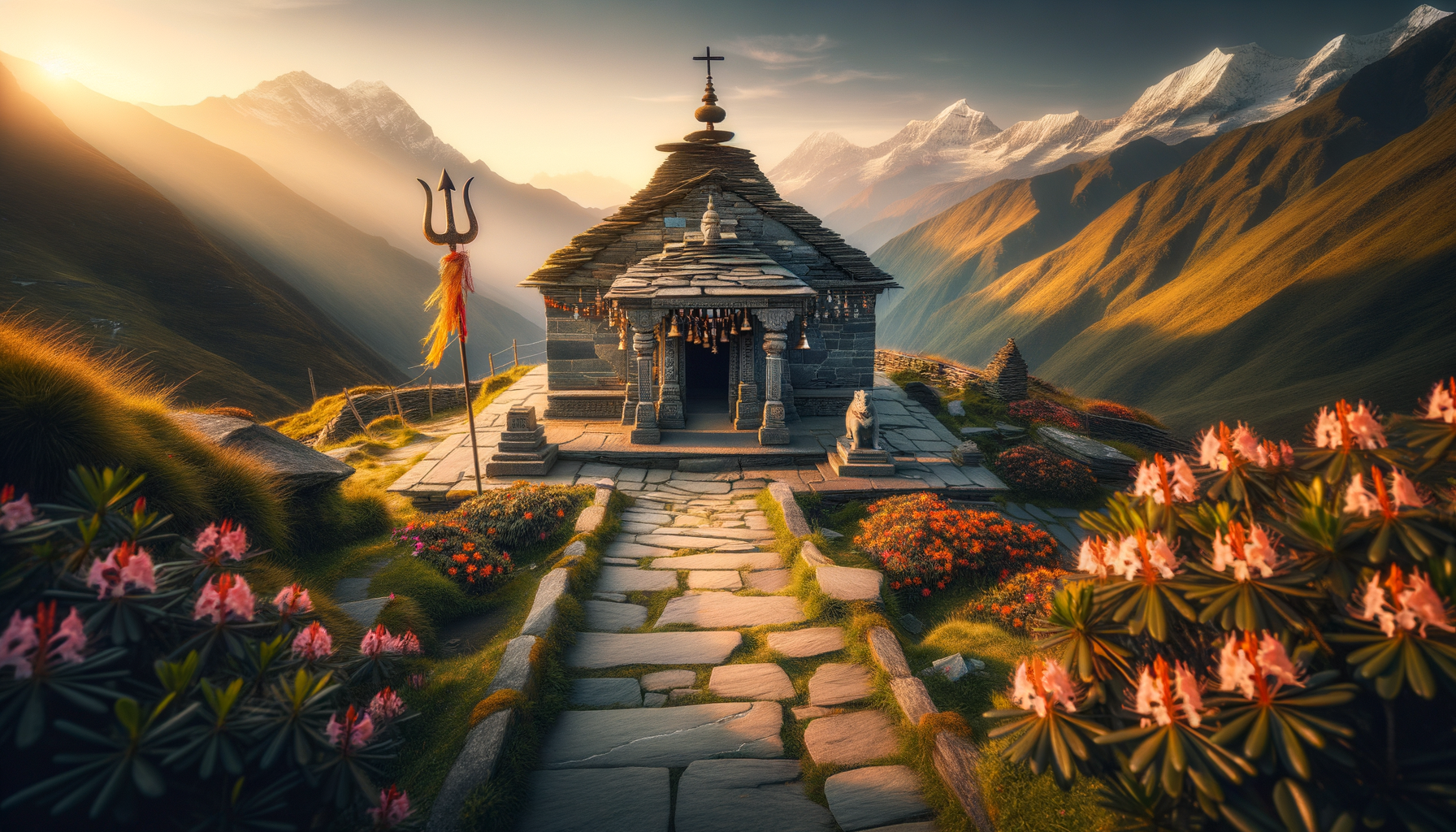
Tungnath Temple, situated in the Garhwal Himalaya of Uttarakhand, rises above the Rudraprayag district as the world’s highest Shiva temple. Set within the Tunganath mountain range near Chopta, it forms a vital part of the sacred Panch Kedar circuit in North India. Its elevationaround 3,680 metersenhances both its spiritual gravitas and its reputation as an iconic Himalayan pilgrimage site.
In the Panch Kedar tradition, Tungnath is revered as the place where Shiva’s “arms” (bahu) are worshipped, complementing the manifestations at Kedarnath, Rudranath, Madhyamaheshwar, and Kalpeshwar. Rooted in the Mahabharata-era narratives of the Pandavas’ quest for atonement, the temple is embedded in a broader sacred geography that links devotion, penance, and the Himalaya. This interwoven lore continues to foster a culture of reverence that resonates with seekers across the Dharmic spectrum, nurturing unity and mutual respect among Hindu, Buddhist, Jain, and Sikh pilgrims who honor the mountains as living repositories of wisdom.
The approach to Tungnath typically begins from Chopta, following a well-trodden stone path that threads through rhododendron forests, alpine meadows, and sweeping ridgelines. Pilgrims and trekkers frequently describe a contemplative stillness along the route and a feeling of uplift on reaching the temple, enhanced by panoramic views and the nearby Chandrashila summit. The journey’s moderate length and steady ascent invite mindful pacing, allowing visitors to experience both natural beauty and spiritual introspection in equal measure.
Architecturally, the stone-built sanctum and understated mandapa reflect the enduring aesthetics of Himalayan temple designfunctional, resilient, and harmoniously integrated with the surrounding landscape. Seasonal rhythms shape its ritual life: the temple generally remains open from late spring to autumn, and during winter the presiding deity is worshipped at Mukunath in Makkumath. These practices illustrate a dynamic custodianship that keeps the continuum of worship alive despite harsh weather, while upholding the region’s time-honored traditions.
Tungnath’s significance extends beyond altitude and antiquity. As part of Uttarakhand’s sacred heritage, it anchors a pilgrimage network that includes Kedarnath and the larger Garhwal Himalaya, supporting local cultural practices and living traditions of Tirtha-Yatra. Visitors often speak of a quiet sense of belonging upon arrivalan experience shaped by the temple’s serenity, the clarity of mountain air, and the enduring devotion of generations who have walked the same path.
The temple’s aura also underscores an ethic of ecological care that is core to Dharmic worldviewsreverence for the mountains, restraint in consumption, and responsibility toward shared spaces. In this spirit, Tungnath symbolizes an inclusive spiritual heritage where multiple paths of devotion are honored, the Himalaya is revered as a teacher, and pilgrimage becomes a bridge uniting communities in humility, learning, and peace.
Inspired by this post on Hindu Pad.