Draksharamam Sri Bhimeshwara Swamy Temple, also known as Draksharama Bhimanatha Swamy Temple, stands as a preeminent Pancharama Shiva Kshetra in the East Godavari district of Andhra Pradesh. Revered for its sacred antiquity and architectural distinction, the temple anchors a vital node in the sacred geography of coastal Andhra, drawing pilgrims, heritage enthusiasts, and researchers alike.
Situated approximately 28 kilometers from Kakinada, 50 kilometers from Rajahmundry, and 25 kilometers from Amalapuram, Draksharamam is readily accessible within the Godavari delta region. Its placement within a vibrant cultural corridor allows the temple to function as both a devotional center and a living repository of regional history.
Temple lore identifies the site with Daksha Prajapathi (Prajapati), linking Draksharamam to the layered narratives of the Daksha Yajna and the formation of sacred Shaiva spaces across the subcontinent. Epigraphic and stylistic evidence associates major phases of construction with the Eastern Chalukyasparticularly King Bhima I (10th century CE)with subsequent enhancements under later dynasties. Inscriptions in Telugu and Sanskrit, along with mature Dravidian architectural features, collectively attest to long-standing royal patronage and ritual continuity.
The temple’s most striking feature is the towering Shiva Lingatraditionally described as extending across two sanctum levelsfacilitating worship from more than one vertical plane. The carefully aligned Nandi mandapa, concentric prakaras, and robust granite courses embody a meticulous synthesis of ritual function and structural form. Intricate stonework, iconographic panels, and subsidiary shrines reinforce the temple’s liturgical rhythm while preserving local idioms of sacred art.
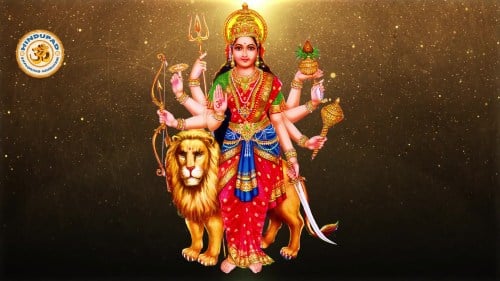
Complementing its Shaiva eminence, the presence of Goddess Manikyambavenerated here as a Shakti Peethaestablishes Draksharamam as a rare confluence of Shaiva and Shakta devotion. This integrated worship tradition exemplifies the inclusive ethos of dharmic spirituality, resonating with values appreciated across Hinduism, Buddhism, Jainism, and Sikhism: inner discipline, reverence for knowledge, and compassionate living.
Within the Pancharama pilgrimage circuit, Draksharamam is traditionally visited alongside Amararama (Amaravathi), Somarama (Bhimavaram), Ksheerarama (Palakollu), and Kumararama (Samarlakota). Completing this circuit is widely regarded as a journey through layered histories and living practices, illuminating the shared civilizational heritage of the region. The circuit’s continuity underscores how sacred geography fosters unity, reflection, and ethical grounding.
Festival observancesparticularly Maha Shivaratri, Karthika Masam rites, and Pradoshamanimate the temple’s ritual calendar. Devotees frequently describe a profound stillness within the granite corridors, marked by the cadence of Vedic recitations, the fragrance of bilva leaves, and the steady glow of deepam lamps. Such sensory depth often translates into a contemplative experience that transcends sectarian boundaries while deepening attachment to local tradition.
Practical considerations favor visits during the relatively temperate months and on major utsavams for a fuller appreciation of temple liturgy. Early morning and evening darshan customarily draw the most devotees. Modest attire, quiet conduct, and adherence to customary queues enhance the devotional atmosphere and safeguard the sanctity of shared spaces. Temple hours and ritual schedules vary seasonally and are best verified locally.
As a living monument, Draksharamam Sri Bhimeshwara Swamy Temple integrates historical memory, sacred architecture, and active worship. Its role within the Pancharama Kshetras, together with the Shakti Peetha of Manikyamba, exemplifies the civilizational ideal of unity in spiritual diversityan enduring template for harmonious engagement across dharmic traditions.
Inspired by this post on Hindu Pad.