Situated in the southern landscape of Tamil Nadu, Srivilliputtur (often spelled Srivilliputhur) stands as a luminous center of Vaishnavism. For centuries, devotion to Vishnu has resonated through its streets and sanctuaries, guided by the spiritual legacy of the revered AzhwarsPeriazhwar and Andal. Their Tamil hymns, preserved in the Nalayira Divya Prabandham, continue to shape temple practice, public recitation, and the living rhythm of bhakti in this historic town.
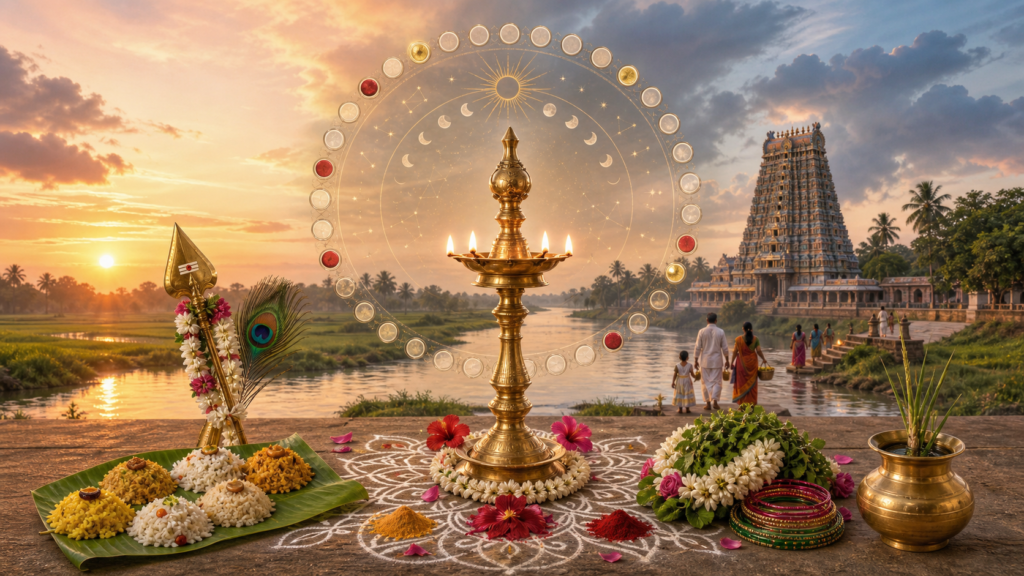
Srivilliputtur’s sacred geography revolves around its twin Divya Desams: the Srivilliputtur Nachiyar (Andal) Temple and the Vatapatrasayi Perumal Temple. The commanding gopuram of the Nachiyar Templeiconic in form and symbolismserves as the emblem of the Government of Tamil Nadu, underscoring the site’s cultural significance. Daily rituals, seasonal festivals, and processions integrate classical temple architecture with an enduring Vaishnava liturgical calendar, rendering Srivilliputtur a living archive of South Indian temple traditions.
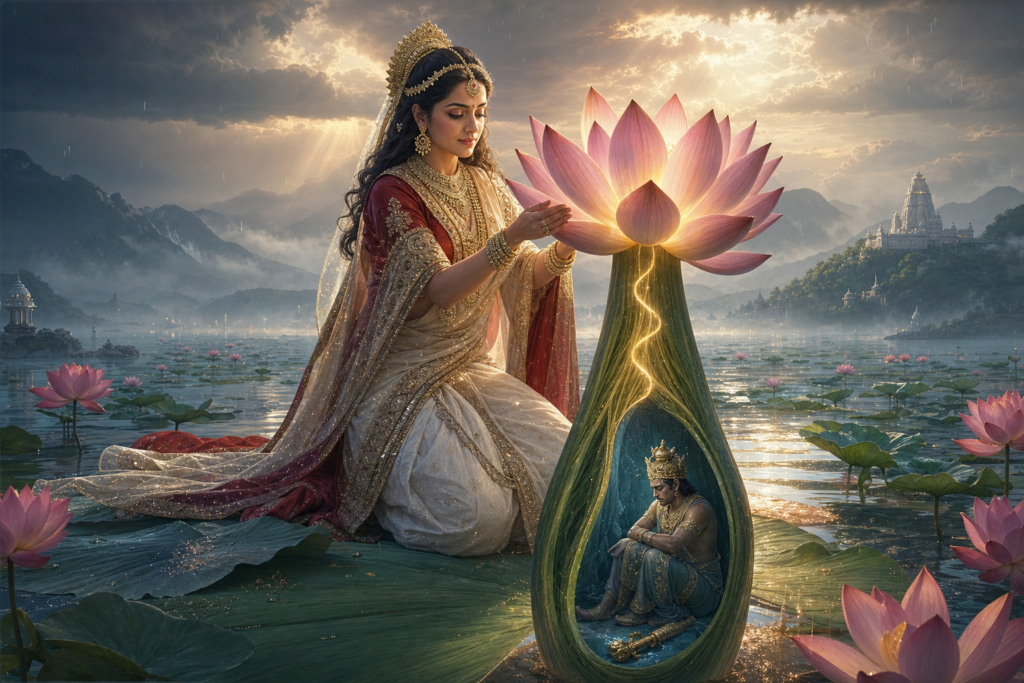
Andal, the only female among the Azhwars, anchors the town’s spiritual identity. Her Tiruppavai and Nachiyar Tirumoli articulate a devotional ideal grounded in love, surrender, and ethical commitment. During Margazhi, the collective recitation of Tiruppavai across homes and temples embodies a shared spiritual discipline that extends beyond geography, offering an inclusive path of devotion that resonates with seekers across dharmic traditions.
Periazhwar, venerated as Andal’s father, enriches Srivilliputtur’s theological tapestry through hymns steeped in vatsalya bhavaviewing the Divine through the lens of tender parental affection. His poetic celebration of Krishna cultivates a compassionate devotional sensibility central to Sri Vaishnava thought. Together, Andal and Periazhwar shape a balanced devotional visionemotionally compelling, philosophically grounded, and ritually vibrant.
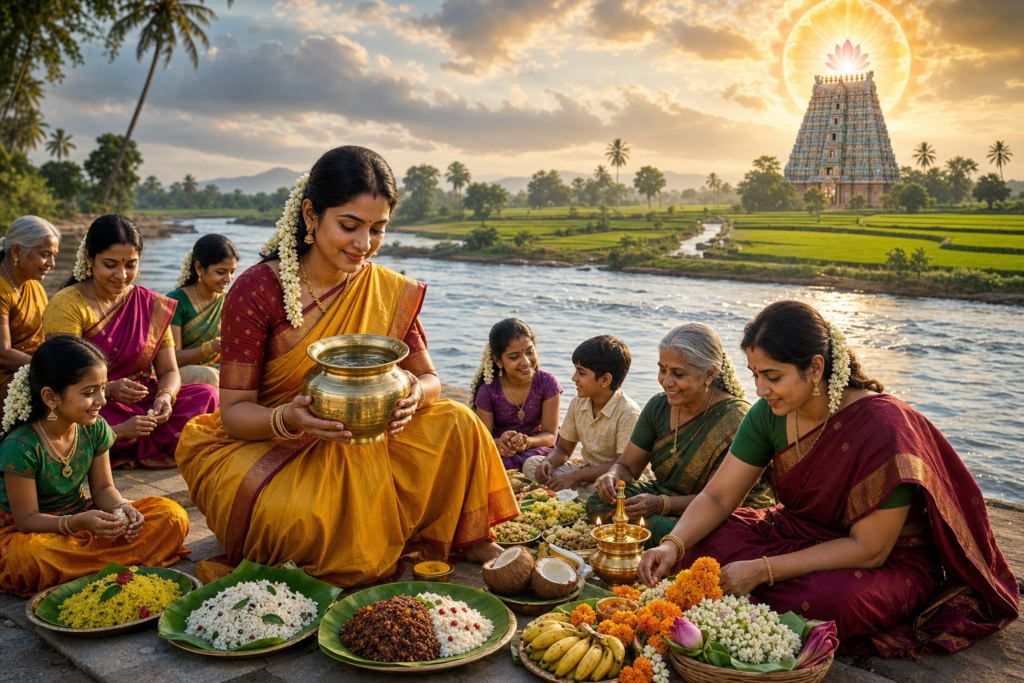
Visitors frequently describe an atmosphere of contemplative serenity: the dawn cadence of Tiruppavai, the resonance of temple bells, and the sight of processional deities along streets that have witnessed centuries of worship. Culinary offerings associated with Andalsuch as akkaravadisaldeepen the experiential dimension of pilgrimage, intertwining taste, memory, and ritual. In this setting, devotion becomes sensorially immersive as well as intellectually meaningful.
Srivilliputtur’s influence extends to Tamil literature, classical arts, and regional festivals. Celebrations such as Margazhi, Aadi Pooram, and Vaikuntha Ekadashi sustain public participation in the Bhakti Tradition, while Carnatic music and temple arts draw inspiration from the Azhwars’ corpus. As a hub of Cultural Heritage, the town exemplifies how sacred art, architecture, and liturgy transmit values across generations.
In alignment with the shared ethos of dharmic traditionsHinduism, Buddhism, Jainism, and SikhismSrivilliputtur offers a model of spiritual inclusivity rooted in devotion, ethical living, and reverence for the sacred. Andal’s universal message of love and surrender to the Divine invites respectful dialogue across paths, demonstrating how spiritual plurality can flourish without diminution of distinct identities. This spirit of unity strengthens social harmony while honoring the depth of each tradition.
Conservation efforts and careful heritage stewardship remain vital to preserving Srivilliputtur’s temples and rituals. As an emblematic site for Tamil Nadu and a beacon for Vaishnavism, the town benefits from sustainable pilgrimage practices, informed scholarship, and community engagement that protect both the material fabric and the intangible heritage of worship. Such measures ensure continuity between historical memory and contemporary devotion.
For Vaishnavites, Srivilliputtur is more than a destination; it is a touchstone of devotion where Andal’s voice continues to inspire faith and ethical action. For a wider audience, the town illustrates how living traditions integrate poetry, philosophy, and communal practice. Its enduring vitality affirms the power of sacred places to nurture inner transformation and collective cultural memory.
Inspired by this post on Hindu Blog.