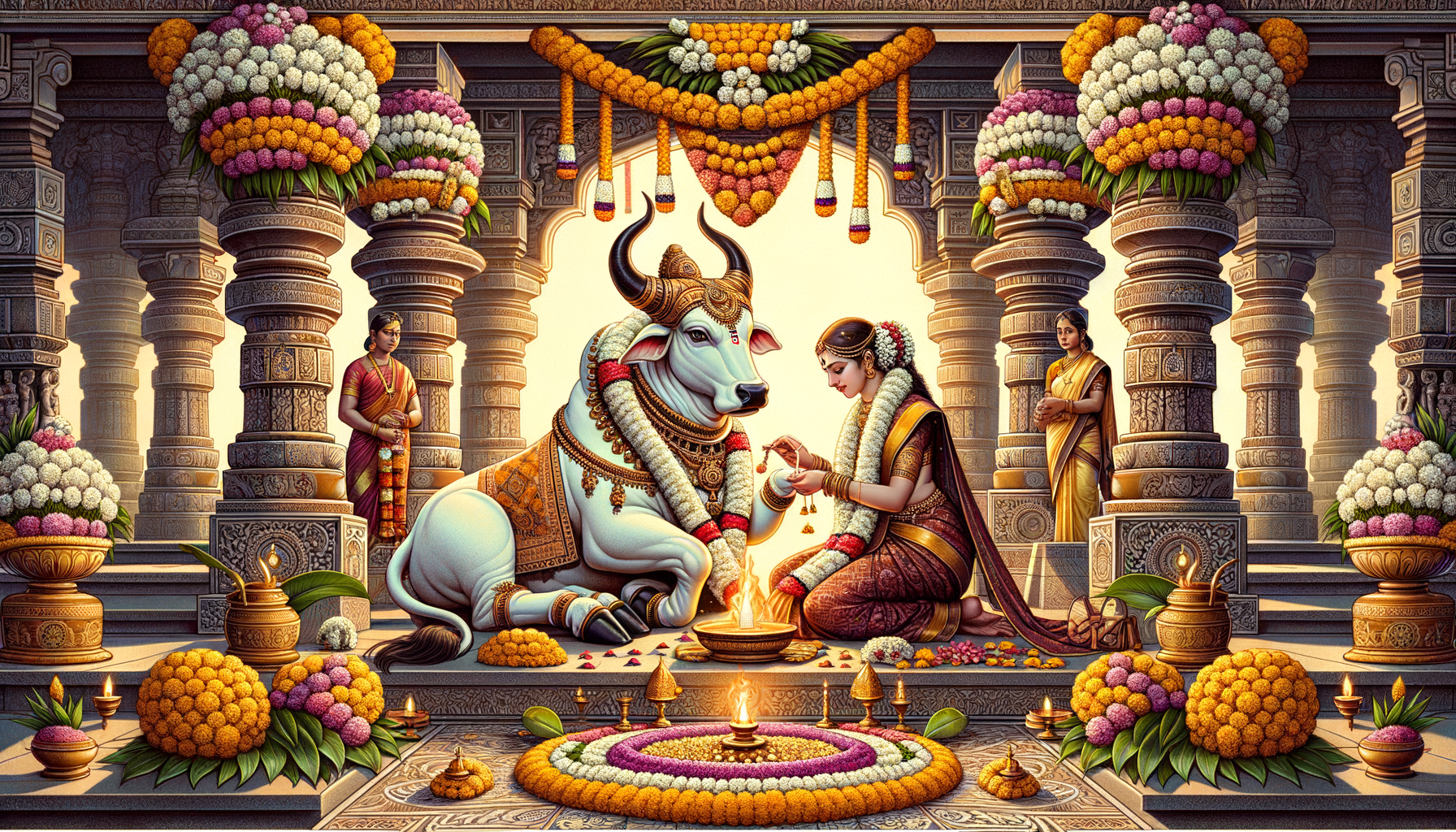
In Shaiva tradition, Nandi Devar stands as the vigilant gatekeeper and devoted attendant of Lord Shiva at sacred Kailash, embodying steadfast service (seva), loyalty, and dharma. Within this wider devotional landscape, the legendary Nandi Kalyanamrecounted in local sthala-puranalocates the divine wedding of Nandikeshwara and Suyasha at the revered Thirumazhapadi Vaidhyanathar Temple, a renowned Shaiva kshetra in Tamil Nadu. Tradition holds that this union, celebrated by generations of devotees, continues to inspire living practices of bhakti and communal harmony.
Thirumazhapadi Vaidhyanathar Temple, honored for deep-rooted Shaiva worship, is associated in collective memory with Nandi Kalyanam. While the event is set in a time immemorial in sacred narratives, its significance today lies in how the temple community sustains the story through ritual remembrance, music, and collective participation. The site’s prominence among Hindu temples in Tamil Nadu underscores the continuity of temple culture as intangible cultural heritage.
Within the narrative, Nandikeshwara’s marriage to Suyasha symbolizes the meeting of unwavering duty and auspicious grace. As the bull is a timeless emblem of dharma, the kalyanam affirms a Shaiva vision in which spiritual commitment coexists with the sanctity of household life (grihastha). This union is not merely mythic pageantry; it offers an ethical template: steadfastness, fidelity, and protection of the sacred.
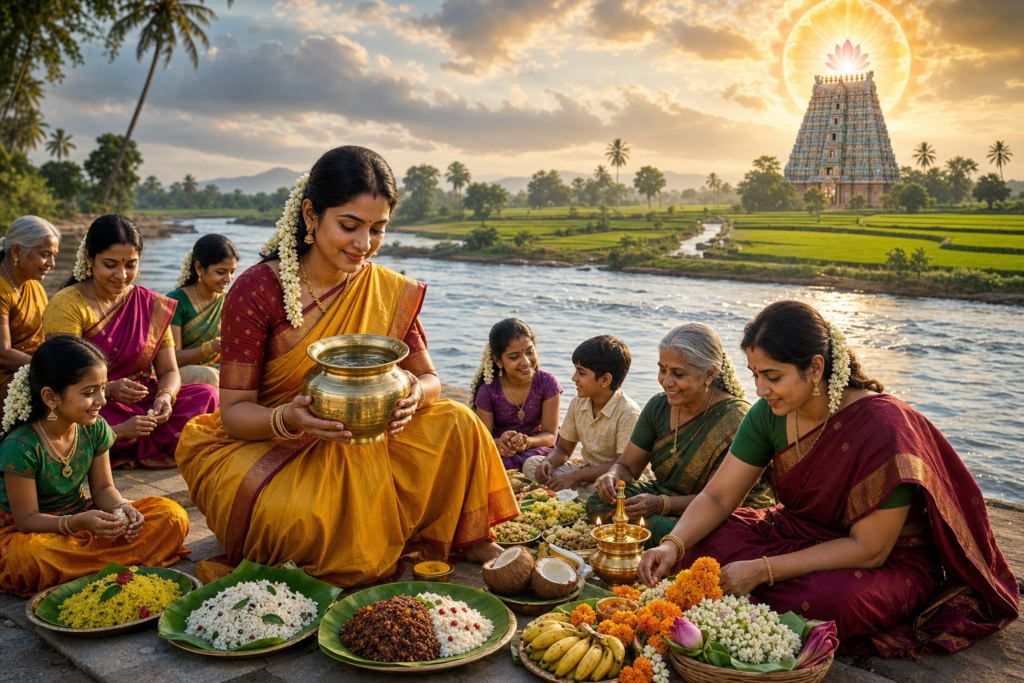
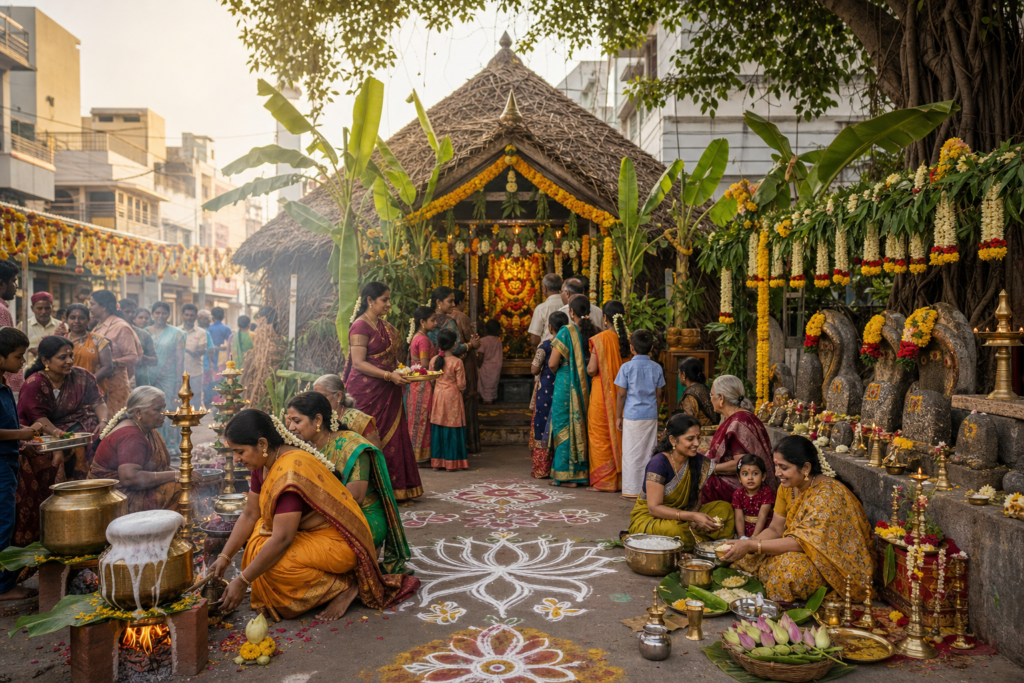
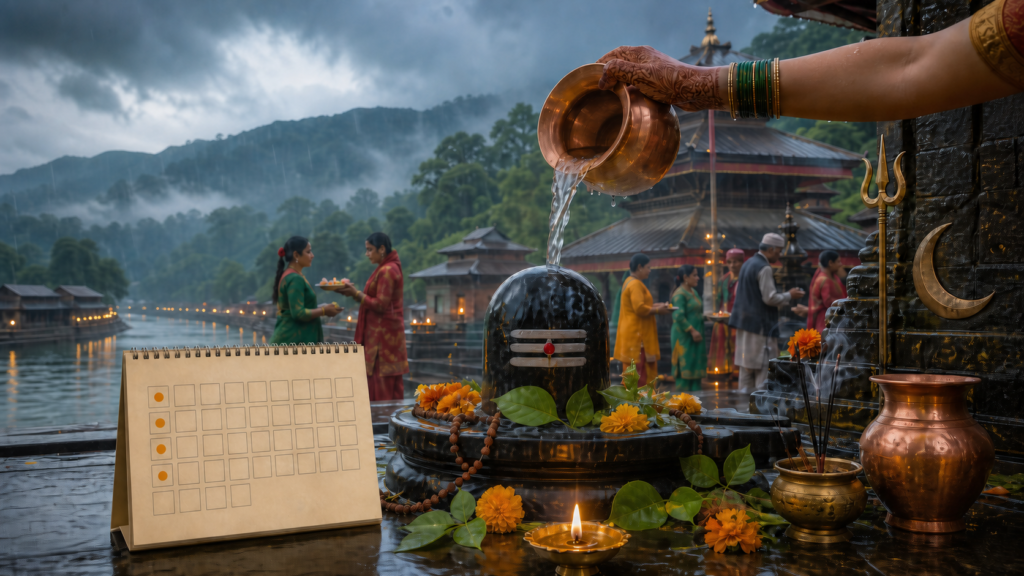
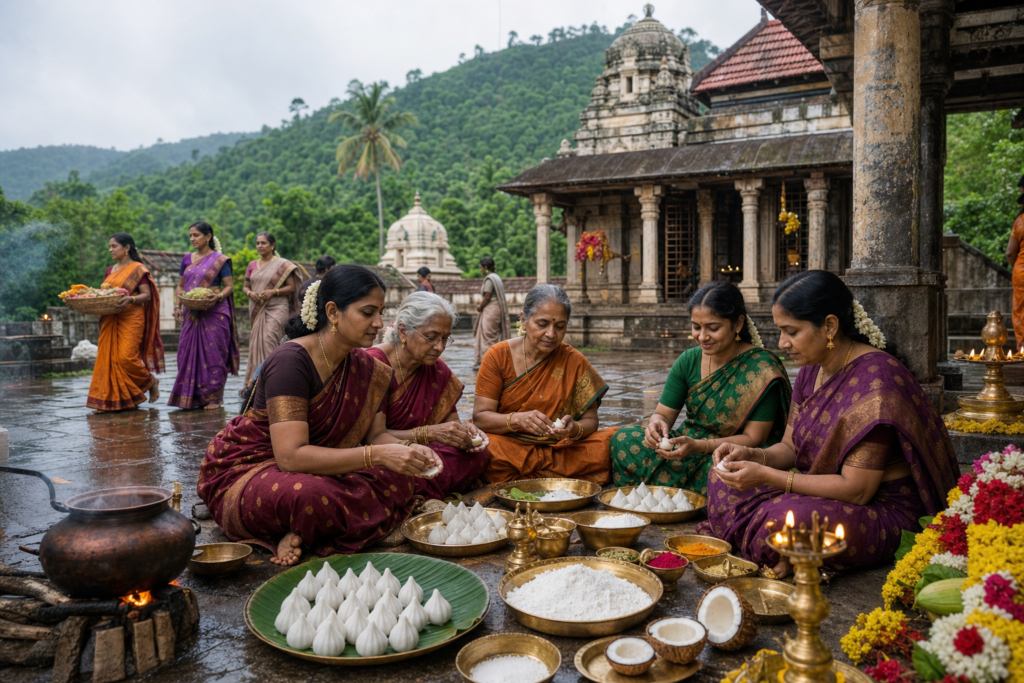
Devotees commemorate the wedding in temple rites that may include a symbolic kalyanam, processions, nadaswaram and tavil music, and the recitation of Shaiva stotras. Families attend to seek Shiva’s and Nandi’s blessings for harmony, courage, and collective well-being. Through these shared acts, the temple becomes a living classroom where children learn devotion as practice, not abstraction.
Pilgrims often describe the experience as profoundly moving: the resonance of temple bells, the fragrance of flowers, and the rhythmic cadence of mantras create an atmosphere of both solemnity and joy. Many recount a sense of inner steadinessan alignment with Nandi’s exemplified qualities of patience and resolute service. For elders and youth alike, the kalyanam becomes a touchstone for intergenerational memory, renewing bonds across families and communities.
Aligned with the broader spirit of dharmic unity, the themes embodied in Nandi Kalyanamdevotion, moral discipline, and communal harmonyresonate beyond a single tradition. While practices differ across Hinduism, Buddhism, Jainism, and Sikhism, shared values such as compassion, service, and ethical living offer common ground for mutual respect. The festival’s inclusive ethos encourages dialogue, hospitality, and the celebration of cultural diversity within a framework of shared dignity.
As a strand of India’s cultural heritage, the remembrance of Nandi Kalyanam supports the conservation of temple arts, local music traditions, ritual knowledge, and community-led stewardship. It sustains livelihoods around the temple ecosystem and strengthens the cultural fabric that connects village, town, and diaspora. In this way, a sacred story functions as a living archivepreserving memory while nurturing renewal.
Visitors who journey to Thirumazhapadi Vaidhyanathar Temple typically observe customary etiquette: dressing modestly, maintaining temple decorum, and honoring local guidelines on darshan and offerings. Many pilgrims also practice sustainable travelminimizing waste and supporting local artisansso that spiritual journeys contribute to both ecological responsibility and community welfare.
Ultimately, the legend of Nandi Kalyanamset at Thirumazhapadi and resonant with the presence of Lord Shivacontinues to offer a reflective path. It invites contemplation on duty and devotion, anchors communal celebration in ethical ideals, and acts as a bridge between past and present. In honoring Nandikeshwara and Suyasha, devotees honor a timeless aspiration: to live with constancy, kindness, and unity in diversity.
Inspired by this post on Hindu Pad.