March 2026 at Kanchi Kamakoti Peetham, Kanchipuram, unfolds across a pivotal juncture of the lunisolar year, spanning Falgun Maas – Chaitra Maas in North Indian Hindi calendars, Phalguna Masam – Chaitra Masam in Telugu, Kannada, Marathi, and Gujarati calendars, Falgun Mash – Chaitra Mash in the Bengali Panjika, and the Tamil months of Masi – Panguni. This overview brings together the month’s tithi-governed observances, the Peetham’s characteristic ritual flow, and practical guidance for aligning personal sadhana with the temple’s rhythm in Kanchipuram, Tamil Nadu.
Set within one of India’s most ancient temple cities, the Peetham functions in close spiritual resonance with the city’s sacred geographyKamakshi Amman, Ekambareswarar, and Varadaraja Perumalwhile upholding an inclusive dharmic ethos. The ritual focus spans Shaiva and Shakta streams while embracing Vaishnava recitations and Vedic chanting; this non-sectarian orientation is both a hallmark of Kanchipuram and a living affirmation of unity across India’s dharmic traditions.
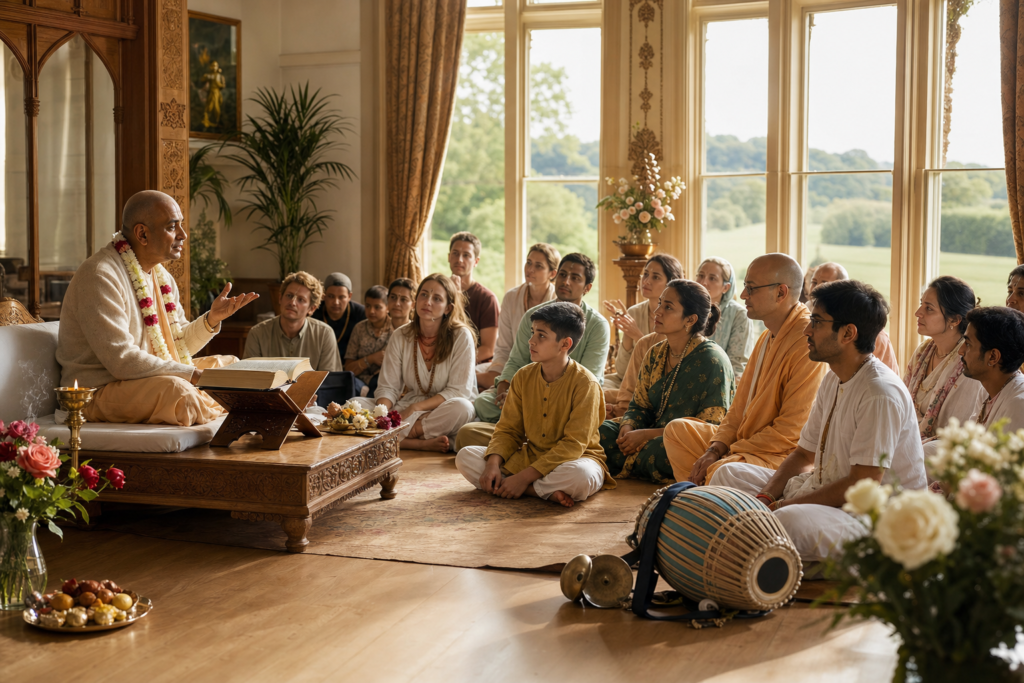
Tradition situates the Peetham’s lineage in the Advaita stream, with daily worship centered on Sri Chandramouliswara and Sri Tripura Sundari. This liturgical coreanchored in Veda parayanam, abhishekam, alankaram, and deeparadhanacreates a steady cadence throughout the month. The experience most visitors recall is the soundscape: the resonance of Sri Rudram-Chamakam in the mornings, the cadences of Lalita Sahasranama on auspicious days, and the serene glow of lamps during evening arati.
Because pujas in March are fixed by tithi and nakshatranot merely the solar datedevotees should plan around local panchangam for Kanchipuram. Practical planning follows a simple rule: tithis begin and end at varying times of day, and temples customarily observe the tithi that prevails at sunrise (or per local tradition for specific vratas). This is especially relevant for Ekadashi, Pradosham, Purnima, Amavasya, and Sankashti Chaturthi rites that pattern the month.
Daily (nitya) worship at the Peetham typically includes early Veda parayanam and routine upacharas to the presiding deities, with the Chandramouliswara Puja conducted after dusk. The nitya cycle often integrates stotra parayanamVishnu Sahasranama on auspicious Vaishnava days and Lalita Sahasranama and Trishati on Shakta-specified daysdemonstrating the Peetham’s harmonizing approach across sects.
Ekadashi vratas occur twice during March 2026once in the Krishna Paksha and once in the Shukla Paksha. In this seasonal window, these fasts often correspond to Papamochani Ekadashi (Krishna Paksha, pre-Chaitra) and Amalaki Ekadashi (Shukla Paksha, close to Chaitra), though precise observance follows the locally prevailing tithi. At the Peetham, Ekadashi commonly features Vishnu Sahasranama parayanam, readings from the Puranas relevant to the vrata, and a reflective emphasis on sattva, moderation, and japa.
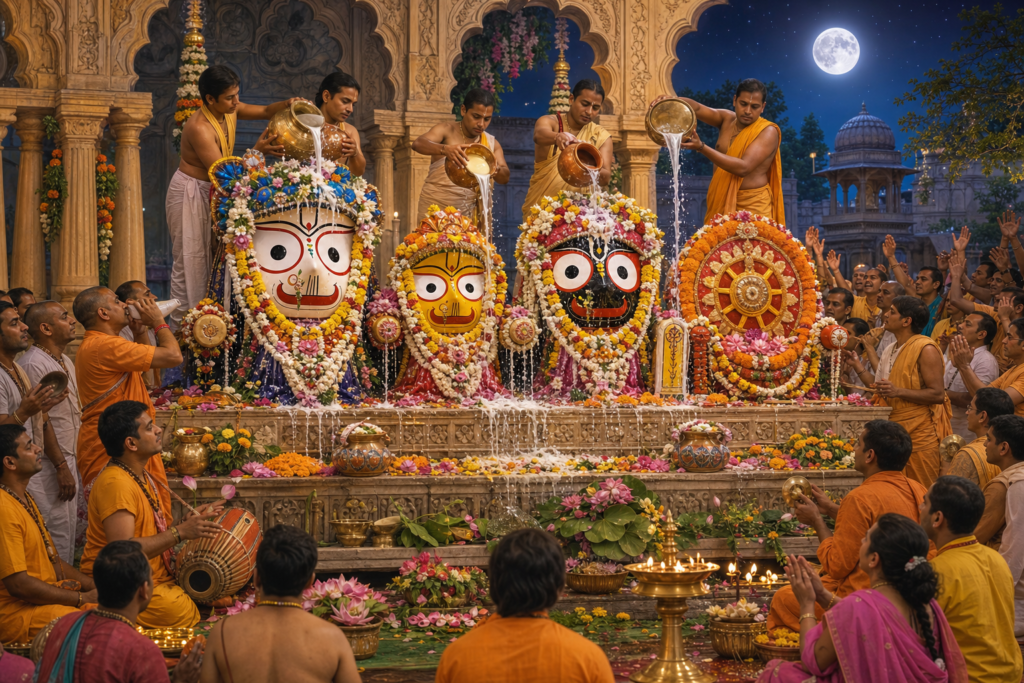
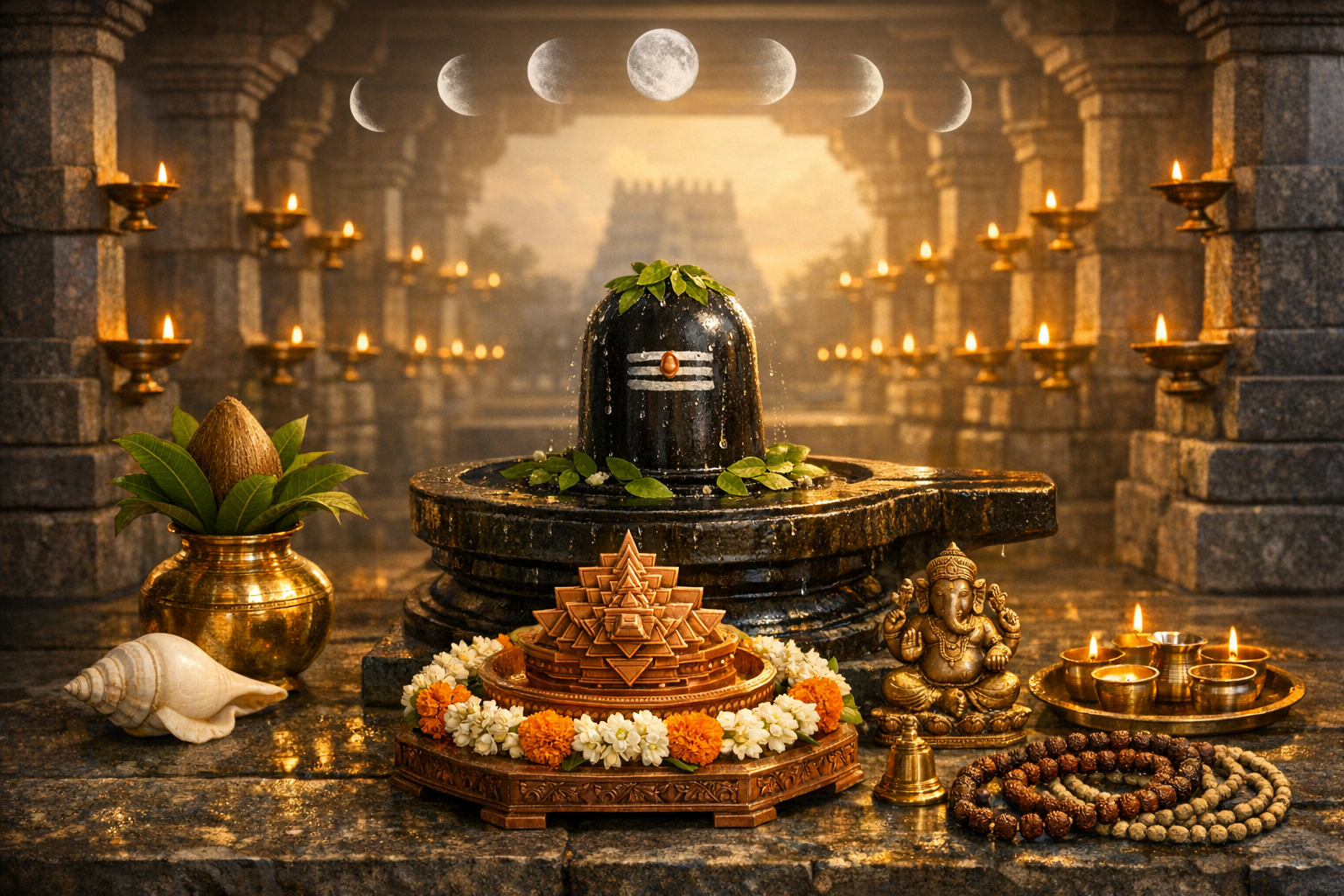
Pradosham (Trayodashi) typically appears twice each lunar month and is one of the most evocative Shaiva highlights. Devotees can expect a focused abhishekam to Sri Chandramouliswara, with sacred substances such as water, milk, curd, honey, ghee, and bilva leaves used as per tradition. The concluding deeparadhana, accompanied by the recitation of Sri Rudram or Panchakshari japa, is widely described by visitors as a moment of quiet luminosity, when the temple soundscape seems to soften into stillness.
Purnima and Amavasya punctuate March with contrasting, complementary emphases. Purnima at the Peetham is often marked by Sri Chakra archana to Sri Tripura Sundari, recitation of Lalita Sahasranama, and extended parayanam. Amavasya highlights pitru tarpanam and inward-oriented japa and dhyana. In the wider civilizational landscape, Falgun Purnima is associated with Holi/Dol Purnima across many regions; in Tamil country, the broader Masi–Panguni span also carries temple-specific observances that honor kama-dahana and the season’s shift toward Panguni.
Masik Sankashti Chaturthi and Masik Vinayak Chaturthi fall once each lunar month and are typically observed through Ganesha Atharvashirsha parayanam, modaka naivedyam, and arati to Sri Vighneshwara. Devotees who time a visit to coincide with Sankashti Chaturthi often engage in an evening moon-sighting (where customarily observed) before partaking in prasada.
Tamil Panguni Uttirama festival day traditionally associated with sacred marriage (kalyanam) rites of deities across many Tamil templesfrequently falls in March. In Kanchipuram, the city’s temples commemorate the occasion with processions, music, and special upacharas. The Peetham’s liturgical marking complements such celebrations by emphasizing domestic harmony (grihastha-dharma), collective well-being (loka-sangraha), and meditative remembrance (smarana).
Chaitra’s arrival sets the stage for the spring cycle that, in some years, approaches Chaitra Navaratri and Sri Rama Navami soon after. Even when these observances fall in April in a given year, the preparatory spiritual tone in late March is unmistakablecleaning of puja spaces, increased parayanam, and a shared emphasis on satya, shama, and daya across households and mutts.
From a ritual-technical standpoint, visitors can expect a canonical sequence during major abhishekams: sankalpa (statement of intent), gana-puja, kalasha-sthapana, mantra-snapana with panchamrita and dravya abhishekam, alankaram with flowers, vastra, and ornaments, followed by stotra parayanam and deeparadhana. Where homa is performed, the sequence includes agnyadhana, ahutis with prescribed mantras, and purnahuti; however, the Peetham’s daily core frequently emphasizes archana, abhishekam, and parayanam.
To translate tithi to a practical plan, consulting a panchangam prepared for Kanchipuram’s latitude-longitude and Indian Standard Time is crucial. Observances can differ by tradition (e.g., drik vs. vakya panchanga rules), and the Peetham will adhere to its established custom. Devotees typically time arrival before sunrise on special tithis to secure unhurried darshan, or before dusk on Pradosham days for the Shaiva abhishekam.
The Peetham’s cadence supports both collective participation and solitary inward practice. Devotees often carry personal japa malas, aligning their mantra count with the ritual phasesRudram for Shaiva devotion, Vishnu Sahasranama for Vaishnava observance, and Lalita Sahasranama for Shakta sadhana. This integrative approach exemplifies unity within Hindu spirituality, while reflecting values widely cherished across dharmic traditions.
Etiquette is simple and rooted in reverence: modest attire, silence near sanctums, and mindful movement during parayanam. Photography is customarily restricted; one should seek explicit guidance on-site. Those requesting sankalpa typically provide a gothra and name; many prefer to prepare these details on paper to facilitate orderly inclusion during archana.
Climate-wise, March in Kanchipuram trends warm (daytime highs often in the low-to-mid 30s °C). Light cotton clothing, adequate hydration, and early arrivals mitigate fatigue. Footwear is left outside temple precincts; carrying a small cloth for seating during parayanam or extended arati can make participation more comfortable.
For first-time visitors, a well-loved spiritual itinerary integrates Kanchi’s plural sanctity in a single day: morning darshan at Kamakshi Amman (Shakta), mid-day darshan at Varadaraja Perumal (Vaishnava), an afternoon visit to Ekambareswarar (Shaiva), and the evening Chandramouliswara Puja at the Peetham. Many recount that this tri-fold rhythm settles the mind and evokes a felt sense of unity in diversityan ethos cherished across Hindu, Buddhist, Jain, and Sikh spiritual sensibilities.
While the specific festival emphases differ among dharmic paths, the shared lunisolar pulse fosters a sense of civilizational kinship. A focus on inner refinement (shila, daya, and dhyana), restraint (upavasa and vrata), and remembrance (smarana) is common ground. The Peetham’s March observances, therefore, speak not only to sectarian devotion but to a broader dharmic commitment to harmony, contemplation, and service.
Across March 2026, the guiding practice remains steady: align with the local panchangam for Ekadashi, Pradosham, Purnima, Amavasya, and Sankashti; arrive early; listen for the mantras; let the ritual grammar carry the mind inward. Devotees consistently note that the month’s transition from Phalguna to Chaitra, and from Masi to Panguni, brings a quietly ascending moodmore light, more color, and a collective readiness for the spring sacraments that follow soon after.
In summary, March 2026 at Kanchi Kamakoti Peetham is best approached tithi-first and heart-forward. The month’s highlightsEkadashi worship, the two Pradosham abhishekams, Sri Chakra-focused Purnima, inward Amavasya rites, and Ganesha’s monthly vratasare framed by steady Vedic recitation and compassionate temple discipline. Visitors who plan with these anchors in mind invariably describe a balanced experience: learned yet devotional, structured yet deeply personal.
Inspired by this post on Hindu Pad.