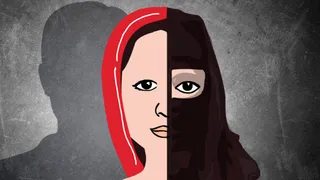
In a preparatory meeting ahead of the Maharashtra Mandir Mahasangh state-level convention, temple trustees from Savarde and Sarand in Ratnagiri district resolved to install clearly worded dress code boards at local temples. The stated objective is to preserve the sanctity of temples while offering devotees unambiguous guidance about appropriate attire and conduct. This temple governance step aligns with broader efforts in India to standardize devotee-facing information that supports a calm, respectful, and inclusive darshan experience.
The introduction of dress code signage is a familiar feature across many dharmic spaces, where customs of modesty and decorum have long been upheld as part of a temple’s maryada (sacred code of conduct). By communicating expectations in advanceat entry points, queue lines, and information counterstemple committees reduce uncertainty for visitors, support priests and volunteers in their duties, and help sustain a devotional atmosphere that benefits regular pilgrims and first-time visitors alike.
Comparable practices exist across Hindu, Buddhist, Jain, and Sikh sacred spaces: removing footwear before entering sanctums, dressing modestly, covering the head in gurdwaras, and avoiding leather items in many Jain derasars, for example. These norms vary by tradition and region, yet share a common goalfostering reverence, non-disruption, and equality before the divine. Temple dress code boards, when framed positively and implemented sensitively, can therefore serve as practical instruments of unity across dharmic traditions, emphasizing respect over restriction.
From a governance perspective, such measures are consistent with the rights of religious institutions in India to manage their own affairs in matters of religion, while remaining subject to reasonable standards that uphold public order, morality, and health. Trustees typically act under state trust laws and recognized custom; in practice, clear, non-discriminatory guidelinesuniformly appliedhelp reconcile religious autonomy with public accessibility. The Maharashtra context, with its diverse and dense pilgrimage traffic, makes clarity and consistency especially valuable.
Key principles for fair and inclusive dress codes include: clarity (simple, actionable guidance), neutrality (standards applying equally to all visitors), dignity (no shaming language or images), accessibility (multilingual and icon-based communication), and reasonable accommodation (practical allowances for children, the elderly, and medical needs). Framing the guidance as an invitation to participate in the temple’s sanctityrather than as punitive rulesencourages voluntary compliance and nurtures goodwill.
Typical content for devotee-friendly signage can include: “Please wear modest attire that covers shoulders and knees,” “Remove footwear before entry,” “Maintain silence in and around the garbhagriha,” “Photography only in permitted areas,” and “Seek assistance from volunteers for any help or accommodation.” Where individual temple customs require additional practices, brief explanations preserve transparency and help visitors understand their devotional significance.
Design and placement matter. Boards are most effective when located at obvious decision pointstemple gates, ticket or token counters, prasad counters, and before sanctum queues. Multilingual text (for example, Marathi, Hindi, and English in Maharashtra) paired with universally understood icons increases comprehension across age groups and literacy levels. Non-glare materials, high-contrast typography, and weather-resistant finishes enhance legibility and longevity, especially in coastal districts such as Ratnagiri.
Accessibility should be integral. Including pictorial cues, concise text, and placement at wheelchair and child eye-levels ensures that guidance reaches everyone. Positive phrasing“Kindly use the shawls provided if needed”and the availability of simple cover-ups at entry help visitors comply without embarrassment. Such design choices communicate the temple’s commitment to seva (service) while preserving ritual decorum.
An implementation roadmap for Savarde and Sarand temples can proceed in phases: (1) documenting existing customs and any specific local practices; (2) drafting standard text and iconography for dress code boards; (3) translating and vetting language for clarity and cultural sensitivity; (4) deciding placements through a brief on-site audit; (5) piloting boards during regular days; and (6) refining copy and placement based on volunteer and devotee feedback before high-footfall festivals.
Volunteer orientation further strengthens adoption. Briefings can cover how to guide devotees courteously, handle edge cases with empathy, and escalate only when necessary. Clear escalation pathwaystrustees, senior volunteers, or a help deskensure consistency and prevent ad hoc decisions. In turn, devotees experience a coherent, humane approach that reinforces trust in temple administration.
Monitoring and evaluation close the loop. Simple indicatorsinstances of confusion or disputes at entry, queue flow during peak hours, feedback from families and elderly pilgrimsenable committees to iteratively improve signage. Periodic reviews before major utsavs help ensure the boards keep pace with seasonal needs and local festival practices, keeping the message current and effective.
Beyond Maharashtra, temples and other dharmic institutions across India and the diaspora increasingly rely on concise codes of conduct to balance openness with sacred discipline. When dress code boards emphasize shared valuesrespect, cleanliness, and compassionthey become instruments of welcome rather than barriers, showing how tradition and modern visitor management can coexist harmoniously.
During high-attendance periodsNavaratri, Mahashivaratri, or local jatrassupplementary, temporary boards and volunteer marshals can reinforce the message where crowd flow is most intense. Short digital sign snippets or QR codes linking to a one-page “Plan Your Darshan” guide (timings, queues, facilities, and etiquette) further reduce uncertainty for out-of-town guests while easing pressure on staff and priests.
The step taken by trustees from Savarde and Sarand is a modest intervention with outsized benefits: a calmer sacred environment, a more predictable devotee journey, and a clearer expression of each temple’s unique maryada. Properly framed and compassionately implemented, dress code boards help protect temple sanctity while affirming the inclusive ethos shared across Hinduism, Buddhism, Jainism, and Sikhismunity through mutual respect, and reverence expressed in everyday practice.
Inspired by this post on Hindu Jagruti Samiti.