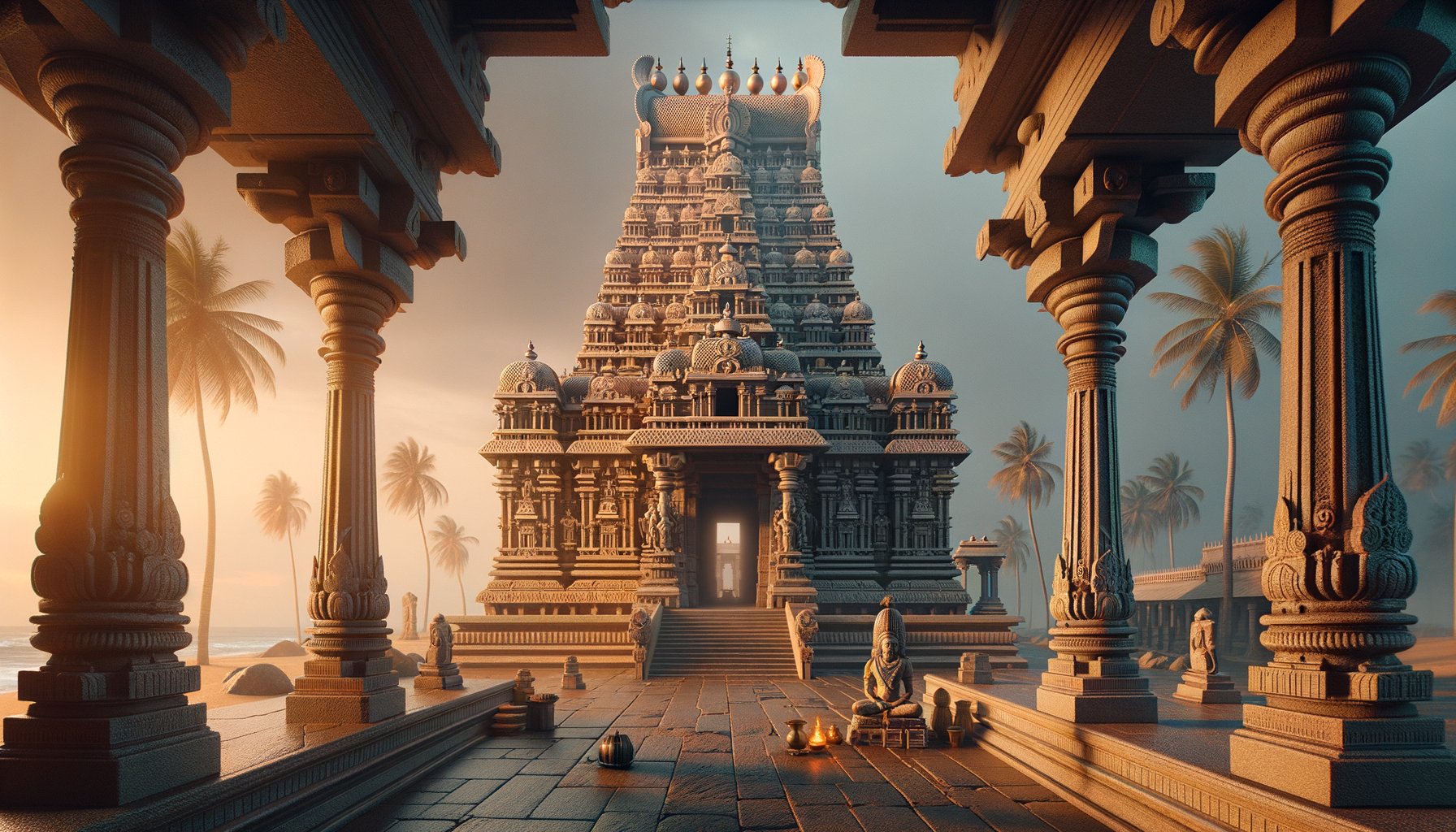
Sri Sthalasayana Perumal Temple in Mahabalipuram (Mamallapuram) stands as a distinguished Divya Desam, celebrated for its Dravidian architecture and enduring devotional legacy. Revered in the Divya Prabandhamthe sacred Tamil hymns composed by the Azhwar saintsthe temple offers a rare confluence of history, literature, and living worship dedicated to Lord Vishnu.
Sanctified by centuries of Vaishnava devotion, the shrine is renowned for its portrayal of Vishnu in a reclining (sayana) posture distinctive to this site, a visual theology that conveys rest, refuge, and grace. The temple’s association with the Azhwar saints embeds it deeply within Tamil bhakti traditions, where poetic praise and temple ritual harmonize to sustain communal memory and spiritual practice.
Architecturally, Sthalasayana Perumal Temple reflects Pallava-period artistry, later refined through Vijayanagara-era renovations. The layered construction, proportionate gopuram elements, and granite detailing exemplify the hallmarks of South Indian temple architecture, while the sanctum’s intimate scale preserves an atmosphere of contemplative stillness. In the wider landscape of Mahabalipuram’s monumentsnear the UNESCO World Heritage ensemblethe temple complements the region’s heritage of stonecraft and sacred design.
Within the sanctum, devotees venerate Sthalasayana Perumal alongside the consort Nilamangai Thayar, underscoring the theological completeness of compassion and protection central to Vaishnava thought. As one of the 108 Divya Desams, the site occupies a significant position in Tamil Nadu’s pilgrimage routes, drawing pilgrims who seek both architectural beauty and the transformative presence conveyed through Divya Prabandham recitation and daily temple rituals.
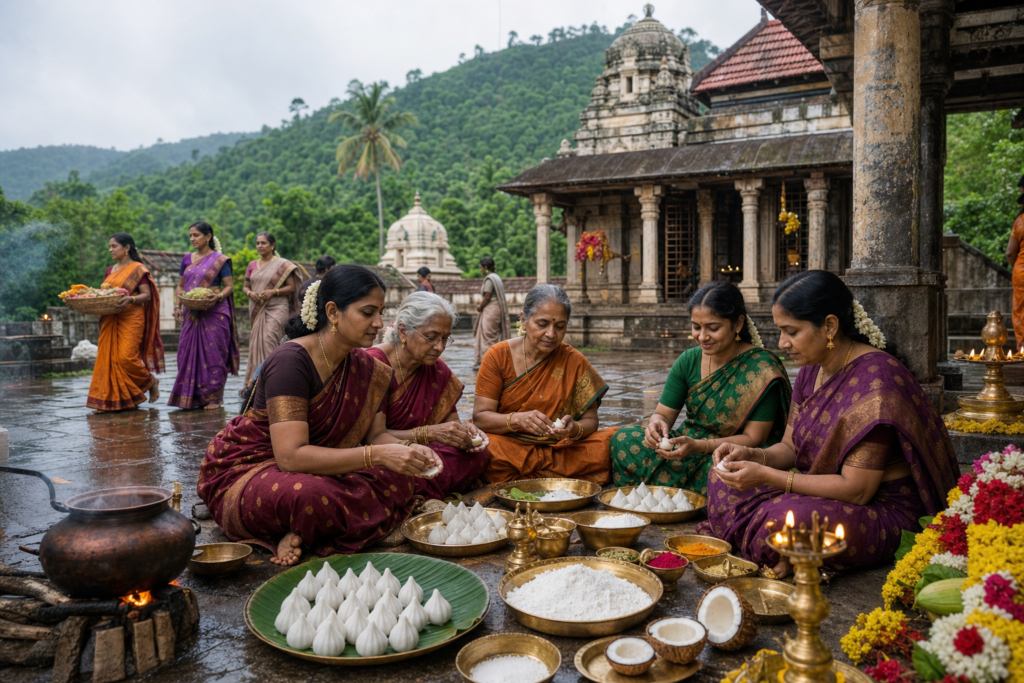
Visitors frequently remark on the temple’s serene ambience: the soft cadence of Vedic chanting, the filtered light in pillared halls, and the coastal breeze that carries the quietly resonant soundscape of Mahabalipuram. These sensory impressions, often described with genuine emotion, help situate personal experience within a wider cultural continuum, making the temple an accessible gateway for those exploring South Indian temples for the first time as well as for seasoned pilgrims.
In a spirit aligned with the shared civilizational values of dharma, the temple’s setting and history invite a broader appreciation across Hinduism, Buddhism, Jainism, and Sikhism. The site’s devotion to Lord Vishnu, the literary heritage of the Azhwar saints, and the stoneworking traditions of the Coromandel coast collectively highlight compassion, discipline, and reverencevirtues embraced across dharmic traditions and essential to cultural harmony.
Practical considerations enhance the experience: located in central Mahabalipuram, the temple pairs naturally with visits to the Shore Temple, Pancha Rathas, and cave shrines. Early mornings and late afternoons typically offer the most tranquil atmosphere. Modest attire, respectful silence within the inner halls, and attention to local customs support the sanctity of the space while enriching understanding of South Indian temple culture.
Inspired by this post on Hindu Pad.