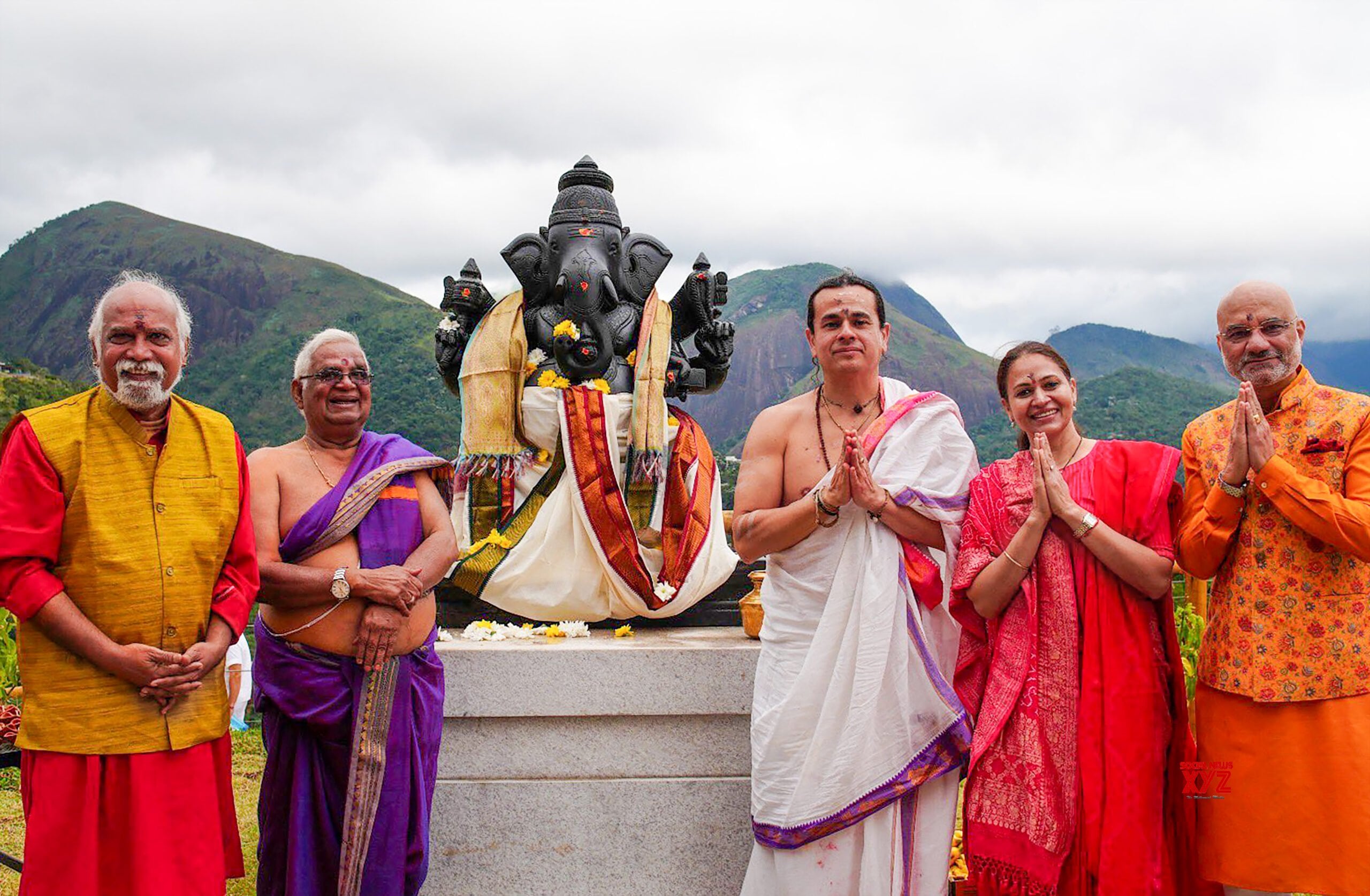
On 9 May 2026, Indian Ambassador to Brazil Dinesh Bhatia joined Brazilian teacher Jonas Masetti at Centro Cultural Vishva Vidya in Petrópolis for a landmark Pran Pratishtha ceremony of a Lord Ganesha murti. Widely described as the first formal consecration of its kind in the Latin America region, the event marked a significant milestone for Hinduism in Brazil and for the broader family of dharmic traditions on the continent.
Community imagery and reports captured a ceremony that blended exacting Vedic liturgy with distinctly Brazilian warmth, illustrating how cultural diplomacy and spiritual practice can converge. Ambassadorial participation highlighted India’s soft power and the growing resonance of Hindu culture among Brazilians and the wider Hispanic and Latino communities.
While murtis and shrines to Lord Ganesha may already exist in private homes and smaller settings across the Americas, organizers emphasized the public, textually grounded nature of this consecration within a cultural and educational center devoted to Vedic learning. This visibility helps explain why the occasion has been referenced as a regional first in several accounts.
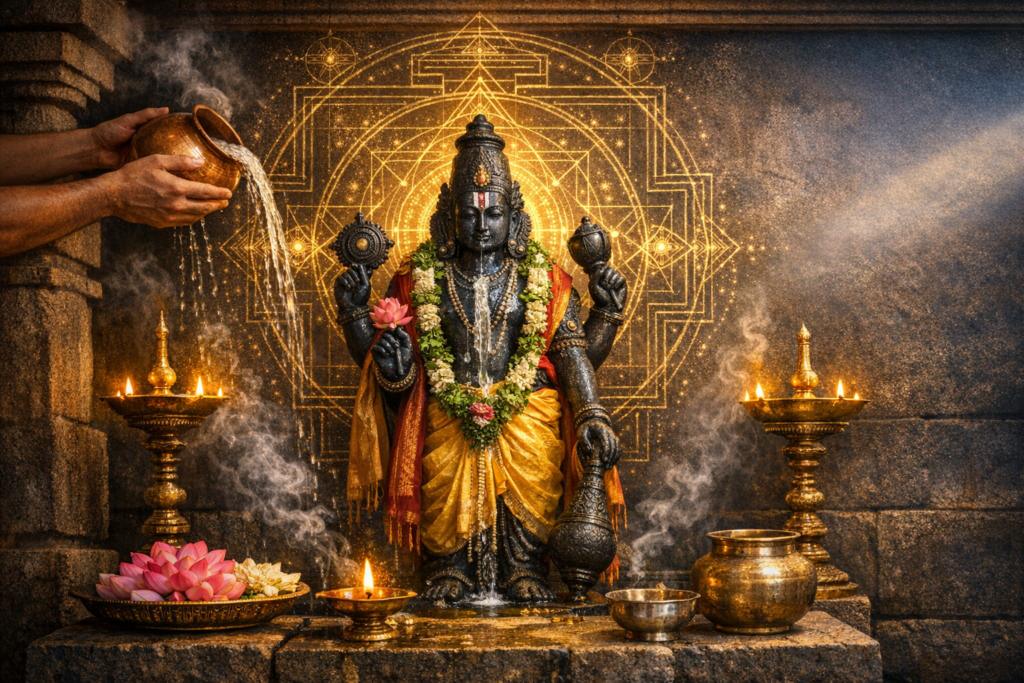
Pran Pratishtha—literally the establishment of life-breath—denotes the formal invocation of divine presence into a consecrated image (murti) in accordance with Agama Shastra and allied ritual manuals. Across Smarta, Shaiva, and Vaishnava lineages, the canonical sequence typically includes sankalpa (ritual resolve), purification (achamana, prokshana), protective encirclement (raksha), kalasha-sthapana, homa, nyasa, netronmilanam (opening of the eyes), and the culminating pranapratistha mantras that invite chaitanya (consciousness) into the deity’s form. Thereafter, Shodashopachara or Pancha-upachara inaugurates the routine of nitya-puja.
For a Ganesha murti, ritualists often draw on mantras and symbolism preserved in the Ganapatya tradition and Puranic sources such as the Mudgala Purana and Skanda Purana. The broken tusk conveys the sacrifice made for wisdom; the modaka signifies the sweetness of realized knowledge; the mouse vahana represents the disciplined, sublimated mind; and the right-turned trunk (when present) hints at a more rigorous mode of sadhana. These semiotics make Lord Ganesha especially apt for inaugurating sacred spaces in new cultural geographies.
Temple science from Shilpa Shastra and Vastu Shastra guides material selection, orientation, and spatial flow. Whether panchaloha, stone, or wood, the murti’s proportions (tala) and iconographic canons (lakshana) safeguard sanctity and aesthetic coherence. In diaspora contexts, architects and priests adapt these principles to local codes, configuring compact sancta (garbhagriha), balipeethas, and congregational areas that honor tradition while meeting civic requirements.
The Petrópolis ceremony also reflected a broader Latin American pattern: seekers without Indian ancestry engaging Hindu theology through Portuguese- and Spanish-language pedagogy, kirtan, yoga, and meditation. The leadership of Brazilian teacher Jonas Masetti exemplified localized instruction that preserves fidelity to Sanskrit sources while rendering Advaita Vedanta and bhakti practice intelligible to new audiences.
Equally notable was the community’s emphasis on invitation rather than proselytization. Consistent with the shared civilizational ethics of Hinduism, Buddhism, Jainism, and Sikhism—ahimsa (non-harm), dana/seva (service), introspection, and respect for plural paths—the center positioned itself as a haven for sincere study and practice. Rather than advocating “conversion rituals,” organizers prioritized intercultural orientation, comparative philosophy, and open access to puja, satsang, and seva for all who wish to participate in a spirit of mutual respect.
Responsible growth of Hindu spaces in Brazil benefits from priestly training that extends beyond liturgy: cross-cultural communication, Portuguese and Spanish language skills, local legal compliance, child and vulnerable-person safeguarding, and interfaith literacy. Such competencies strengthen community cohesion, encourage constructive interreligious dialogue, and ensure that sacred rites—especially Pran Pratishtha—are conducted with textual rigor and social sensitivity.
The presence of India’s envoy underscored the role of diplomacy in nurturing cultural bridges. Public participation by dignitaries signals legitimacy and creates platforms for collaboration with universities, municipal authorities, and civil-society organizations—turning a single consecration into a catalyst for sustained cultural exchange, research partnerships, and community service initiatives.
Attendees described the atmosphere as meticulous and moving: the cadence of Vedic mantras interwoven with Portuguese explanations, the fragrance of sambrani mingled with local florals, and a collective hush during netronmilanam when, in many hearts, the murti appeared to “awaken.” For families and students encountering Lord Ganesha for the first time, the moment offered a tangible entry point into dharmic symbolism and contemplative disciplines.
Consecration inaugurates responsibility. In the wake of such rites, institutions typically establish a rhythm of nitya-puja, weekly satsangs, children’s classes in ethics and stories, language and music instruction, and festival observances such as Ganesh Chaturthi. Community service—food distribution, environmental stewardship, and cultural literacy workshops—often becomes the outward expression of inner worship, resonating with Sikh seva, Buddhist metta, and Jain ahimsa.
Technically inclined observers may note that diaspora Pran Pratishthas frequently involve careful adaptations: calibrated mantras for locally crafted murtis, translation bridges for sankalpa statements, and coordination across Smarta and Vaishnava protocols to accommodate multi-lineage communities. These refinements preserve orthopraxy while honoring the plural, lay-led reality of global Hinduism.
Viewed in total, the Petrópolis consecration represents more than a ceremonial milestone. It signals the maturation of Hinduism in Latin America, the promise of respectful interfaith harmony, and a shared dharmic commitment to wisdom, compassion, and service. In the auspicious presence of Lord Ganesha, new doors have opened—for study, for community life, and for unity across the broader dharmic family.
Inspired by this post on Hindu Human Rights Blog.