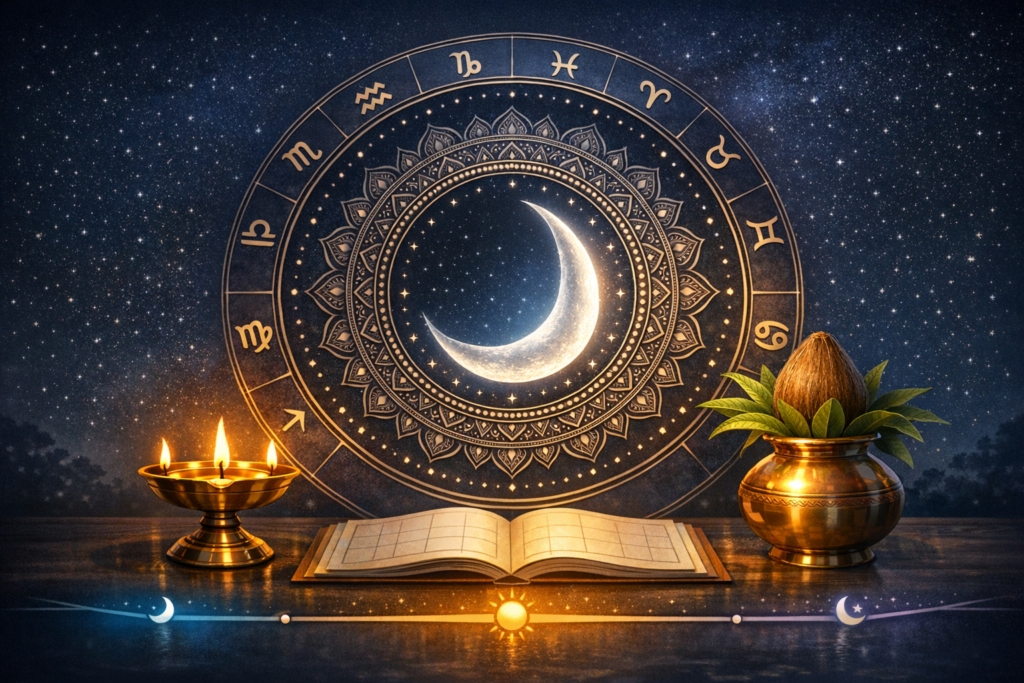
Sunday, November 30, 2025, in the Panchang (Hindu calendar) marks Shukla Paksha Dashami, the tenth lunar day in the waxing phase of the Moon observed across most regions. The tithi transitions on this date from Dashami to Ekadashi, offering a meaningful bridge between steady effort and reflective devotion within the lunar cycle.
As per the given timing, Shukla Paksha Dashami tithi prevails until 4:10 PM on November 30, 2025. From 4:10 PM onward, it becomes Shukla Paksha Ekadashi tithi, the eleventh lunar day in the light half of the month. Because Panchang calculations are location-specific, practitioners are advised to verify local timings through a regional Panchang or temple calendar.
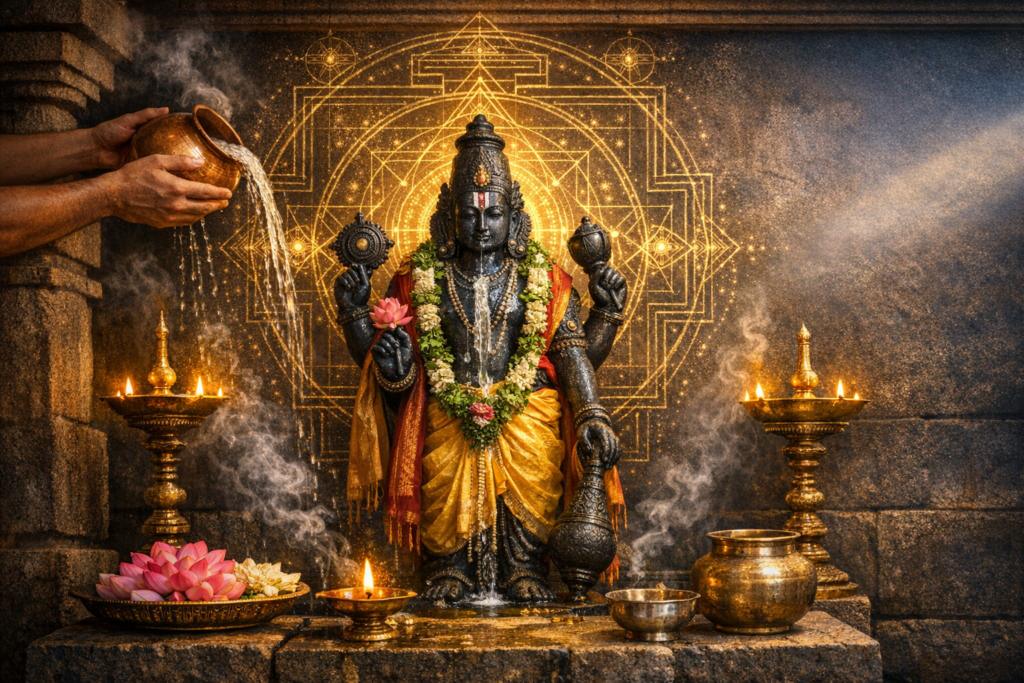
This date carries a quiet resonance for dharmic communities. Many Hindu households observe Dashami with regular prayers and preparation for Ekadashi, while the onset of Ekadashi invites fasting, restraint, japa, and seva according to personal capability. The rhythm of the lunar calendar also echoes across Buddhism, Jainism, and Sikh traditions—where reflective practices, dana, and remembrance often align with luminous lunar phases—strengthening a shared civilizational ethos of compassion, discipline, and unity.
Good Time (shubh muhurta) on any given day depends on several factors, including sunrise, the prevailing Nakshatra, and the local Panchang computations of Rahu Kalam, Gulika Kalam, and Yamaganda. As these are highly location-dependent, identifying auspicious hours for puja, sankalpa, or community activities is best done with one’s regional calendar or trusted temple advisory. This approach preserves accuracy while honoring local tradition.
Nakshatra and Rashi on November 30, 2025, may vary by region and by the exact time of consultation. For precise Nakshatra and Rashi relevant to personal observance, practitioners should refer to their city-specific Panchang or consult a qualified astrologer. Aligning practices with the correct Nakshatra and Rashi supports mindful timing and continuity with established dharmic customs.
For observance, many families choose to complete day-time devotions during Dashami and then welcome Ekadashi at or after the tithi transition. Those following Ekadashi vrat may adopt full or partial fasting, emphasize satvik meals, and devote time to dhyana, paath, and service. Simple shared acts—lighting a lamp at dusk, reciting the Gita or Dhammapada verses, engaging in bhajans or simran, or offering dana—create collective well-being while reflecting the inclusive spirit of the Daily Hindu Calendar and Panchang traditions.
In academic and practical terms, this day’s key elements include: Shukla Paksha Dashami (until 4:10 PM), transition to Shukla Paksha Ekadashi (post 4:10 PM), and location-based determination of auspicious hours, Nakshatra, and Rashi. Integrating these with personal sankalpa supports a balanced spiritual routine grounded in the Hindu calendar and respectful of the wider dharmic landscape.
For accuracy, practitioners may corroborate timings with local temple notices or regional almanacs. Observing the day with humility, inclusivity, and attention to detail nurtures unity among dharmic traditions and keeps the shared lunar heritage vibrant and relevant.
Inspired by this post on Hindu Blog.