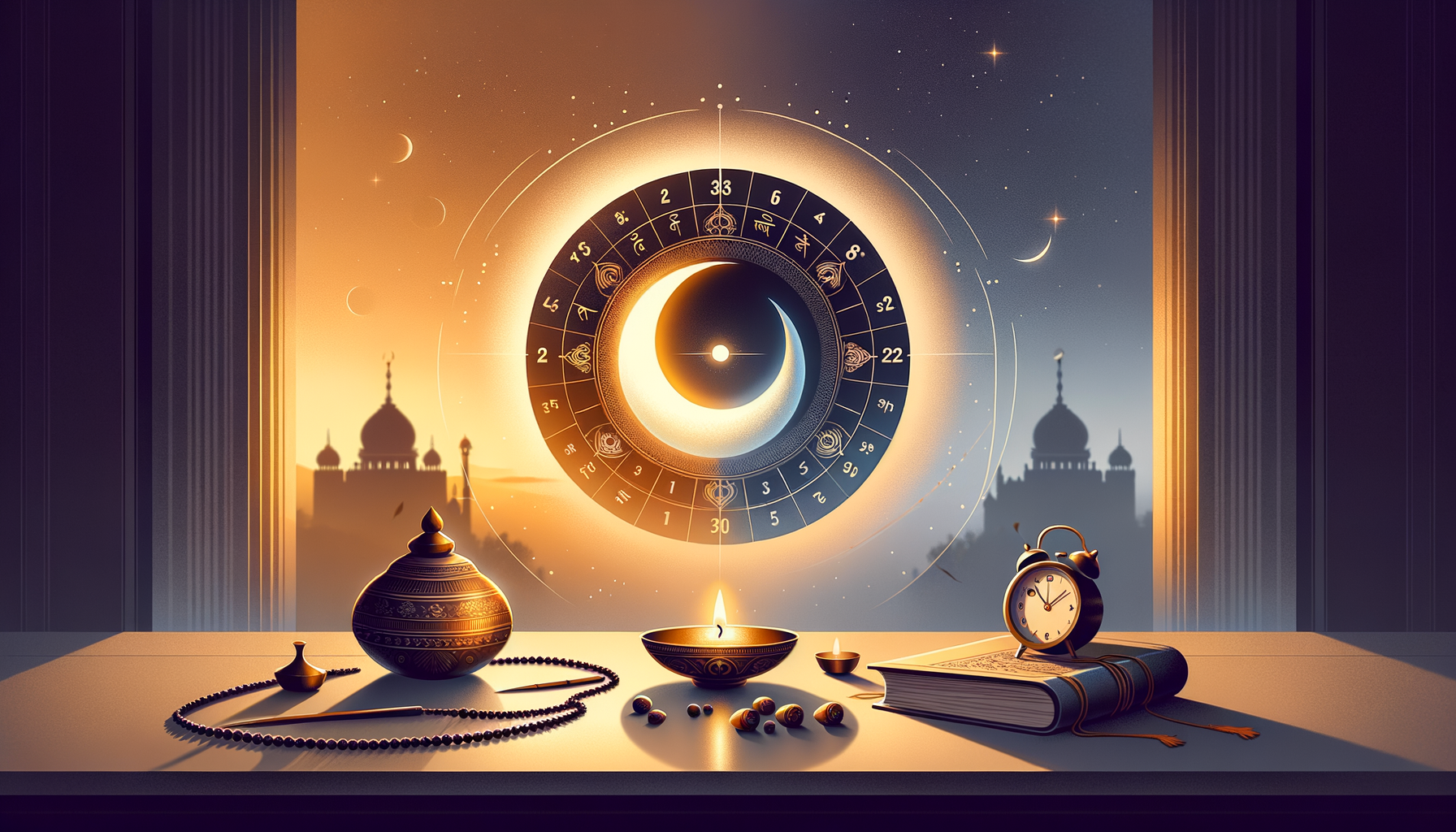
On Thursday, October 23, 2025, the Panchang in most regions records the day as falling in the bright fortnight of the Hindu Calendar. The day begins with Shukla Paksha Dwitiyathe second lunar day in the waxing phasecontinuing until 8:22 PM on October 23, after which it transitions into Shukla Paksha Tritiya, the third lunar day. This sequence offers a clear structure for observances, planning, and reflective practice aligned with traditional time-reckoning.
The presence of Shukla Paksha signals an auspicious ascent of lunar energy, classically associated with clarity, renewal, and constructive beginnings. Dwitiya is often regarded as favorable for initiating gentle tasks, clarifying intentions, and engaging in learning or community support. With the evening shift to Tritiya, the focus traditionally expands to steady progress, disciplined practice, and harmonizing personal effort with collective well-being.
While Nakshatra and Rashi details refine day-planning further, the Tithi itself provides a reliable anchor for daily rhythm. Practitioners often align activities with muhurta windows and remain mindful of intervals such as rahu kalam and gulika. In the absence of localized astronomical entries here, consulting a regional Panchang or trusted temple almanac for precise Nakshatra, Rashi, and “good time” guidance enhances accuracy.
In practical terms, many households find Shukla Paksha Dwitiya conducive to setting intentions, beginning studies, or renewing commitments to seva and family cohesion. As Tritiya commences in the evening, steady, process-oriented worksuch as organizing, documenting, or sustained contemplative practicetends to resonate with the day’s evolving tenor. These alignments, while indicative, should be adapted with sensitivity to personal duties and local customs.
Lunar observances like Tithi are woven across the shared civilizational tapestry of Hinduism, Buddhism, Jainism, and Sikhism. Though calendars and emphases differ, the broader dharmic ethos values mindful timekeeping, ethical action, and community harmony. Recognizing this common ground fosters unity in spiritual diversity and supports an inclusive appreciation of sacred time across traditions.
For those cultivating a daily practice, the day invites accessible disciplines: brief dhyana for mental clarity, compassionate outreach for community bonding, and scriptural or ethical reflection to orient action. Even simple habitssuch as mindful breathing before major decisionscan align one’s inner rhythm with the auspicious flow suggested by the Panchang.
Regional variations in Panchang calculations may occur due to longitude, latitude, and traditional parameters. The notations “in most regions” and the time marker “till 8:22 PM” reflect this variability. For precise observanceespecially for rituals, vow timings, or temple visitsreference to a local almanac, priest, or authoritative astronomical source is recommended.
Anchoring the day in Shukla Paksha Dwitiya moving into Tritiya provides a steady framework: begin with clarity, continue with resolve. In this way, the Hindu Calendar and Panchang offer not only temporal markers but also a gentle, time-tested guide to living with purpose and harmony.
Inspired by this post on Hindu Blog.