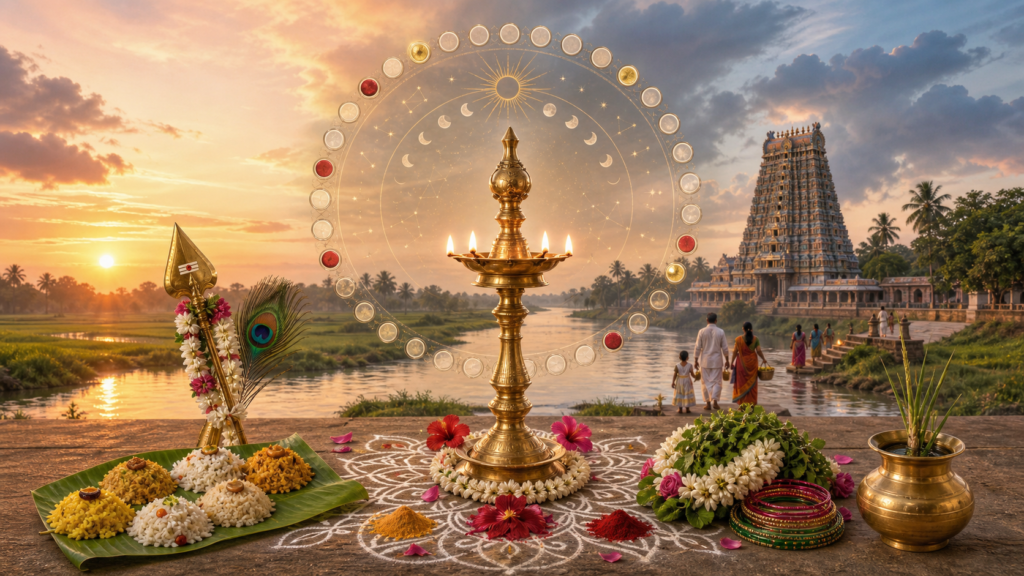
On Thursday, January 15, 2026, the Hindu calendar (Panchang) notes Krishna Paksha Dwadashithe twelfth lunar day of the waning or dark phase of moonin most regions. This Dwadashi tithi prevails until 8:09 PM, after which the day transitions into Krishna Paksha Trayodashi, the thirteenth lunar day.
Understanding this shift from Dwadashi to Trayodashi can help align daily observances with traditional rhythms. Dwadashi is often associated with steady, reflective practices and sustaining vrata observances, while Trayodashi is traditionally linked in many communities with evening observances such as Pradosha; practitioners typically confirm exact suitability with a local Panchang due to regional calculations.
Auspicious time (Shubh Muhurat) on such days is determined by local sunrise, latitude–longitude, and regional Panchang rules. In the absence of location-specific muhurta data here, many families consult their city’s Panchang to identify favorable windows for puja, dana (charity), japa, and other satvik activities. This approach maintains fidelity to the Daily Hindu Calendar while honoring local variations.
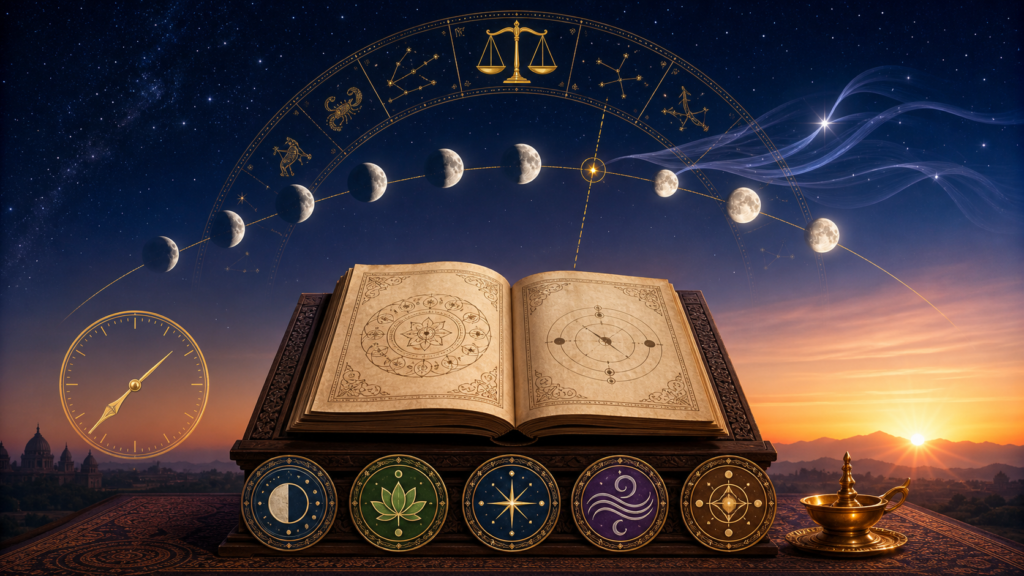
Nakshatra and the Moon’s Rashi further refine the day’s guidance, especially for sankalpa, travel planning, and personal rituals. Because Nakshatra and Rashi can vary with place and calculation parameters, referencing a regional Panchang or temple noticeboard ensures accuracy for individual needs.
Many households find a gentle rhythm in observing the waning fortnight (Krishna Paksha): mornings devoted to quiet prayer, afternoons to mindful work, and evenings to introspective practices. Aligning with the tithiDwadashi’s steadiness followed by Trayodashi’s preparatory energyoften brings emotional clarity and a renewed sense of purpose.
While Panchang usage is most closely associated with Hindu traditions, the shared appreciation for lunar cycles across dharmic communitiesHinduism, Buddhism, Jainism, and Sikhismreflects a broader cultural continuity of timekeeping, reverence, and seasonal awareness. This inclusive perspective fosters unity while respecting the distinct practices and calendars within each tradition.
In summary, January 15, 2026 offers a meaningful progression from Krishna Paksha Dwadashi to Trayodashi. With Dwadashi lasting until 8:09 PM and Trayodashi thereafter, thoughtful planningguided by local Panchang for Nakshatra, Rashi, and Shubh Muhurathelps practitioners observe the day with authenticity, clarity, and spiritual steadiness.
Inspired by this post on Hindu Blog.