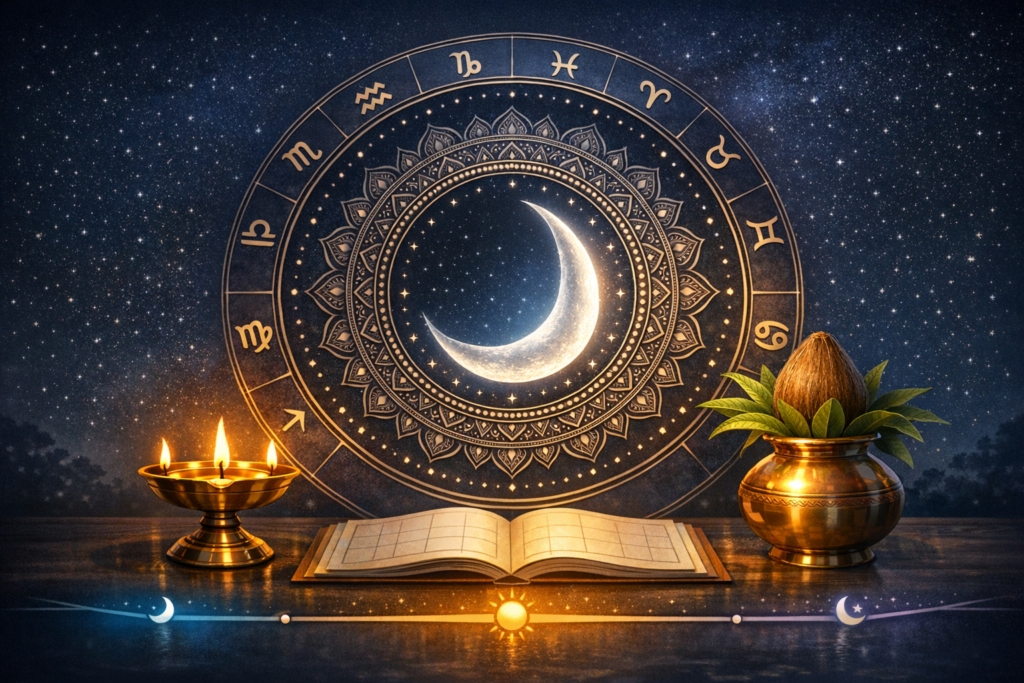
On Sunday, December 14, 2025, the Panchang (Hindu calendar) notes Krishna Paksha Dashami tithi, the tenth lunar day during the waning phase of the moon, prevailing until 8:46 PM. From that time onward, the day transitions into Krishna Paksha Ekadashi tithi, the eleventh lunar day. This clear shift in tithi on a single calendar date offers devotees practical clarity for observances, vrata planning, and simple home puja.
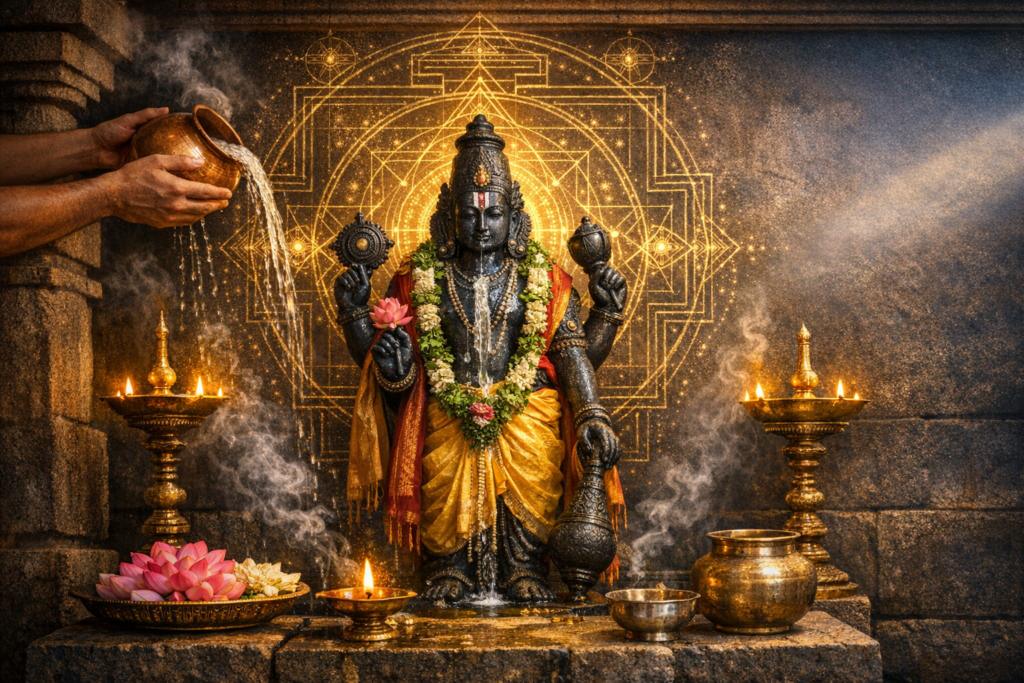
Within the Hindu calendar, Dashami is often approached as a period of steady discipline and completion of routine duties, while Ekadashi is widely revered for fasting (upavāsa), mantra-japa, and reflective living. The movement from Dashami to Ekadashi in the evening invites a gentle recalibration of one’s schedule: daily tasks and errands during the day, followed by inward-focused practices as Ekadashi begins.
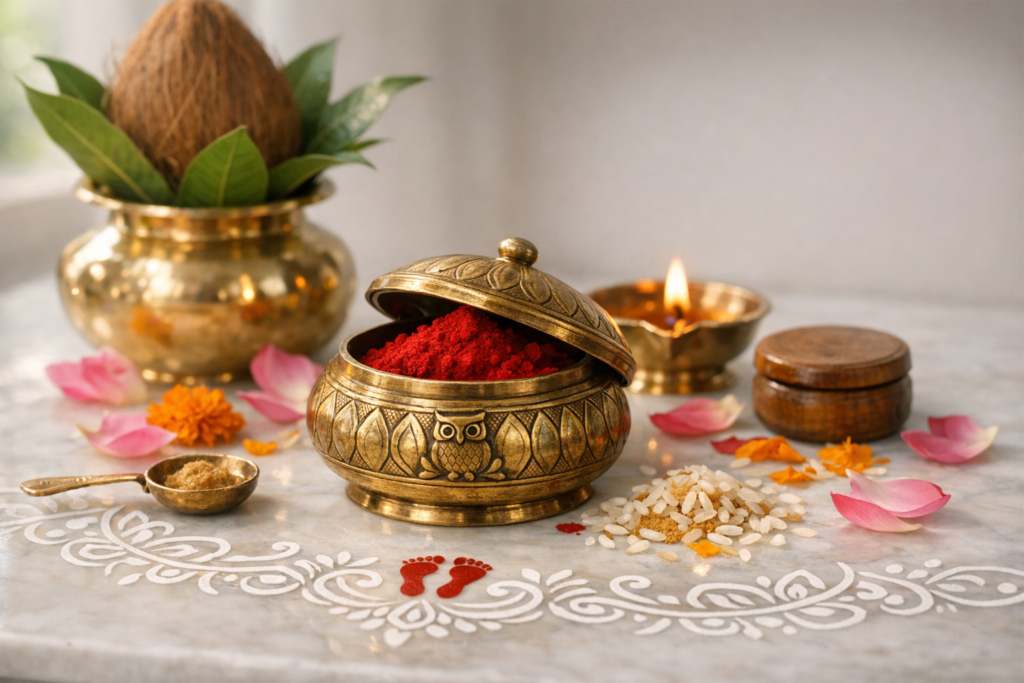
In practical terms, many households align Ekadashi vrata with the actual tithi onset after 8:46 PM, while others follow local traditions connected to sunrise calculations. For puja or meditation, a simple approach—sattvic meals, prayer, japa, and quiet study—remains appropriate throughout. Although “good time” windows (shubh muhurat) are often selected for personal rituals, the tithi transition itself provides sufficient guidance for planning. Location-specific details such as Nakshatra and Rashi for December 14, 2025 are best confirmed through a local Panchang or temple notice.
These rhythms of the Panchang encourage introspection, compassion, and ethical conduct—values cherished across dharmic traditions. Families rooted in Hinduism, Buddhism, Jainism, and Sikhism can find common ground in mindful restraint, community seva, and remembrance of the divine. Such shared practices nurture unity while honoring the diversity of customs that flourish within Dharma.
For those seeking to harmonize spiritual intent with daily life, this date offers a meaningful structure: complete worldly responsibilities under Krishna Paksha Dashami and welcome the contemplative spirit of Krishna Paksha Ekadashi as evening begins. Planning meditation, light study of scriptures, or charitable acts during this transition allows practitioners to embody the Panchang’s guidance with clarity and purpose.
Inspired by this post on Hindu Blog.