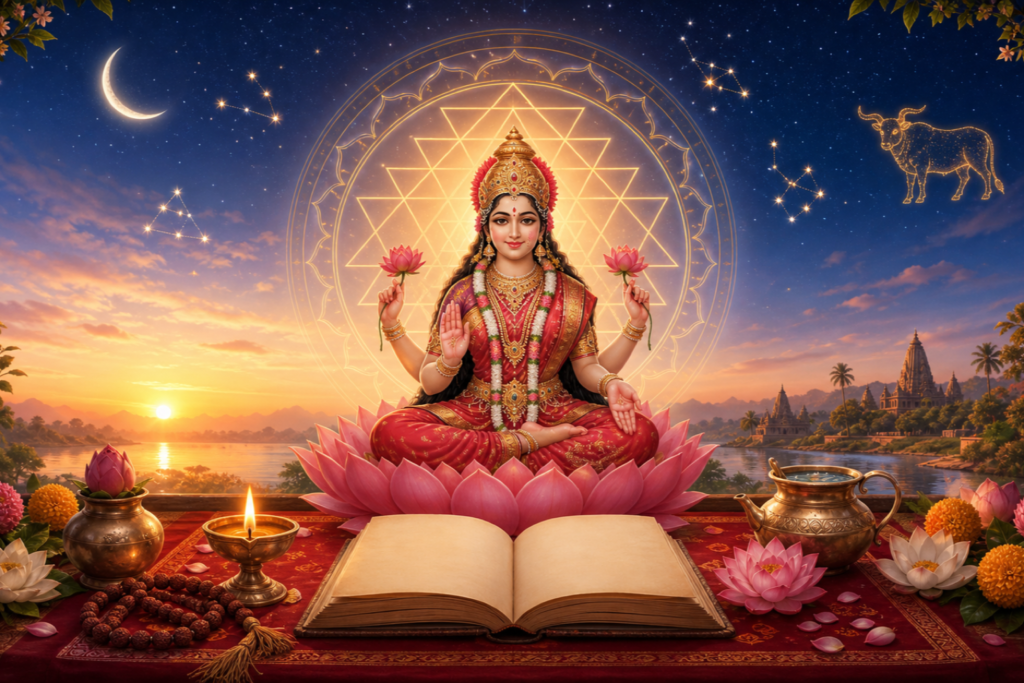
In the Hindu lunisolar calendar for 2026–2027, identified as Parabhava Nama Samvatsara, an intercalary month occurs: Adhik Maas. Also known as Adhika Masam, Mala Maas, and Purushottam Maas, this additional lunar month harmonizes the lunar cycle with the solar year and invites a period of intensified reflection, vrata, and devotion across communities.
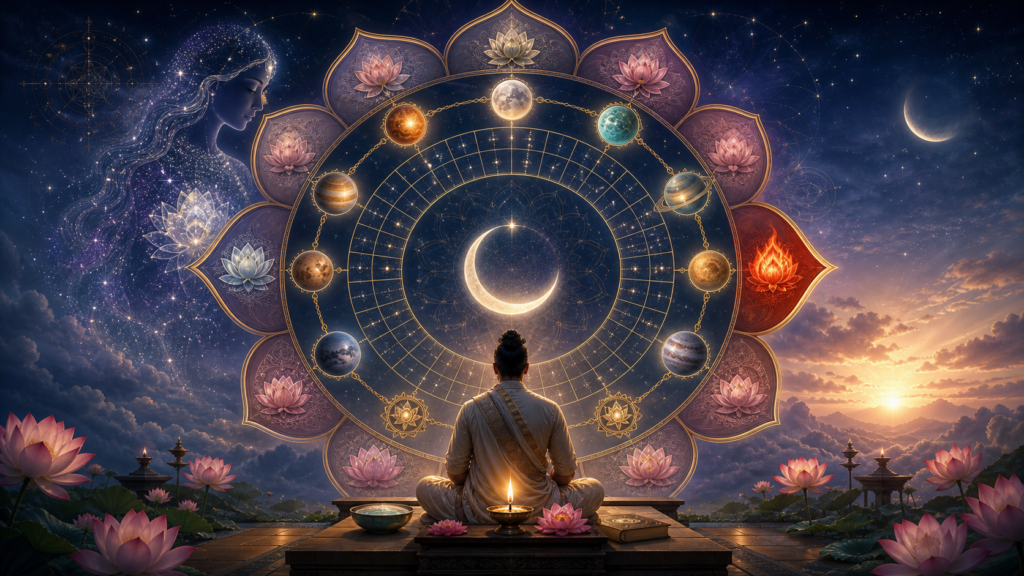
Astronomically, Adhik Maas is inserted when a lunar month passes without a Surya Sankranti (solar ingress). This ensures that festivals and seasons remain aligned over time. In 2026, Jyeshta Masam appears twicefirst as Adhika Jyeshta Masam (Pratham Jyeshta Maas) and then as Nija Jyeshtapreserving calendrical accuracy while opening an auspicious window for spiritual practices devoted especially to Bhagavan Vishnu.
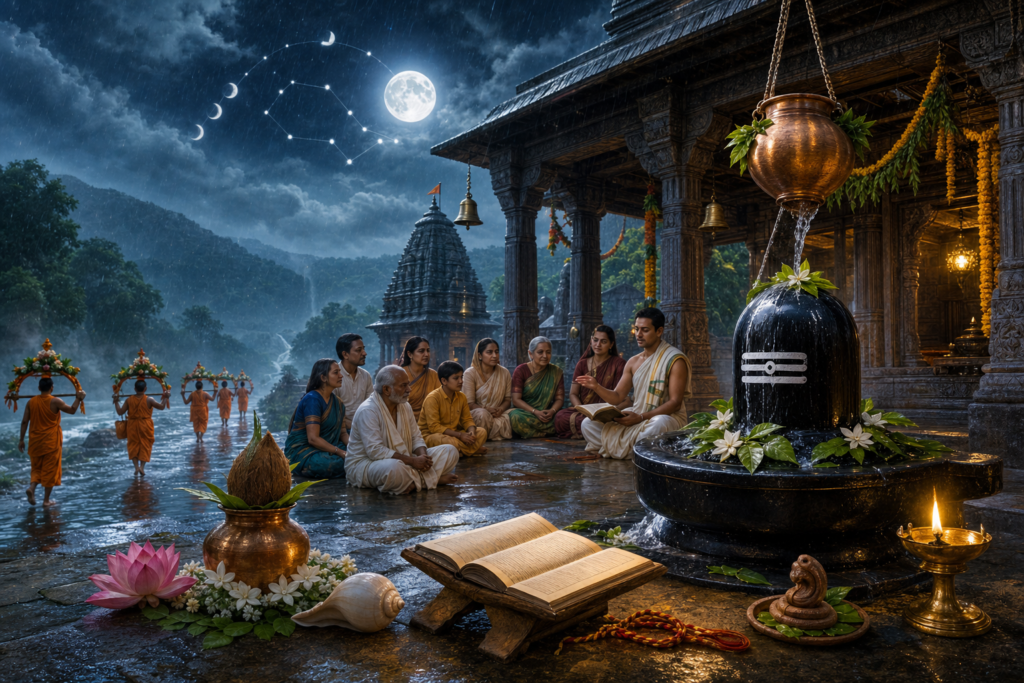
Terminology varies by region and tradition. While many Vaishnava lineages refer to this month as Purushottam Maas, the expressions Adhika Masam and Mala Maas are also widely used. The month is considered especially conducive to japa, daana, vrata, and paath such as Vishnu Sahasranama and portions of Srimad-Bhagavatam. Household routines are often simplified to prioritize sadhana, and new material undertakings are traditionally deferred, even as inner renewal and seva are encouraged.
Precise start and end dates for Adhik Maas 2026 vary by geography and the regional Panchang followed (Amanta or Purnimanta systems, local sunrise, and time-zone differences). For accurate observance, consulting a trusted regional Panchang, temple almanac, or community calendar is recommended. This ensures correct alignment with Tithi, Nakshatra, and Shukla–Krishna Paksha definitions used locally.
Beyond calendrical mechanics, Adhik Maas nurtures unity across dharmic traditions. Jain communities often integrate additional vrata and scriptural reading during intercalary months; Buddhist and Sikh communities also maintain lunar-linked observances within their own sacred rhythms. Recognizing the shared reliance on the lunar cycle affirms a deep civilizational kinshipan ethos of “Unity in spiritual diversity” that honors distinct paths while celebrating a common heritage.
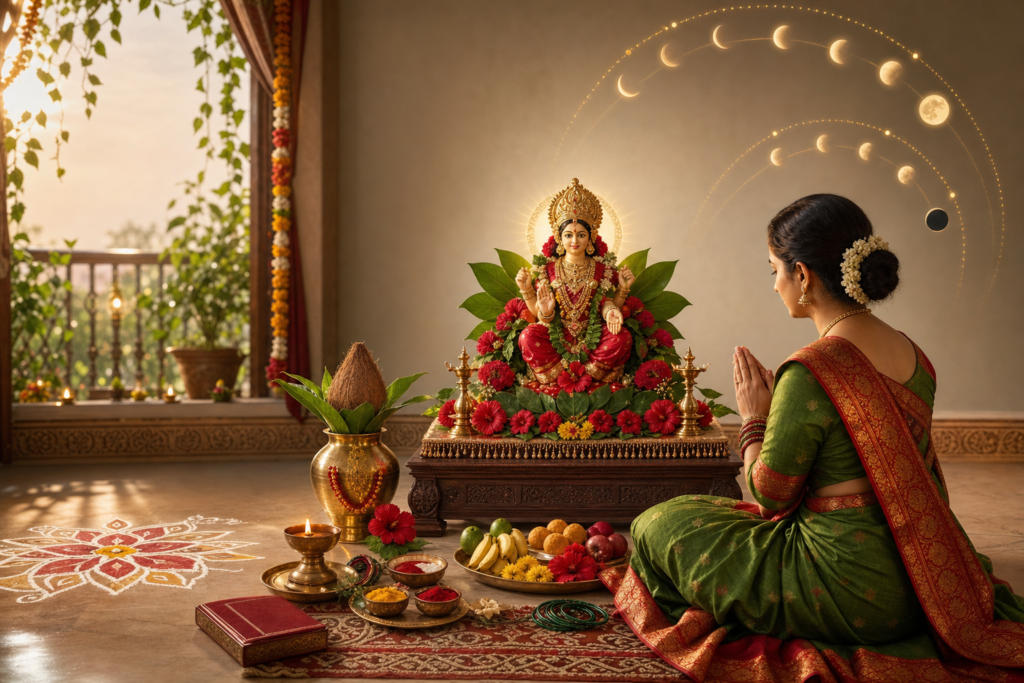
From a practical standpoint, devotees typically plan sankalpa-based vratas, offer daana thoughtfully, and participate in temple programs aligned to Purushottam Maas. Many observe daily chanting, simple sattvic diets, and evening paath, focusing on inner clarity and compassion. Families often use this period to cultivate regularity in puja, mindfulness in household duties, and service-oriented initiatives in their neighborhoods.
Because Jyeshta Masam appears twice in 2026first as Adhika Jyeshta and then as Nija Jyeshtafestival scheduling in some regions may shift relative to the solar year. Panchang editors design these adjustments to preserve the integrity of the Vedic lunar calendar, ensuring that major observances, from Ekadashi to Purnima rites, remain seasonally and ritually coherent over the long term.
In essence, Adhik Maas 2026 offers a sacred opportunity to realign life with timeless principles: dharma-centered intention, disciplined practice, and compassionate action. Approached with patience and informed by the regional Panchang, Purushottam Maas becomes not only a calendrical correction but also a transformative season of remembrance, restraint, and renewalshared across the broader family of dharmic traditions.
Inspired by this post on Hindu Pad.