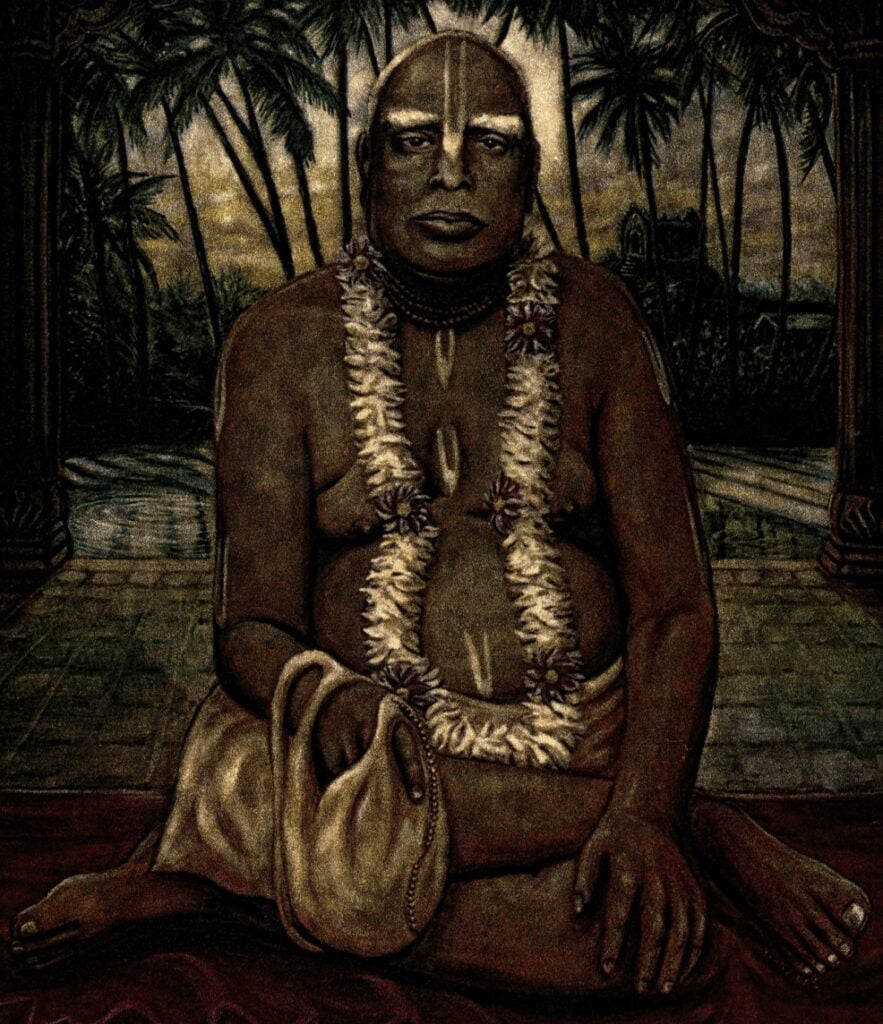
Krishna Conscious family life is best understood as a living expression of Srila Prabhupada’s teachings, applied with careful attention to time, place, and circumstance. Within the Hindu family system, this approach anchors daily choices in dharma while integrating devotion into work, parenting, and community life in a manner consistent with Hindu spirituality and the Bhakti Tradition.
In the field of grihastha life, local culture should be respectfully considered without compromising Srila Prabhupada’s teachings. Mechanical transplantation of external forms from one culture to another is discouraged; what matters is a clear grasp of the principles and values that give spiritual practices their meaning. This principle-centered method preserves integrity while allowing thoughtful adaptation.
Core valuessuch as bhakti, seva, truthfulness, mutual respect, simplicity, and responsibilityform the bedrock of Krishna Conscious family life. These values resonate across the dharmic spectrum of Hinduism, Buddhism, Jainism, and Sikhism, encouraging unity in spiritual diversity. When families prioritize principles over rigid form, they cultivate harmony, inclusivity, and a shared commitment to ethical living.
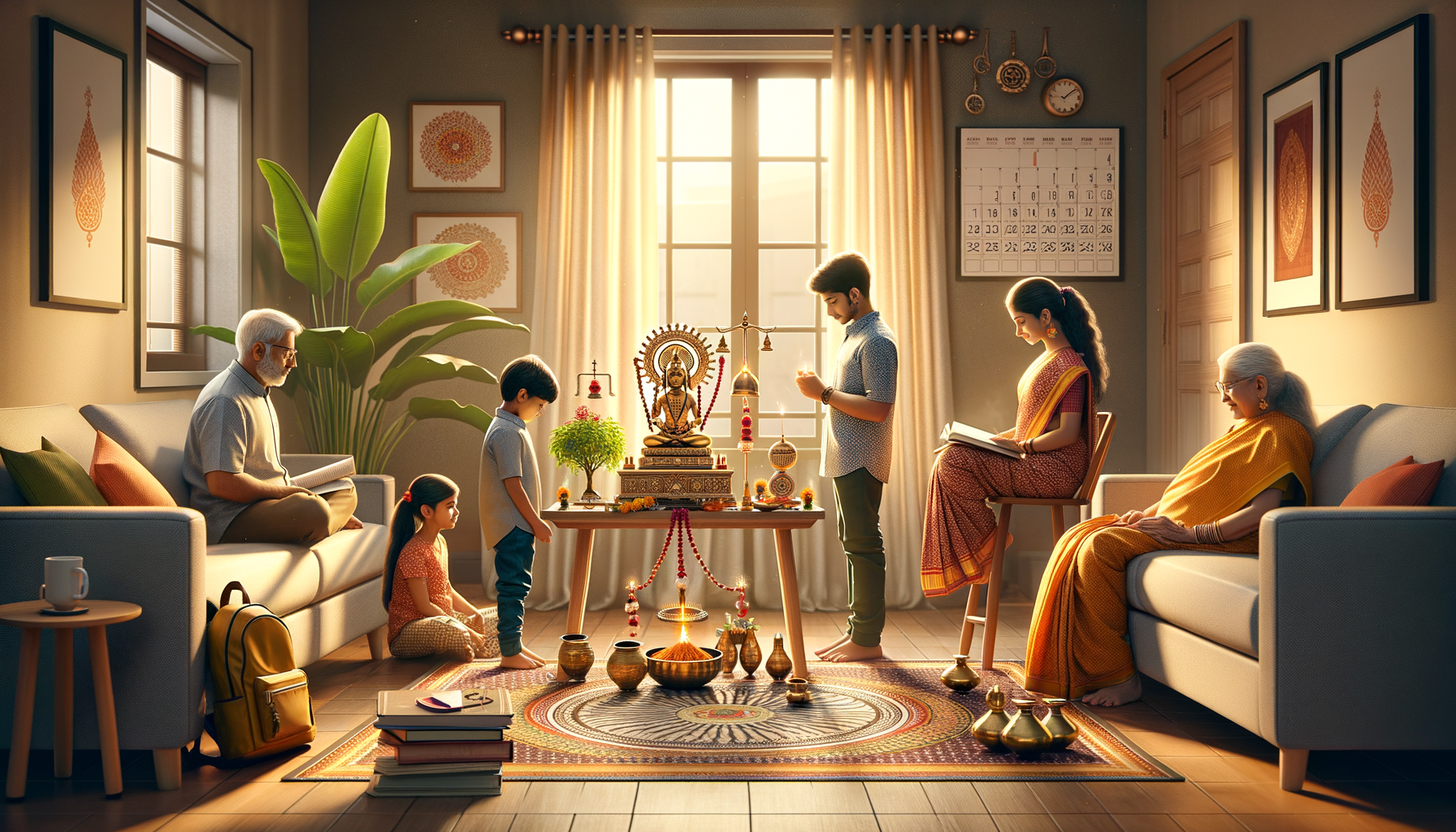
Practically, this means aligning spiritual practices with real household rhythms: scheduling japa and kirtan around work and school; honoring festivals with local customs while preserving devotional essence; choosing dietary practices that respect both tradition and context; and creating a home ecosystem that supports learning, reflection, and service. In this adaptive spirit, cultural sensitivity becomes a strength, not a compromise.
Many households report that a principle-first approach fosters emotional resilience, cooperative decision-making, and a clearer sense of purpose. Children develop a stable identity rooted in dharma, couples find common ground in shared values, and extended families experience greater trust and cohesion. The home gradually emerges as a sanctuary of seva, learning, and peaceful coexistence.
Anchoring choices in Srila Prabhupada’s teachings while engaging culture with humility ensures that Krishna Conscious family life remains authentic and relevant. By emphasizing foundational principles and welcoming context-appropriate expression, families uphold the essence of Hindu spirituality, strengthen unity among dharmic traditions, and model compassionate, culturally aware living for the wider community.
Inspired by this post on Dandavats.