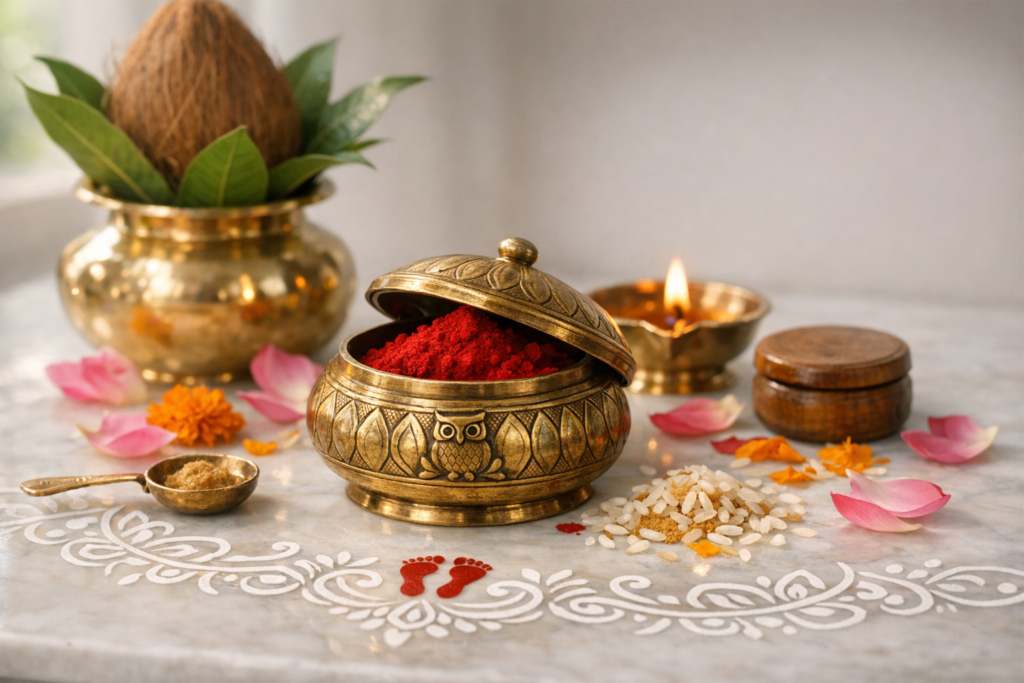
This guide outlines an evidence-informed approach to identifying auspicious days for Simha Rashi in 2026, combining Jyotisha principles with practical scheduling needs. It emphasizes clarity, cultural continuity, and unity across dharmic traditions while maintaining academic precision and everyday usability.
Simha Rashi, the fifth in the twelve-fold zodiac of Hindu Astrology, spans Magha Nakshatra (1, 2, 3, 4 quarters), Purva Phalguni Nakshatra (1, 2, 3, 4 quarters), and Uttara Phalguni Nakshatra (1st Pada). In popular discourse, those born between July 23 and August 22 are often associated with Leo; however, Rashi in Jyotisha refers to the Moon sign, not the Sun sign, and the two systems should not be conflated when selecting muhurta.
In practice, days are considered more auspicious for Simha Rashi when Chandra transits Simha and the native’s birth Nakshatra or its supportive counterparts, especially during Shukla Paksha tithis that promote growth and initiation. Sunday, aligned with Surya who rules Simha, can further strengthen results when other factors are favorable. Time windows such as Abhijit Muhurta and the pre-dawn Brahma Muhurta are traditionally prized, while periods like Rahu Kalam, Gulika Kalam, and Yamaganda are generally avoided for commencements.
A practical method for 2026 prioritizes four steps. First, consult a reliable Panchang to locate dates when the Moon resides in Simha and note the operating Nakshatra—Magha, Purva Phalguni, or Uttara Phalguni (1st Pada). Second, confirm a supportive tithi, ideally in Shukla Paksha, and a compatible weekday, giving considered weight to Sunday. Third, refine the selection by excluding Rahu Kalam, Gulika Kalam, and Yamaganda and by preferring Abhijit Muhurta or well-aspected morning hours. Fourth, align the chosen muhurta with the nature of the task—initiation, study, travel, or house-related activities—so that the symbolic quality of time supports the intended outcome.
Many practitioners report a palpable sense of confidence and harmony when plans follow these cosmic rhythms, reflecting a living conversation between inner intention and outer time. This sensibility resonates across dharmic traditions—Hinduism, Buddhism, Jainism, and Sikhism—which, in diverse ways, honor mindful timing, ethical action, and community well-being. Approached in this spirit, the pursuit of auspiciousness becomes a shared language of unity and respect rather than exclusivity.
It is important to recognize that muhurta complements, rather than replaces, effort, preparation, and dharmic responsibility. Regional customs, family traditions, and guidance from knowledgeable elders or practitioners can refine choices further, especially when interpreting subtle Panchang nuances or reconciling differing almanacs used in 2026.
Given calendar variations by region and school, the most reliable way to finalize auspicious days for Simha Rashi in 2026 is to apply the above framework to a trusted local Panchang. In doing so, one preserves continuity with timeless wisdom while making decisions that are calm, coordinated, and conducive to collective harmony.
Inspired by this post on Hindu Pad.