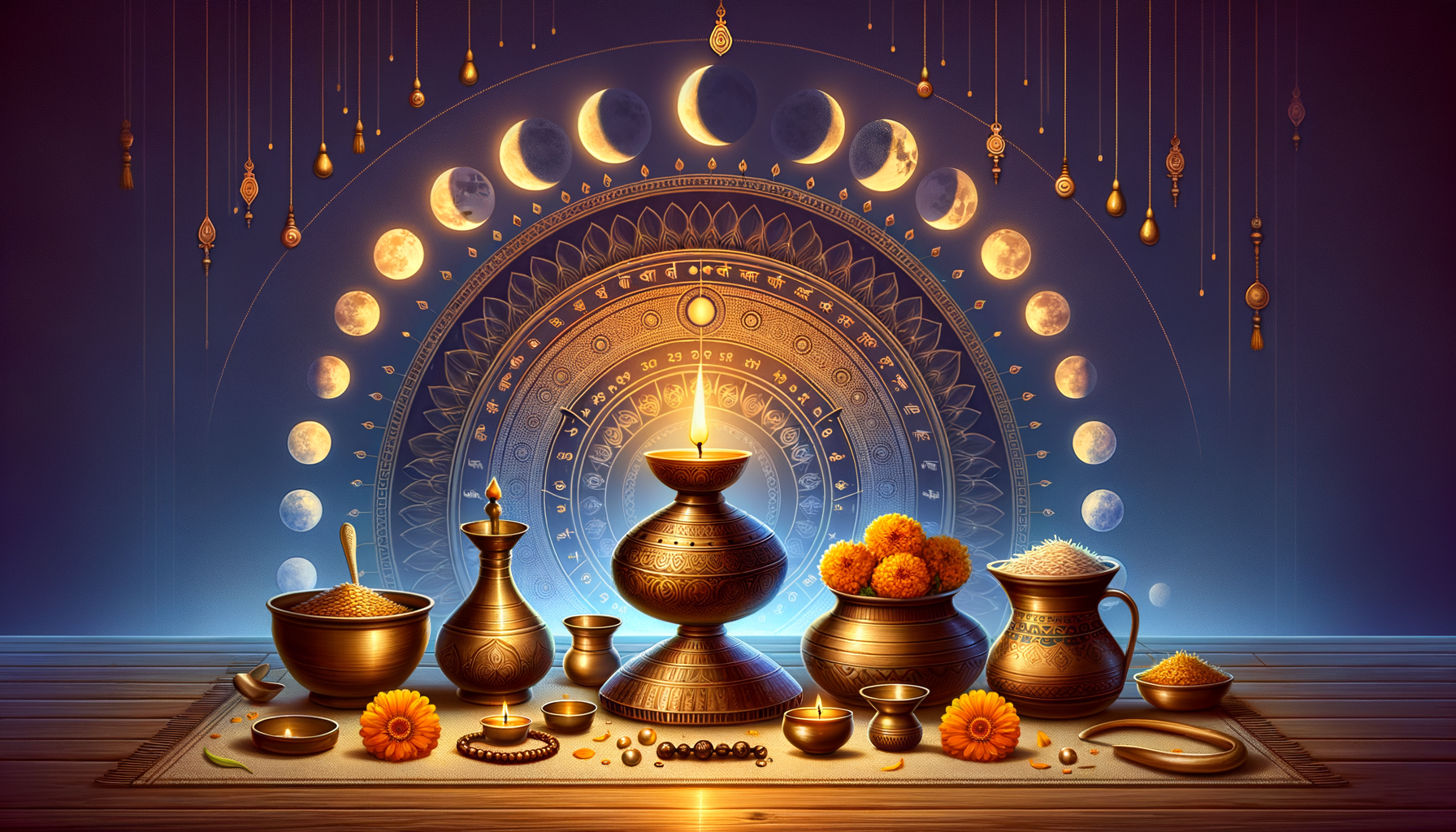
On Wednesday, November 19, 2025, the Panchang – Hindu Calendar marks Krishna Paksha Chaturdashi, the fourteenth lunar day of the waning or dark phase, in most regions. The tithi remains Krishna Paksha Chaturdashi until 8:54 AM on November 19, after which it transitions to Amavasya, the no moon day.
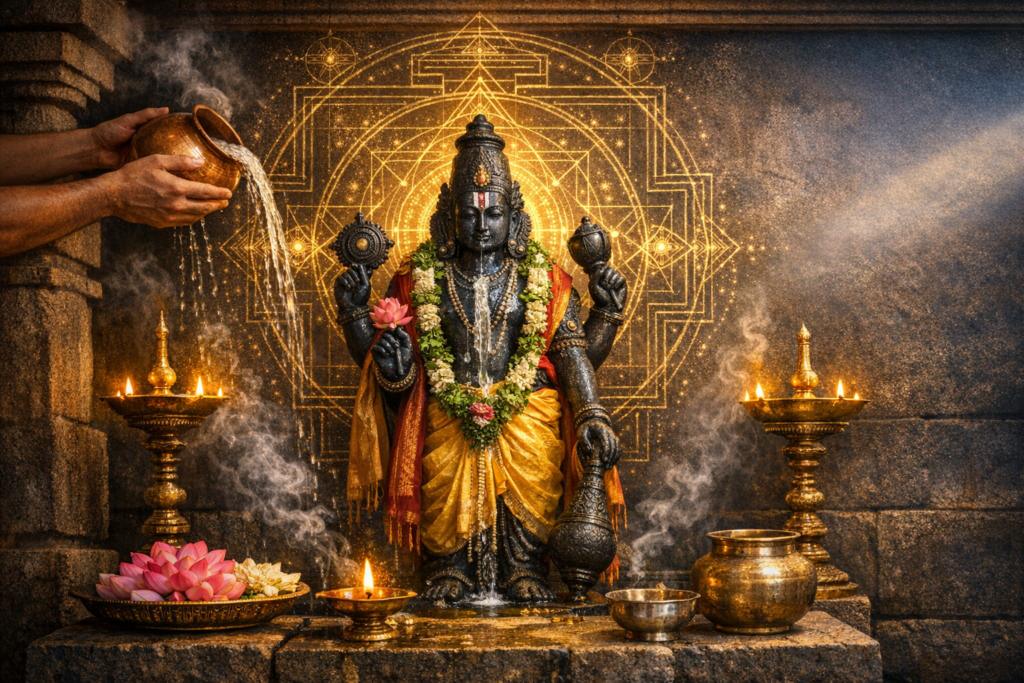
Krishna Paksha Chaturdashi is traditionally associated with disciplined observance and quiet preparation for the introspective tone of Amavasya. As the lunar light tapers, many find it conducive to conclude monthly vows, maintain restraint in speech and diet, and engage in focused prayer or meditation. This phase is often understood as a gentle reminder to conserve energy and cultivate clarity.
The shift to Amavasya after 8:54 AM invites deeper reflection, inner cleansing, and remembrance. Across dharmic traditions—Hinduism, Buddhism, Jainism, and Sikhism—this dark-moon interval is viewed as supportive of contemplation, service (seva), and renewed intention. The shared emphasis on humility, compassion, and mindful conduct underscores unity among these paths while honoring their distinct practices.
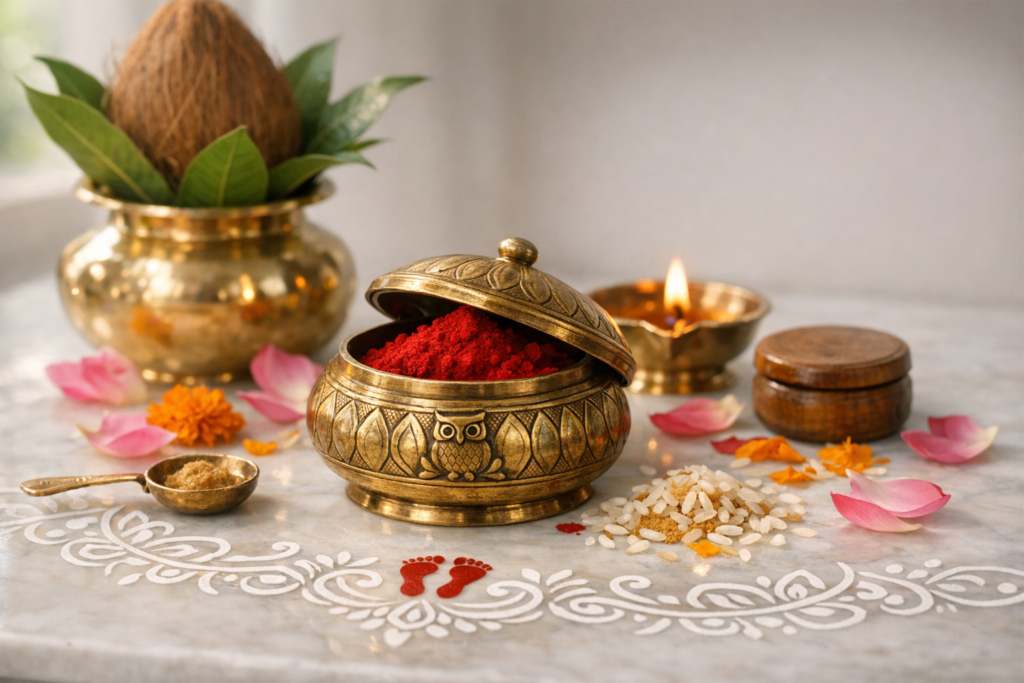
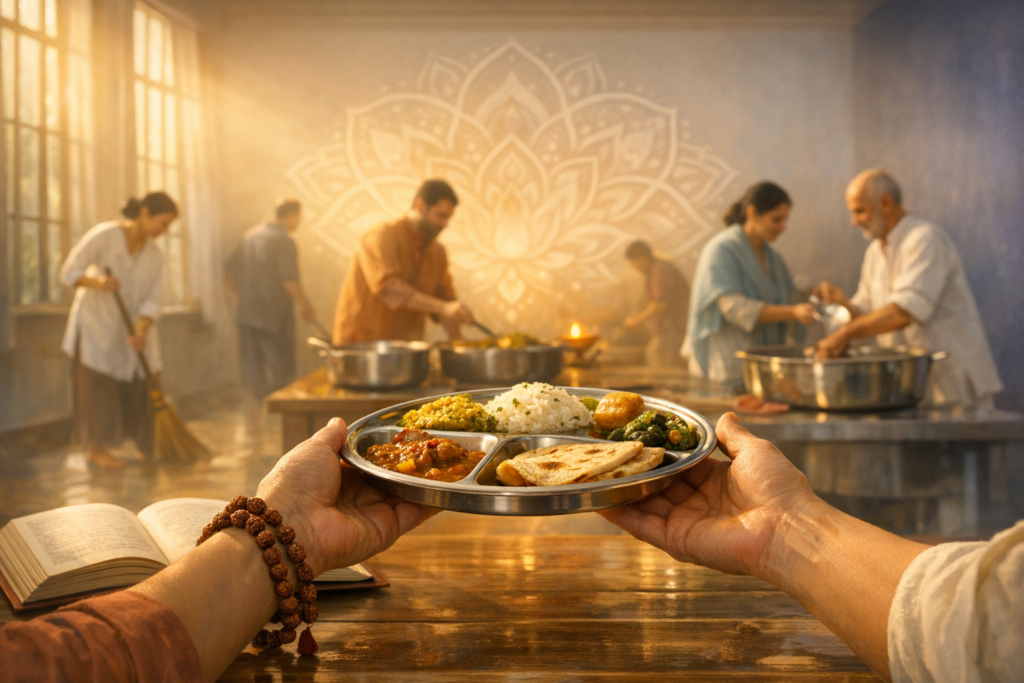
In practical terms, many households align their routines with the tithi change: offering morning prayers or study during Krishna Paksha Chaturdashi hours, then leaning into the meditative stillness of Amavasya later in the day. Acts of charity, simple meals, and calm routines often complement the day’s spiritual tenor. While some seek a “good time” window (muhurat) for personal observances, such timings are location-specific and best drawn from a reliable regional Panchang.
Nakshatra and Rashi details for November 19, 2025 can vary by place and calculation method. For accuracy, consulting a local Panchang or temple noticeboard for Nakshatra, Rashi, sunrise/sunset, and shubha muhurta is recommended. This approach ensures observances reflect precise, regionally aligned data within the Hindu Calendar.
Observed with awareness, this date’s journey from Krishna Paksha Chaturdashi to Amavasya supports shared values of self-discipline, compassion, and community welfare across dharmic traditions. The Panchang thus serves as a thoughtful guide to harmonize daily life with lunar rhythms, deepen spiritual focus, and foster unity in diversity.
Inspired by this post on Hindu Blog.