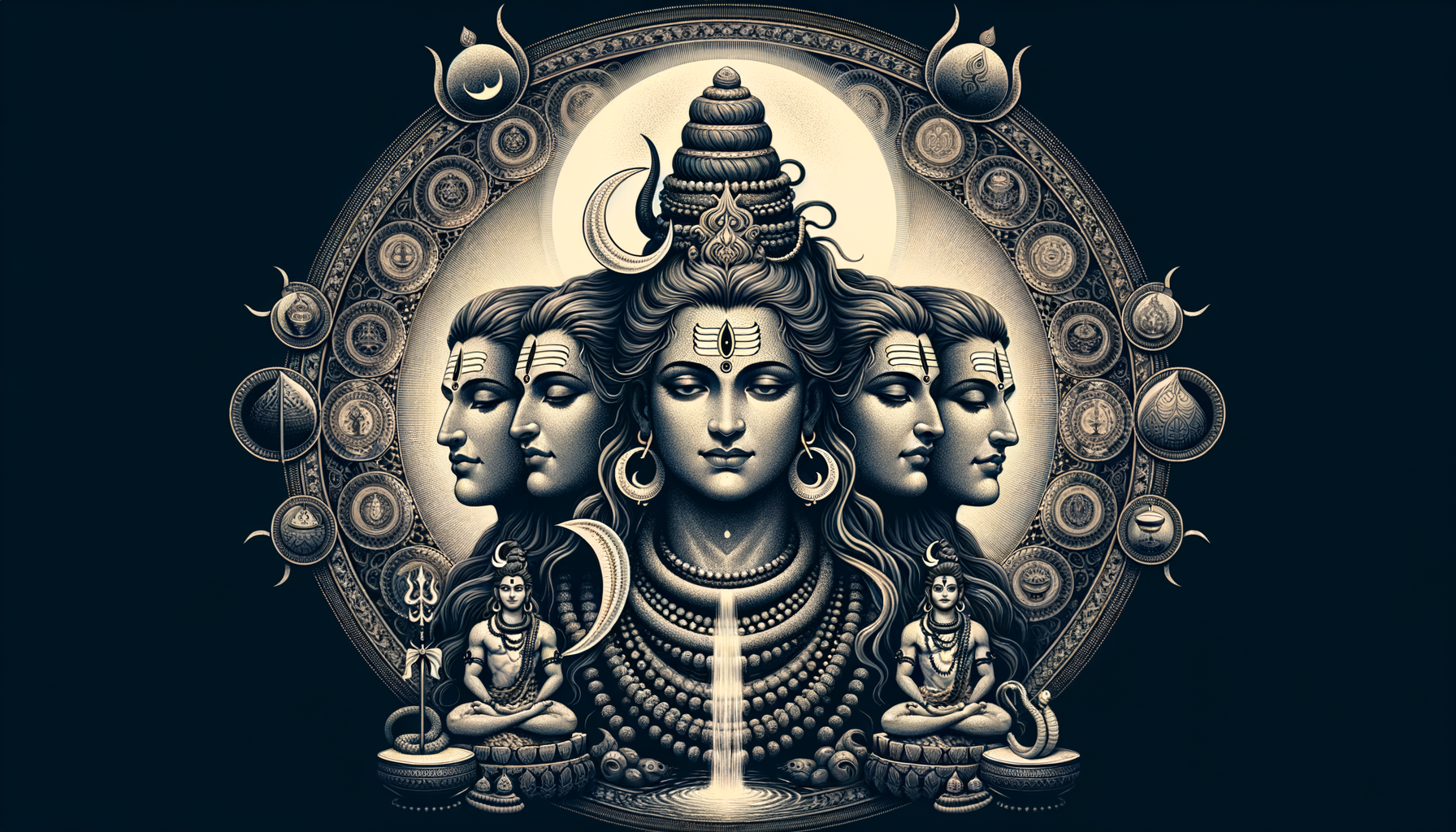
Panchanana Shiva, also known as Panchamukha Shiva, presents a five-faced manifestation of shiva that unifies theology, iconography, and contemplative method into a coherent pathway of realization. As a refined Hindu Symbol and a living map for sādhana, this form communicates cosmic order, inner transformation, and the unity of oppositesan enduring expression of Unity in spiritual diversity across Dharmic Traditions.
Classical sources in the Āgamas and Purāṇas articulate this manifestation through the doctrine of the Pancha Brahmathe five primordial aspects of Sadāśiva presiding over creation, preservation, dissolution, concealment, and grace. Across the subcontinent, from sculpted mukhaliṅgas and bronze images to stone icons, Panchanana Shiva functions as visual theology, inviting sustained contemplation on reality and the disciplined path to liberation.
Iconographic tradition associates each face with a direction and a principal function: Tatpurusha (east) signifies consciousness and the initiating impulse; Aghora (south) expresses dissolution and transformative power; Vamadeva (north) represents preservation, beauty, and harmony; Sadyojata (west) conveys manifestation and creative emergence; and Ishana (upward) embodies revelation and grace transcending directional space. Together, these five delineate a cycle of becoming, being, and beyond-being, offering a precise symbolic grammar for contemplative inquiry and ethical discernment.
This fivefold matrix correlates with the pancha mahabhuta (earth, water, fire, air, space) and the Panchakshara mantra Na–Ma–Shi–Va–Ya, often read as a contemplative journey from the gross to the subtle. It resonates with the five senses and the five sheaths (pancha kosha), guiding an inner pilgrimage from body and breath to mind, insight, and pure awarenessan applied lens aligned with Pancha Kosha Viveka. Practitioners frequently report that coordinating breath with the mantra refines attention, steadies emotion, and translates metaphysical Symbolism into lived clarity.
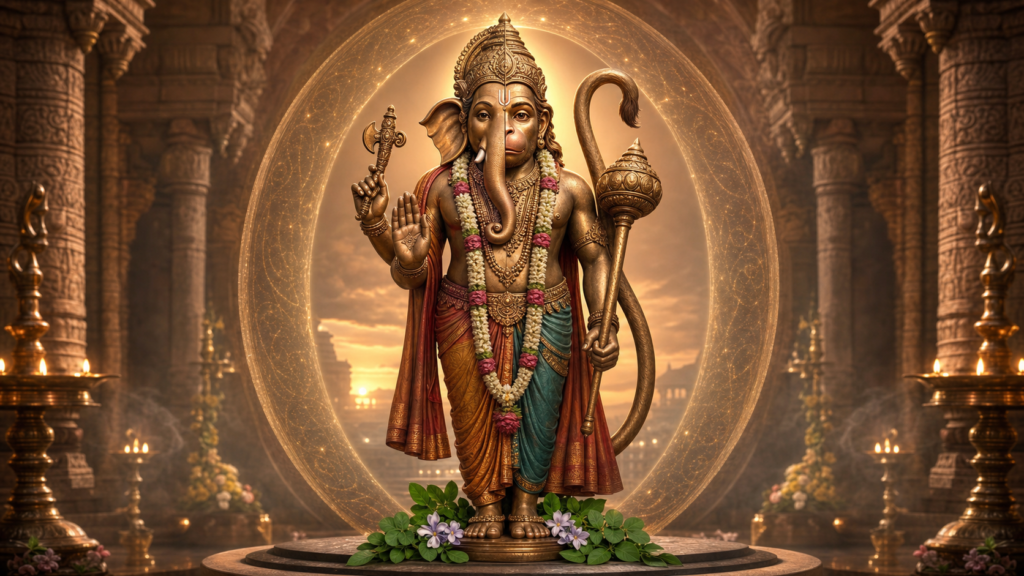
Standard iconographic elements reinforce the integrative vision: matted locks crowned by the crescent moon and the descent of Gaṅgā; the third eye of discerning awareness; serpentine ornaments signifying awakened vitality; sacred ash indicating impermanence; and the tiger-skin garment denoting mastery over primal forces. Hands may hold the triśūla, ḍamaru, akṣamālā, kamaṇḍalu, or kapāla, alongside abhaya and varada mudrās that communicate fearlessness and benevolence. The vāhana Nandi embodies steadfast devotion and ethical steadiness. In many temples the form appears as a mukhaliṅga, with four faces around the shaft and a fifth, Ishana, on the summitfamously at Pashupatinatharticulating a vertical axis of transcendence. Pilgrims and visitors often describe quiet awe before such an Idol, sensing an ascent of awareness and a felt spaciousness of mind.
Ritual and contemplation engage both space and sound: circumambulation honors the directions of the faces; meditation refines attention through visualizing each aspect; and recitation employs the Pancha Brahma mantras and the widely practiced Om Namah Shivaya. Approached as sādhana, this framework cultivates clarity (Ishana’s grace), courage (Aghora’s transformation), compassion (Vamadeva’s harmony), continuity (Tatpurusha’s steady awareness), and creative surrender (Sadyojata’s letting-be). Many householders note that brief daily practicefive mindful breaths synchronized with Na–Ma–Shi–Va–Yaintegrates sacred focus into ordinary routines, promoting resilience and ethical poise.
Across Dharmic Traditions, the fivefold pattern reveals a shared civilizational ethos without collapsing distinct doctrines. Buddhism’s fivefold contemplative frameworks, Jainism’s emphasis on the five vows (mahāvratas), and Sikh teachings that integrate remembrance (simran) with selfless service (seva) converge with the Panchamukha ideal in affirming non-harm, truthful living, disciplined awareness, and inner transformation. This consonance exemplifies Unity in spiritual diversity and supports a respectful, collaborative search for wisdom.
Historically, depictions of Panchanana Shiva emerge from the early medieval period onward across regions shaped by Chola, Chalukya, Hoysala, and allied artistic lineages, as well as within Nepalese Śaiva traditions. Whether rendered as a freestanding image or a liṅga with faces, the icon preserves a consistent theological structure while accommodating regional aesthetics and ritual variation. This continuity illustrates both depth and adaptability within Shaiva iconography and the broader landscape of Hindu Symbols.
For contemporary seekers, the five-faced form functions as a practical contemplative mirror, integrating action and stillness, deliberation and spontaneity, personal duty and universal compassion. In daily life, the fivefold logic can guide ethical choices, strengthen attention through mantra and breath, and stabilize emotion within an awareness of interdependence. Field observations and practitioner narratives suggest that consistent, modest practice fosters a grounded dignity, a sense of connection, and alignment between aspiration and conduct.
Viewed as a whole, Panchamukha Shiva offers an integrated spiritual cartography: iconographic detail, layered Symbolism, and method cohere into a workable way to align body, speech, and mind with higher purpose. Anchored in Shaiva theology yet resonant with values shared across Dharmic Traditions, this form continues to inspire insight, steadiness, and liberating grace. In honoring this symbol, communities affirm a civilizational commitment to plural paths and a shared horizon of wisdom.