Across history and lived experience, opposition has served as an essential catalyst for transformation. Great individuals routinely encounter roadblockswhether through interpersonal conflict, illness, inner turmoil, or natural upheavalsand yet progress continues as these trials refine purpose, deepen resilience, and reveal character. In this sense, adversity is not merely an obstacle; it becomes the proving ground where perseverance, clarity, and spiritual growth take root.
Contemporary personal development literature echoes this time-tested insight: significant achievement rarely occurs without setbacks, detours, or even failures. The process of persisting under pressure strengthens resolve and aligns effort with higher intention. This perspective is equally relevant to spiritual practice, where disciplined effort is repeatedly tested, and where resilience and inner strength mature through experienced difficulty.
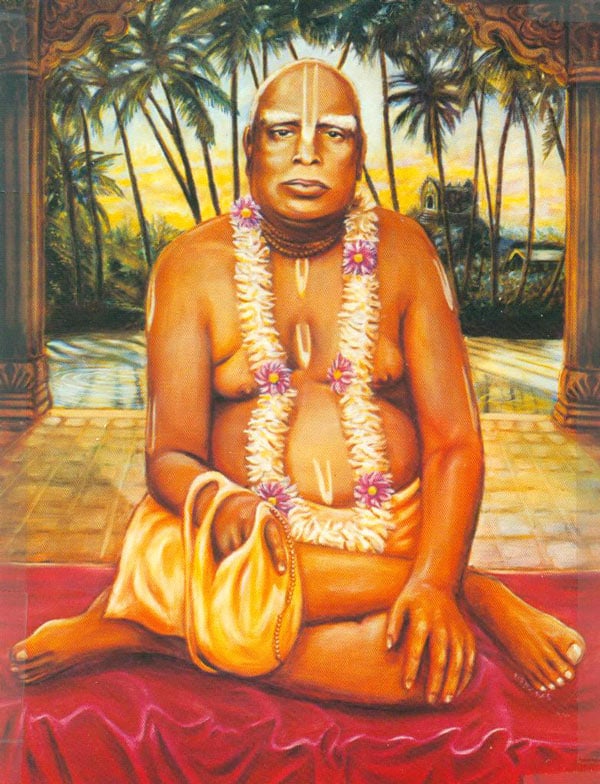
Dharmic traditions offer compelling illustrations. In the Gaudiya Vaishnava tradition, Haridas Thakur faced severe oppositionbeing whipped in 21 market places and confronted by temptation instigated by a rivalyet these ordeals only intensified recognition of his unwavering commitment as a teacher of the holy name. Such narratives demonstrate how steadfast practice under duress elevates both message and messenger, reinforcing the power of bhakti and the enduring relevance of dharma.
Parallel lessons appear throughout Hinduism, Buddhism, Jainism, and Sikhism. The Pandavas’ vanvas forged humility, strategic wisdom, and courage. In Buddhism, the episode of Mara confronting the Buddha illustrates how inner clarity is tempered by trials at the threshold of awakening. Jain tradition preserves accounts of Bhagavan Mahavira’s rigorous endurance and compassion amid hardship, while Sikh history remembers the moral courage and resilience of Gurus and devotees who upheld truth and service under intense pressure. These cross-traditional insights affirm a shared principle: opposition, when engaged with equanimity and ethical resolve, becomes a crucible for spiritual mastery.
Comparative religious narratives also highlight this dynamic. In Christianity, the figure of Judas is often interpreted as paradoxically facilitating Christ’s sacrificial mission, underscoring a universal pattern in spiritual history: apparent setbacks can accelerate a greater purpose. While historical details and theological emphases vary, the underlying logicadversity as an instrument for higher alignmentremains strikingly consistent.
At a personal level, many practitioners recognize moments when illness, strained relationships, professional disappointments, or inner doubts ultimately clarified values and strengthened practice. When approached with patience, self-inquiry, and community support, such experiences cultivate resilience, deepen compassion, and encourage steady sadhana. Practical responsesconsistent daily practice, mindful reflection, guidance from trusted mentors, and remembrance of dharmahelp transform emotional turbulence into constructive, purpose-aligned action.
Viewed through the lens of unity among dharmic traditions, this shared wisdom invites mutual respect and a collaborative ethos. The journeys of Hindu, Buddhist, Jain, and Sikh communities converge on a clear lesson: setbacks need not fragment one’s path; they can unify intention and illuminate common ground. Embracing challenges as integral to growth fosters spiritual maturity, ethical steadiness, and a lived sense of interconnectednessan enduring foundation for both personal transformation and collective harmony.
Inspired by this post on Dandavats.