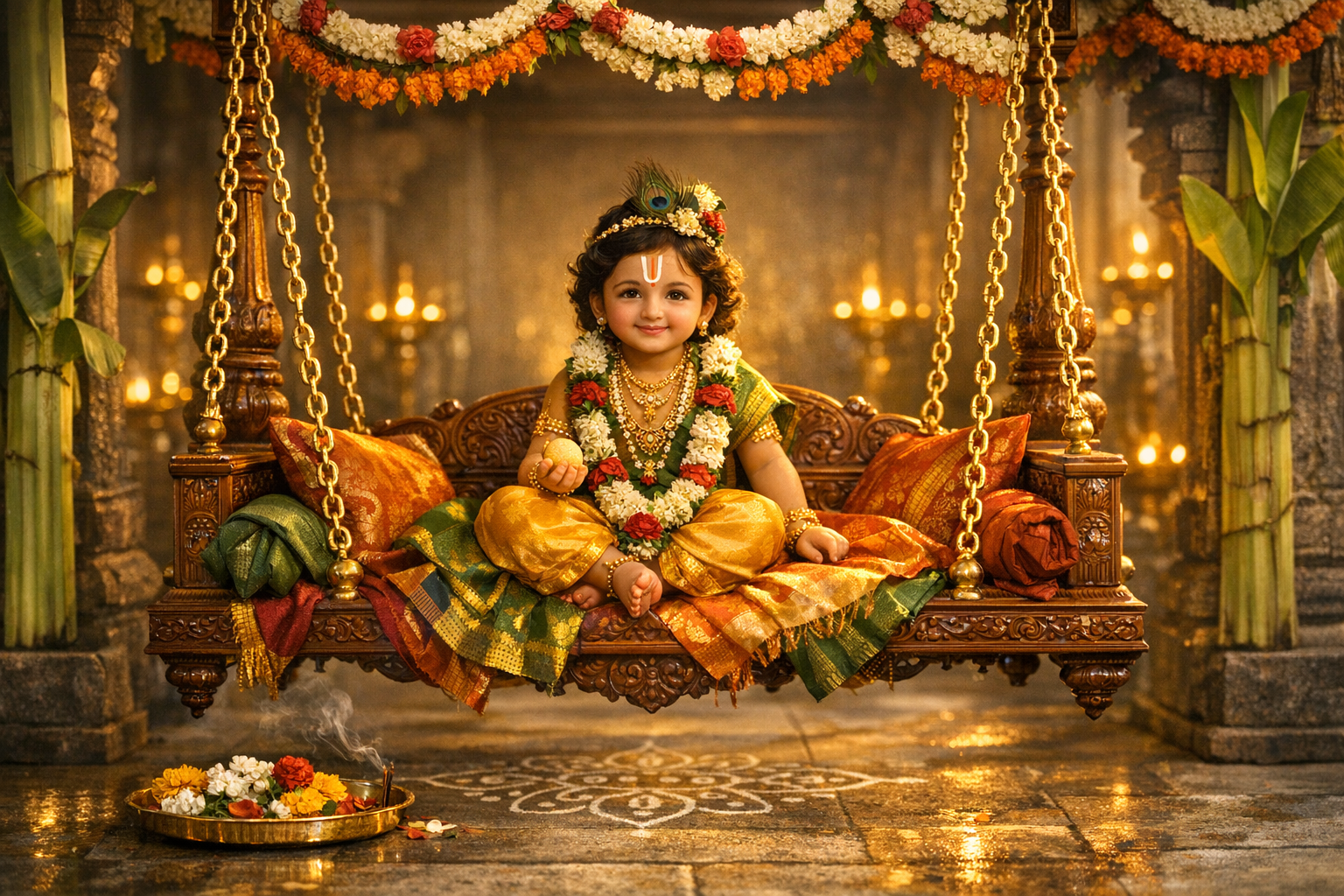
Dolai Kannan refers to the gentle, flower-decked swing (dolai, also called oonjal in Tamil) on which Bhagavan Sri Krishna is seated and ceremonially swayed in devotion-filled worship. The expression Kannan, a beloved Tamil name for Krishna, evokes intimacy and tenderness, aligning this rite with the vatsalya-bhava of bhaktidevotional love expressed through the care, play, and protection one offers a child. Across South India, this practice stands among the most tender and spiritually resonant Hindu rituals, bringing together liturgy, music, community, and sacred aesthetics to contemplate Krishna’s divine childhood (bala-lila) and the grace implicit in that remembrance.
Etymologically, dolā in Sanskrit denotes a swing or cradle, while oonjal is the widely used Tamil term. Kannan conveys both endearment and the beauty of the Lord’s eyes, signaling a local devotional vocabulary that fuses affection with theology. In this ritual, the symbolism of the swing’s rhythmic motion is central. The oscillation embodies the cyclical cadence of life and the cosmos, which, when harmonized with remembrance (smarana) and song (kirtana), reassures devotees that all movementouter and innerrests within divine care.
Scriptural and liturgical foundations for Dolai Kannan are robust. The Bhagavata Purana’s narratives of Krishna’s childhood provide the theological heart for vatsalya-bhava, while Sri Vaishnava traditions weave these narratives into temple and domestic worship through hymns from the Divya Prabandhamespecially Periyazhvar’s maternal praises (Periyazhvar Tirumoli) and Andal’s devotional corpus. In South Indian temples, the Vaikhanasa and Pancharatra Agamas furnish the ritual grammar that accommodates swing-sevas (dolotsava/oonjal seva) as part of the broader utsava cycle. Parallel practices across the Indic world, such as Jhulan Yatra in Braj and Dol Jatra in Bengal, point to a pan-Indian continuity of swing festivals honoring Krishna, even as South India nurtures distinctive melodies, mantras, and aesthetics.
In temple settings, Dolai Kannan often unfolds within a mandapam decked with plantain stems, flower toranas, and brass lamps, where the utsava-murti (processional icon) of Bala Krishna or Gopala is enthroned on an ornate swing. Prominent Sri Vaishnava centersincluding Srirangam, Kanchipuram, Melkote, and other South Indian templesconduct oonjal seva during major utsavas like Brahmotsavam and Vasantotsavam, and in some temples on specific days within the lunar calendar such as the auspicious month of Shravana. While schedules vary by sampradaya and temple heritage, the shared intention remains: to present Krishna as the cherished child whose presence sanctifies time, space, and community.
The liturgical sequence usually follows a well-established order. Vishvaksena aradhana is performed to remove obstacles, followed by sankalpa (ritual intent) and the invocation of the Lord to the utsava-murti. Abhishekam (ritual bathing) may be conducted with Panchamritamilk, yogurt, ghee, honey, and sugarbefore alankara (adornment) with sandal paste, tulasi, and garlands of jasmine, roses, and regional flowers like kanakambaram. Archana with ashtottara or sahasranama names of Krishna, recitation of Vedic hymns such as Purusha Sukta where appropriate, and Divya Prabandham pasurams create a powerful soundscape of praise. The deity is then gently swung, accompanied by bhajans and lullaby-like compositions, culminating in deepa-harati and the distribution of prasada.
Symbolically, the swing’s measured motion enacts solace. The vestibular calm produced by gentle rocking can reduce agitation and deepen attentiveness, complementing the meditative intent of the rite. Devotional music amplifies this effect; the mandapam’s acoustics carry the nada (sacred sound), and the rhythmic movement of lamps coordinates sight, scent, and sound into a single contemplative field. In this integrative aesthetic, Dolai Kannan becomes both liturgy and lived psychologyan embodied pedagogy of tranquility, surrender, and joy.
Material culture is integral to the ritual’s meaning. Swings may be crafted in hardwood with carved rails, suspended by polished brass chains, and draped in oonjal pattu (decorative silks). The iconography of Bala Kannan often features the butter-ball (navanita) signifying innocence and divine play (lila), or, in some contexts, Muralidhara with the flute. Garland architecturelayering jasmine (malli), tulasi, and seasonal blossomscreates color and fragrance profiles that signal the season and the festival’s mood. Care is taken to anchor the swing securely, preserve ritual purity for offerings, and maintain the sanctity of prasada distribution.
Calendrical placement varies by region and temple tradition. In many South Indian temples, Dolai Kannan is prominent during Shravana, but also appears within Brahmotsavam and Vasantotsavam sequences. Some temples offer dedicated oonjal seva on select weekdays or festival eves, while households may observe the rite on Janmashtami, in Margazhi (December–January), or on family occasions when blessings for children, elders, and the community are particularly sought. This flexibility reflects the Agamic principle that festival sevas adapt to local custom (desachara) and community capacity.
Domestic worship of Dolai Kannan extends the temple ethos into familial life. A small, consecrated Krishna murti may be seated on a simple flower-bedecked swing in the puja room. Panchopachara (fivefold) or Shodashopachara (sixteenfold) worship frameworks guide offeringsfragrant water, sandal paste, flowers, deepa, and naivedya such as aval (poha/avalakki/atukula), venna (butter), fruits, or ksheera (milk). Families often sing simple kirtans or recite select pasurams from the Divya Prabandham, allowing children to participate by offering flowers or helping with the gentle swingan experiential introduction to bhakti that is tactile, musical, and memorably tender.
Communal bonds are strengthened through Dolai Kannan. For many devotees, early temple memories center on the oonjal’s graceful arc, the scent of sandalwood, and the cadence of pasurams that grandparents taught by heart. The rite’s intergenerational character makes it a living archive of heritage: elders pass on melody and method; youth inherit confidence in tradition’s beauty; and the wider community gathers not only to witness but to co-create the rasa (aesthetic flavor) of devotion. In an era of hurried lives, the swing’s slow rhythm becomes a collective pauseunrushed time with Krishna.
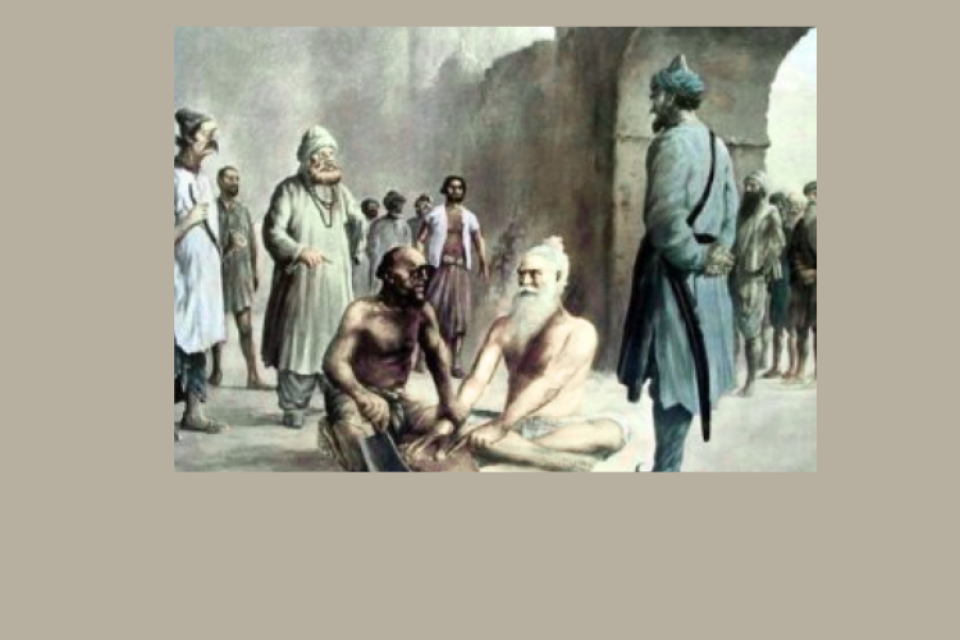
Dolai Kannan also exemplifies a unifying ethos across dharmic traditions. While the specific theology and iconography are Vaishnava, the impulse to venerate with tenderness is widely shared. In Buddhism, the bathing of the infant Buddha during Vesak expresses reverent care; in Jainism, Janmabhisheka rites at Tirthankara Janma Kalyanaks embody purity and auspicious welcome; in Sikh practice, the ceremonial reverence and dignified movement of the Guru Granth Sahib in the Palki Sahib enshrine love and honor. These convergences affirm a broader civilizational ideal: devotion expressed through service (seva), music, and mindful ritual nurtures compassion and unity without effacing distinctive paths.
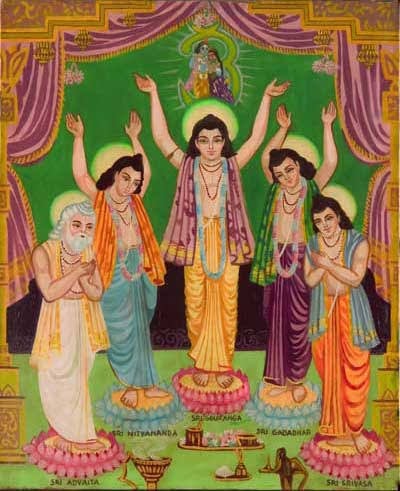
Regional and sampradaya-specific variations are expected and valuable. Sri Vaishnava temples that follow Pancharatra or Vaikhanasa Agamas may sequence preliminaries and hymns differently; Tenkalai and Vadakalai liturgical emphases can shape the selection of pasurams; Madhva and Gaudiya Vaishnava lineages might prefer distinct kirtan repertoires or calendar timings. Such diversity illustrates Hinduism’s accommodation of multiple authorized methods (aneka-marga) within a shared devotional grammar, ensuring continuity alongside creativity.
From a theological perspective, Dolai Kannan teaches that divine intimacy is compatible with divine majesty. The child on the swing is the same Lord who sustains the cosmos; the butter-thief who enchants is also the inner guide (antaryamin) who reforms the heart. As the swing moves, devotees learn to synchronize breath and recollection, discovering that rest (shanti) is not the absence of motion but harmony within it. Thus the rite becomes more than celebration; it is contemplative pedagogy, aesthetic science, and a communal art of remembering grace.
In sum, Dolai Kannan is a luminous confluence of Agamic precision, poetic devotion, and cultural craftsmanship. Its presence in South Indian temples and homes anchors a continuity of Krishna bhakti that is musically rich, emotionally resonant, and intellectually satisfying. By honoring the divine childhood through a sacred swing, devotees cultivate tenderness, gratitude, and steadinessqualities that elevate personal life and strengthen the social fabric. In this way, the swing of Kannan becomes a mirror of inner poise and an invitation to experience the bliss (ananda) of Krishna’s grace.
Inspired by this post on Hindu Blog.