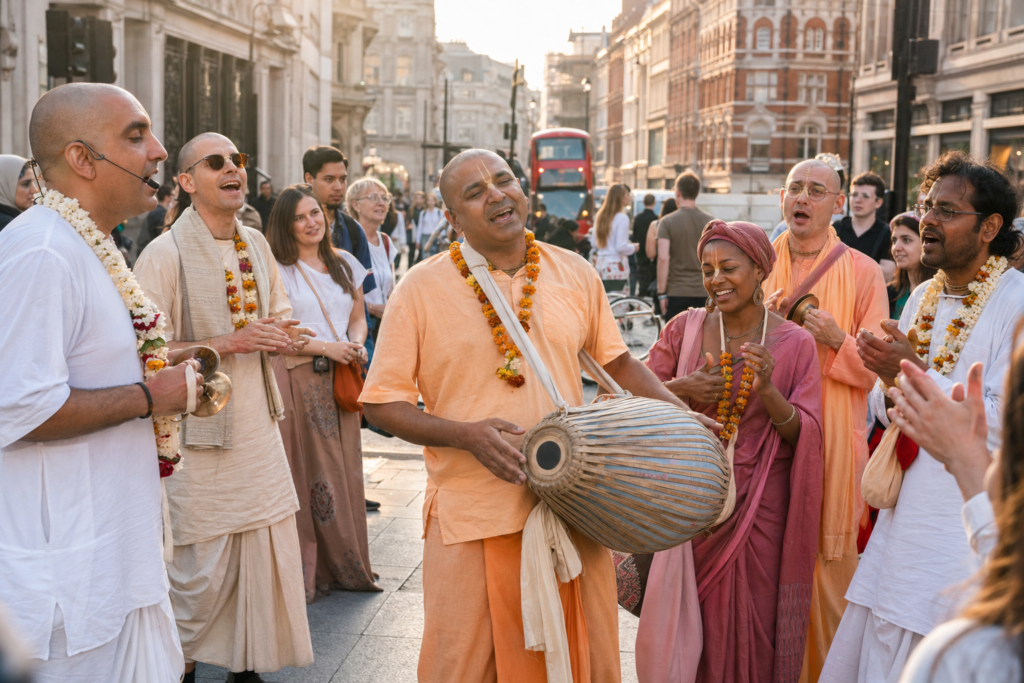
The timeless guidance of dharma offers an anchoring framework for authentic living in an era saturated with noise, speed, and curated comparison. In the relentless rush of contemporary life, many feel pulled in competing directionsscrolling through polished narratives, seeking external validation, while an inner compass turns unsteadily. Situated within the broad dharmic traditions of Hinduism, Buddhism, Jainism, and Sikhism, the concept of dharma illuminates a way to reorient attention, stabilize purpose, and restore inner clarity.
Across these traditions, dharma signifies principled alignment with truth, responsibility, and the welfare of all. In Hinduism, it aligns with Sanatana Dharma as right living and duty harmonized with cosmic order; in Buddhism, Dharma conveys the teaching that ends suffering; in Jainism, it resonates with ethical disciplines such as Ahimsa and Aparigraha; and in Sikhism, it converges with living in Hukam through Naam Simran and seva. Despite differences in language and emphasis, a shared ethos emergestruthfulness (satya), non-harm (ahimsa), discipline, compassion, and service (seva).
Modern attention economies cultivate perpetual distraction, comparison, and decision fatigue. This externalization of worth fractures focus and erodes self-trust. The dharmic lens reframes the challenge: the task is not to chase novelty but to cultivate steadiness, discernment, and meaningful action. Authenticity becomes a function of right attentionwhat is chosen, practiced, and protected each day.
Discernment (viveka) and svadharma provide the first stabilizing principles. Rather than imitating others’ paths, individuals benefit from aligning choices with nature, responsibilities, and stage of life. The Bhagavad Gita affirms that integrity grows when actions reflect one’s own dharma, however modest, rather than an imitation of another’s. Practically, this means clarifying values, naming non-negotiables, and committing to the next right action.
Simplicity and Aparigraha counter the excess of modern consumption. Jain and yogic disciplines advise reducing needless accumulation to protect attention, energy, and compassion. In digital life, Aparigraha translates into minimalist feeds, intentional notifications, and device-free spaces; in material life, it becomes thoughtful ownership and slower acquisition. The result is regained focus for study, meditation, seva, and meaningful relationships.
Mindfulness (smṛti/sati), dhyāna, and breath practices (prāṇāyāma) quiet the nervous system and refine attention. Buddhist mindfulness, yogic meditation, and Sikh Naam Simran each cultivate steady awareness while softening reactivity. Short, regular sessionsattentive breathing, mantra japa, or quiet sittingreshape the mind from fragmentation to presence, enabling ethical clarity and resilient calm.
Seva (selfless service) transforms authenticity into contribution. Karma Yoga in Hinduism, compassion practices in Buddhism, Jain emphasis on non-violence in action, and Sikh seva converge on the same insight: identity matures through service to others and care for the common good (lokasaṅgraha). Service dissolves egoic grasping, builds solidarity, and anchors purpose beyond self-preoccupation.
Satsanga, Sangha, and Sadh Sangat protect the path through community. Supportive company nurtures ethical resolve, shared learning, and accountability. Choosing communities that embody humility, inquiry, and mutual care counters algorithmic echo chambers and cultivates companionship grounded in dharma rather than opinion or spectacle.
Tapaḥ (disciplined effort) and daily rhythms convert ideals into embodied habit. Gentle structuresmorning silence (mauna), set times for study of scriptures (śravaṇa), meditation, exercise, and digital sabbathsstabilize attention. This disciplined kindness toward oneself is not harshness but stewardship of energy and intention, ensuring alignment between values and behavior.
A practical ethical filter helps decision-making in complex situations: satya (Is it truthful?), ahimsa (Does it minimize harm?), svadharma (Is it aligned with rightful duty and role?), and lokasaṅgraha (Does it serve long-term collective welfare?). When choices satisfy these criteria, action gains moral clarity and psychological ease.
Daily micro-practices make authenticity sustainable: a brief dawn pause to set intention; one mindful meal without screens; a dedicated period for Yoga or mindful walking; a short midday breath practice to reset; an evening reflection on what upheld or violated dharma; and a few minutes of gratitude to close the day. These small anchors reshape attention, restore inner balance, and elevate ordinary moments.
Managing social media through dharmic principles preserves equanimity: predetermined usage windows, curation of sources that inspire wisdom, unfollowing accounts that trigger envy or agitation, and consciously replacing reactive scrolling with study, contemplation, or seva. Such choices cultivate śānti, deepen focus, and return agency to the practitioner.
Dharmic traditions affirm unity in spiritual diversity. Anekantavada in Jainism, the Hindu recognition of Ishta, Buddhist emphasis on pragmatic skillful means, and Sikh respect for Hukam together signal that different natures require diverse upāyas (methods). This plural ethos fosters interfaith respect within the dharmic familyHinduism, Buddhism, Jainism, and Sikhismencouraging shared learning while honoring distinct disciplines.
Authentic living, guided by dharma, is not a retreat from the world but an entry into it with steadiness, compassion, and clarity. By reclaiming attention, practicing mindfulness and Yoga, engaging in seva, and aligning action with svadharma and ahimsa, individuals cultivate inner freedom amid external noise. In this way, the agitated self becomes a grounded presencecalm, courageous, and committed to the welfare of all.
Inspired by this post on Hindu Blog.