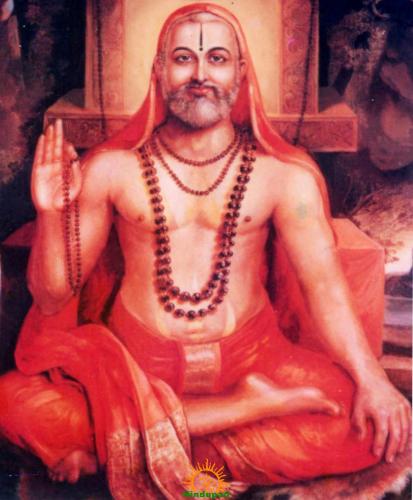
Presented in Vrindavan on 18.12.2025, reflections associated with HG Gopinath Acharya Prabhu illuminate a celebrated teaching of the Srimad-Bhagavatam: even those who opposed Krishna, by becoming continuously absorbed in thinking of Him, reached the same Supreme Truth that yogic seers pursue through disciplined control of breath, mind, and senses. In the same spirit, the śrutis, which recognize the all-pervading presence of the Divine, are described as approaching the very nectar of the lotus feet that personal associates taste through intimate devotion.
This insight highlights a unifying principle in Hindu scriptures: sustained absorptionwhether through bhakti’s heartfelt remembrance or yoga’s methodical practicesaligns consciousness with the Supreme. The narrative does not valorize opposition; rather, it underscores the transformative power of unwavering contemplation, where intensity of focus, not merely initial intention, precipitates realization. In Vrindavan’s sacred atmosphere, such remembrance becomes both a lived practice and a contemplative ideal, inviting practitioners to harmonize breath, mind, and senses in the service of devotion.
Viewed through a wider dharmic lens, this principle resonates across sister traditions: Buddhist mindfulness (sati) cultivates continuous awareness; Jain samayik and dhyāna foster stabilized attention and ethical purity; Sikh simran centers consciousness on the Divine Name. While vocabularies differ, each tradition affirms that focused remembrance and disciplined inner life open pathways to transcendence and compassion. Such convergences encourage mutual respect and unity within the dharmic family, affirming that sincere practicewhether termed bhakti, yoga, mindfulness, or simranguides seekers toward the same truth.
Practically, the teaching recommends accessible disciplines: rhythmic breathing and mindful pranayama, steady meditation, and japa that anchors attention in sacred sound. In daily life, moments of remembrance can arise during parikrama, in quiet study of scriptures, or even amid urban commutes, where a brief return to the breath re-centers the mind. Over time, aligning breath, mind, and senses deepens devotion (bhakti), steadies awareness, and cultivates empathyqualities that nourish both personal well-being and social harmony.
In summary, Vrindavan’s wisdom reaffirms an inclusive promise: the “nectar from Your lotus feet” symbolizes grace accessible to all who sustain genuine remembrance. Whether approached through the yoga of disciplined control or the devotion of constant contemplation, the destination remains oneintimate knowledge of the all-pervading Reality. This shared aim strengthens unity among Hindu, Buddhist, Jain, and Sikh traditions and inspires a life of steady practice, ethical clarity, and compassionate engagement.
Inspired by this post on Dandavats.