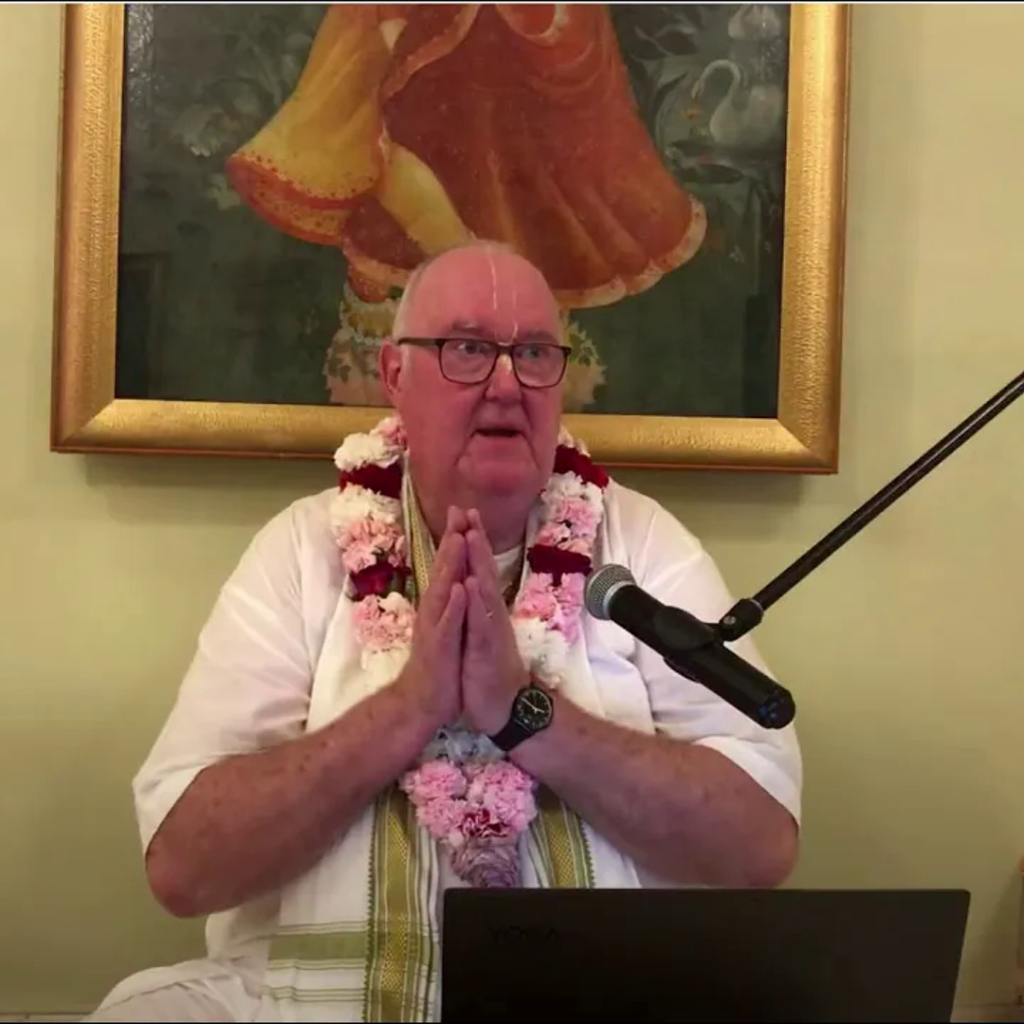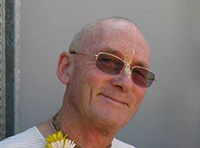
This analysis distills key insights from a class delivered by Adikarta dasa on Srimad-Bhagavatam (Bhagavata Purana) Canto 3, Chapter 19, text 35, presented on October 23, 2025, at the Hare Krishna temple in Alachua, Florida (ISKCON). Set within the episode entitled “The Killing of the Demon Hiraṇyākṣa,” the discussion illuminates how the Varaha avatāra safeguards the Earth and restores cosmic order, offering a clear window into Vaishnava theology and the ethics of dharma.
Within Canto 3’s narrative arc, Hiraṇyākṣa’s defiance symbolizes disorder and spiritual amnesia, while Varaha epitomizes divine protection and righteous courage. Text 35 is situated at a turning point that foregrounds responsibility, humility, and devotion as the means by which order is reestablished. The class examines these layers with careful scriptural framing, showing how the Bhagavata’s poetic theology invites both contemplation and practical application.
Adikarta dasa emphasizes that the Srimad-Bhagavatam cultivates bhakti not as sentiment but as actionable ethics. Courage without arrogance, humility without passivity, and devotion without escapism become the markers of an integrated life. This framing aligns with the broader Vaishnava bhakti tradition, where service, remembrance, and community engagement translate scriptural wisdom into daily choices. Listeners find the balance between transcendence and responsibility especially resonant, given the chapter’s vivid portrayal of Varaha’s protective compassion.
Themes from this class speak to a shared dharmic vocabulary across traditions. The insistence on restoring harmony parallels Buddhist karuṇā, Jain ahiṁsā and anekāntavāda, and the Sikh ideal of seva and the sant-sipahi ethos. Rather than elevating a single path, the discussion highlights unity in spiritual diversityan approach that honors Hinduism, Buddhism, Jainism, and Sikhism as complementary streams within a broader civilizational quest for truth, ethical clarity, and collective well-being.
Practical reflections arising from the talk include steady study of the Bhagavata Purana, disciplined japa and kirtan as stabilizing practices, and service-oriented leadership in family and community life. Ethical decision-making, guided by dharma and compassion, becomes a lived response to disorderlarge or small. In this way, the Alachua class models how classical scripture can inform modern life with intellectual rigor and spiritual depth.
Recorded in Alachua, Florida, the class offers both scholarly clarity and devotional warmth, making SB 3.19.35 accessible to students of scripture and seekers alike. By connecting Varaha’s narrative to the responsibilities of contemporary life, the session reveals the Srimad-Bhagavatam as a living textone that cultivates humility, steadiness, and cross-traditional harmony in pursuit of enduring dharma.
Inspired by this post on Dandavats.