
The Weekly Feed Archive for Wednesday, July 8, 2026, presents a compact but meaningful record of contemporary Gaudiya Vaishnava study, devotional observance, and reflective teaching. What first appears as a simple list of links becomes, on closer reading, a small map of how Krishna consciousness is sustained in daily practice: through Srimad Bhagavatam classes, Caitanya Caritamrita study, Ekadashi reflection, remembrance of saints, and practical inquiry into what spiritual life asks of the modern practitioner.
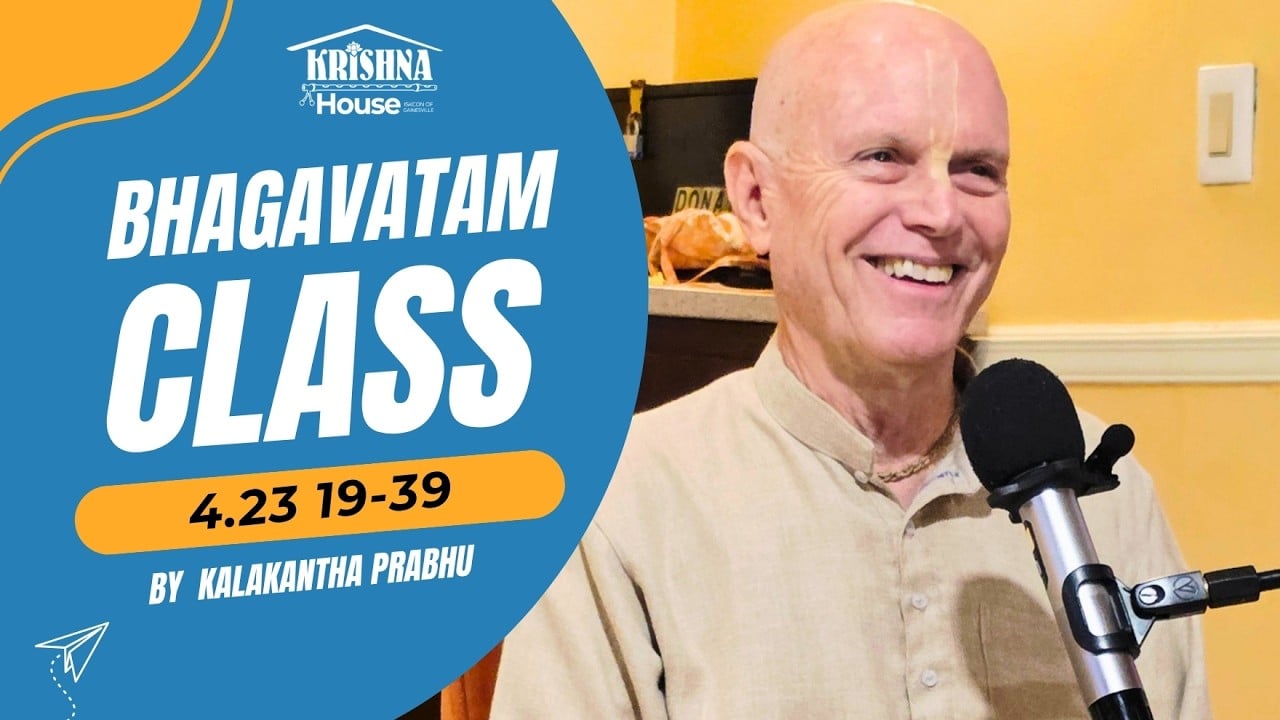
The archive is centered on a series of lectures and articles drawn from the Dandavats and related Vaishnava teaching ecosystem. Its entries include 07Jul2026 | SB3.16.22 – Bhanu Swami, Yogini Ekadashi Explained | The Sacred Fasting Day to Receive Lord Krishna’s Mercy, Srivasa Pandit Disappearance | Ramai Swami, You Bet Your Life, What is essential anyway?, Sun 05 July 2026 – CC Madhya 5.114-133 by Rupa Raghunath das., His Holiness Bhakti Dhira Damodara Swami Maharaj || SB-11.03.22 || 08-07-2026, 2026.06.05 – SB 3.24.13. Correct methodology (Rishikesh) – Bhakti Vijnana Goswami, and Bhagavatam Class 4.23 19-39 | Kalakantha Prabhu.
The strongest unifying thread in this archive is scripture as a living discipline. The repeated references to Srimad Bhagavatam, including SB3.16.22, SB-11.03.22, SB 3.24.13, and Bhagavatam Class 4.23 19-39, show a tradition that does not treat sacred text as a museum object. In Gaudiya Vaishnavism, Srimad Bhagavatam is studied as a theological, ethical, and devotional guide. It functions simultaneously as scripture, philosophy, narrative literature, and a manual for spiritual refinement.
That layered function matters. A Bhagavatam class is rarely only an explanation of a verse. It often includes Sanskrit vocabulary, contextual theology, philosophical comparison, practical instruction, and reflection on how the verse may be applied in human conduct. This is why the archive’s lecture titles are significant even when presented briefly. They indicate a continuing culture of listening, questioning, and disciplined interpretation within a living sampradaya.
The entry associated with Bhanu Swami and SB3.16.22 points toward the Third Canto of Srimad Bhagavatam, a section rich in cosmology, divine manifestation, and theological dialogue. Such classes typically require careful attention to context because Bhagavatam passages often combine metaphysical doctrine with devotional mood. The technical challenge is not merely to define terms, but to understand how ontology, ethics, and bhakti converge in a single verse.
The lecture by His Holiness Bhakti Dhira Damodara Swami Maharaj on SB-11.03.22 carries a different but complementary emphasis. The Eleventh Canto is especially valued for teachings on renunciation, spiritual intelligence, devotion, and the qualities of a sincere seeker. Within the broader Dharmic landscape, this kind of instruction helps preserve the link between inner transformation and outward responsibility. Spirituality is not reduced to emotion; it becomes a disciplined way of perceiving and acting.
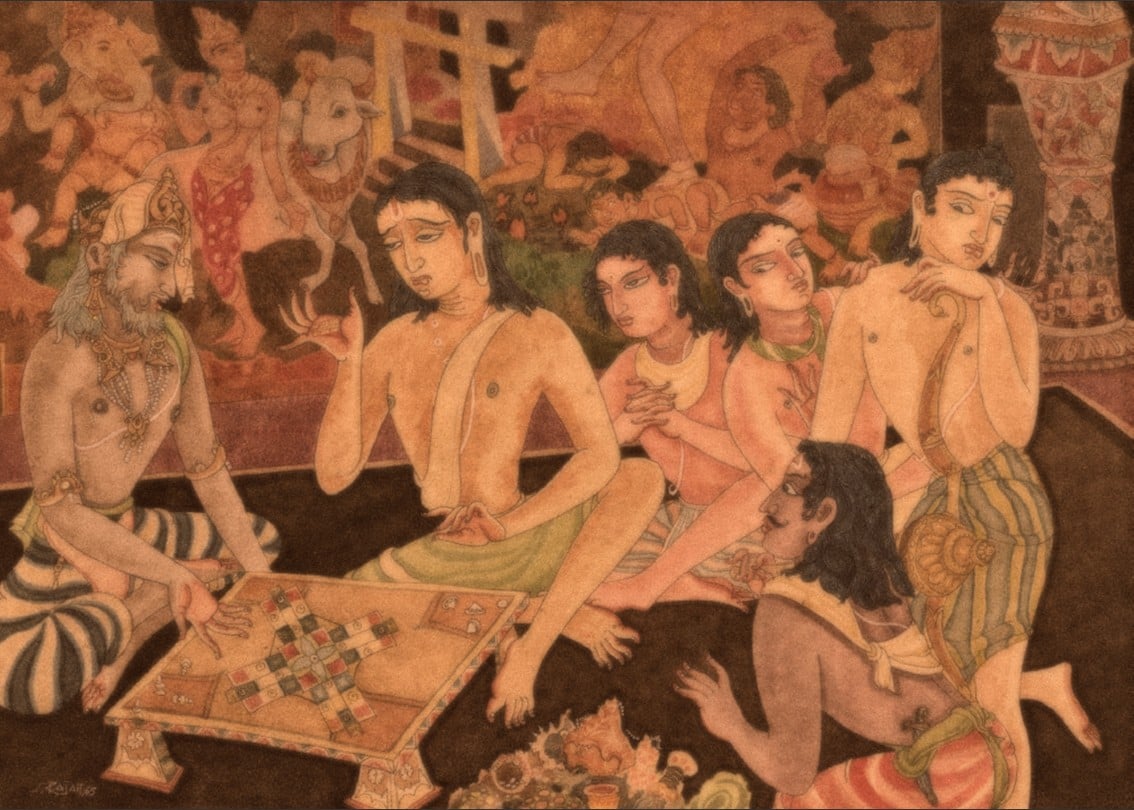
Bhakti Vijnana Goswami’s featured video, titled “Correct methodology,” raises an especially important issue for any serious student of Hindu scriptures and Dharmic traditions. Methodology is not a decorative academic concern. It determines whether scripture is approached with humility, context, linguistic care, and philosophical integrity, or whether it is flattened into isolated quotations. A sound method protects both meaning and devotion.
In this sense, the archive quietly gestures toward a larger problem in modern religious literacy. Many readers encounter sacred texts through fragments: a verse on social media, a translated line without context, or a polemical summary. Traditional study moves differently. It asks for lineage, grammar, commentary, teacher-guided reflection, and the discipline to let a text challenge one’s assumptions. That method is as relevant to Hinduism as it is to Buddhism, Jainism, and Sikhism, where scripture and commentary are also preserved through disciplined communities of interpretation.
The entry on Yogini Ekadashi adds the dimension of practice. Ekadashi, the eleventh lunar day, is observed in many Vaishnava communities through fasting, prayer, remembrance of Lord Krishna, and increased attention to devotional service. Its purpose is not only ritual restriction. It is a reorientation of desire. By voluntarily simplifying food and habit, the practitioner makes room for attention, gratitude, and dependence on divine grace.
Yogini Ekadashi is traditionally associated with purification and mercy. In a contemporary setting, its enduring value lies in how it trains the mind to pause. Modern life rewards constant consumption, rapid reaction, and sensory overload. Ekadashi interrupts that momentum. It creates a sacred interval in which the body, speech, and mind can be brought into alignment with sadhana. This is why Hindu fasting traditions remain psychologically and spiritually relevant beyond their ritual calendar function.
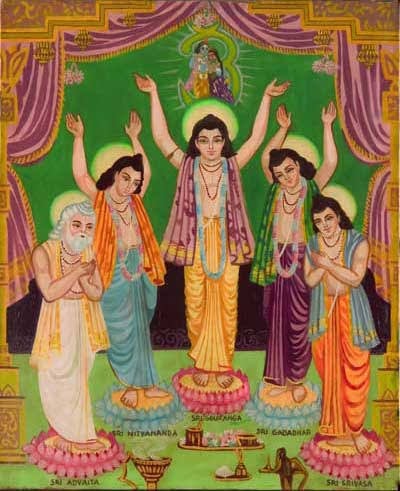
The archive’s remembrance of Srivasa Pandit through Ramai Swami’s presentation brings the emotional and historical heart of Gaudiya Vaishnavism into view. Srivasa Pandita is remembered as one of the intimate associates of Lord Caitanya and as a central figure in the early sankirtana movement. His home, Srivasa Angan, is revered as a sacred space where congregational chanting became a transformative expression of devotion, community, and divine love.
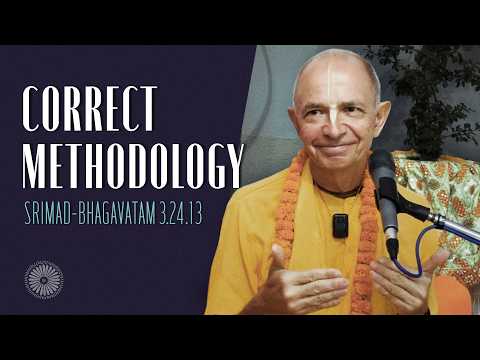
A disappearance day in Vaishnava tradition is not treated as an ordinary death anniversary. It is an occasion for remembrance, gratitude, and renewed commitment to the saint’s teachings. The term itself reflects a theological understanding that the devotee’s service continues beyond visible earthly presence. Such commemorations bind memory to practice: the community remembers not only who the saint was, but what kind of life becomes possible through devotion.
The Caitanya Caritamrita entry, “CC Madhya 5.114-133 by Rupa Raghunath das,” adds another crucial textual pillar. Caitanya Caritamrita is indispensable for understanding Lord Caitanya’s life, theology, and devotional movement. The Madhya-lila especially contains teachings, travels, debates, and devotional exchanges that shaped Gaudiya Vaishnava identity. Studying it alongside Srimad Bhagavatam reflects the tradition’s balanced engagement with both foundational scripture and the lived revelation of bhakti in history.
The older reflective pieces, “You Bet Your Life” and “What is essential anyway?”, suggest that the archive is not limited to formal scripture classes. It also preserves practical inquiry. Spiritual traditions survive not only through doctrinal precision but through recurring questions: What is truly essential? What is worth risking one’s life, time, energy, and attention for? What remains when external markers are stripped away?
These questions are not abstract. They touch ordinary life. Many devotees, students, and householders recognize the tension between aspiration and distraction. There is the desire to chant more attentively, study more regularly, serve with less ego, and live with greater integrity. Yet daily life often brings fatigue, social obligation, financial concern, and inner restlessness. The value of a feed archive like this lies in its ability to bring the practitioner back to first principles without theatrics.
From an academic perspective, the archive illustrates how digital religious communities now function as distributed learning networks. A single page can gather video lectures, festival explanations, saintly remembrances, and theological reflections across platforms. This is technically simple but culturally important. It allows seekers in different regions to remain connected to guru, scripture, calendar, and community even when they are geographically distant from a temple or study circle.
At the same time, digital access brings responsibility. The ease of consuming devotional media should not replace disciplined practice. Listening to a Bhagavatam class is most fruitful when paired with reflection, note-taking, discussion, chanting, and service. The archive therefore functions best not as passive content but as an invitation into a rhythm of study and application. The medium is digital; the aim remains transformation.
The archive also supports the broader goal of unity among Dharmic traditions. Although the material is specifically Vaishnava and centered on Krishna consciousness, its deeper themes resonate widely across Hinduism, Buddhism, Jainism, and Sikhism: disciplined remembrance, ethical refinement, reverence for teachers, scriptural study, restraint, service, and liberation from ego-centered living. These shared concerns do not erase theological differences. Rather, they create a respectful foundation for mutual recognition.
Such unity requires both clarity and generosity. Gaudiya Vaishnavism has its own theological grammar: Krishna as the Supreme Personality of Godhead, bhakti as the highest spiritual path, sankirtana as a central practice for the present age, and the guru-parampara as the living channel of instruction. Presenting these teachings carefully need not diminish other Dharmic paths. A mature Dharmic conversation allows each tradition to speak in its own voice while honoring the broader civilizational ecosystem of sadhana, dharma, and spiritual seeking.
The emotional force of this archive comes from its modesty. It does not announce a grand thesis. It simply gathers what a practicing community considered worth sharing on July 8, 2026. Yet in that gathering there is a portrait of continuity: scriptures being taught, sacred days being explained, saints being remembered, and devotees being encouraged to ask what is essential. Such continuity is one of the quiet strengths of Hindu spiritual culture.
For readers approaching these materials, the most practical path is to engage them slowly. A Bhagavatam class can be heard with one verse in focus. An Ekadashi explanation can be turned into a personal observance. A remembrance of Srivasa Pandit can inspire deeper appreciation for kirtan and community. A reflective essay can become a prompt for self-examination. The archive becomes valuable when it moves from screen to consciousness, from information to practice.
The July 8, 2026 archive ultimately stands as a devotional study guide in miniature. It brings together Srimad Bhagavatam, Caitanya Caritamrita, Yogini Ekadashi, Srivasa Pandita, Lord Krishna, and the practical question of essential spiritual living. Its contribution is not only archival. It reminds readers that the Dharmic life is sustained through repeated contact with wisdom, disciplined observance, and the humility to keep learning.
Inspired by this post on Dandavats.








Leave a Reply
You must be logged in to post a comment.