Rashi Stotrams refer to curated daily prayers aligned with the Moon sign (Janma Rashi) in Hindu astrology. Rooted in Vedic traditions (Vaidika sampradaya), this practice uses sound, devotion, and disciplined repetition to stabilize the mind (manas), refine intention (sankalpa), and harmonize karmic tendencies. The approach is inclusive, contemplative, and compatible with the broader dharmic ethos shared across Hinduism, Buddhism, Jainism, and Sikhism, where sacred recitation, mindfulness, and ethical living remain common threads.
Janma Rashi is the zodiac sign occupied by the Moon at birth. In classical jyotisha, the Moon signifies emotion, memory, and subjective perception, so Moon-based practices directly touch daily mood, attention, and resilience. While many modern readers recognize Sun-sign horoscopes, remedial disciplines in Hindu astrology typically prioritize the Moon sign for nitya parayana (daily recitation), because the Moon reflects the swiftly changing mind and the rhythms of home and community life.
Stotram (stotra) is a devotional hymn that encodes philosophical insight and sacred sound into metrical Sanskrit. Traditional stotras, transmitted across Itihasa, Purana, and stotra-kosha literature, serve simultaneously as prayer and as contemplative method. When recited with steadiness of breath, clear pronunciation, and a sattvic lifestyle, they are described as refining the inner climate, supporting clarity, compassion, and equanimity. This synthesis of devotion and discipline is central to Vedic mantras and to the lived practices of householders and ascetics alike.
A widely accepted method for choosing a Rashi Stotram is to recite the hymn of the planetary lord (graha-adhipati) of the Moon sign. The Parashari scheme establishes clear sign-lordship, and some paramparas also consider auxiliary influences (such as the Moon’s tithi, nakshatra, or chaya-grahas). The following guidance reflects mainstream practice, with respectful acknowledgment that regional traditions may adapt details while honoring the same dharmic principles.
Mesham (Aries) — ruled by Mars (Mangala): Traditions commonly prescribe Angaraka or Kuja stotras to channel Mars’ courage into disciplined action rather than reactivity. Subrahmanya Bhujangam is also esteemed for harmonizing assertive energy with devotion. Many householders additionally include Hanuman worship to stabilize Mars and cultivate fearless service. This stream is often summarized under Mesha Rashi Stotram in practitioner handbooks.
Vrishabham (Taurus) — ruled by Venus (Shukra): Shukra stotras and kavachas are recommended to refine aesthetics, relationships, and prosperity with ethical restraint. Sri Suktam and Lakshmi Ashtottara Sata Namavali are frequently included to align material well-being with inner contentment. This constellation of practice supports gentle strength and generosity.
Mithunam (Gemini) — ruled by Mercury (Budha): Budha stotras are favored for clarity of speech, analysis, and adaptable intelligence. In many lineages, Vishnu-oriented hymns (such as Vishnu Sahasranama) and Ganesha prayers are added to stabilize learning and fortify discrimination (viveka) without restlessness.
Karkatakam (Cancer) — ruled by the Moon (Chandra): Chandra stotras nurture emotional balance and restful sleep while softening reactivity. Shiva-oriented practice, including the Maha Mrityunjaya Mantra, is widely recommended for inner steadiness and renewal. Gentle evening recitation helps calm the mind’s tides.
Simham (Leo) — ruled by the Sun (Surya): Aditya Hridayam holds a revered place for vitality, clarity of purpose, and dignified leadership anchored in dharma rather than ego. Surya ashtottara and Surya namaskara mantras are often included to strengthen prana, discipline, and luminous steadiness throughout the day.
Kanya (Virgo) — ruled by Mercury (Budha): Budha stotras again support precision, service, and health routines. Hayagriva invocations appear in many learning traditions to protect memory and deepen understanding without anxiety, marrying intellectual rigor with devotional humility.
Tula (Libra) — ruled by Venus (Shukra): Shukra stotras, Sri Suktam, and Lalita-oriented recitations are used to balance refinement with principle. The emphasis is on harmony, fairness, and beauty guided by responsibility and reciprocity rather than indulgence.
Vrischikam (Scorpio) — ruled by Mars (Mangala): Kuja stotras and Subrahmanya worship help transmute intensity into courage, research, and protection. Some paramparas add Ketu-oriented hymns for insight and detachment. Well-guided practice here turns depth and secrecy into healing and wise stewardship of power.
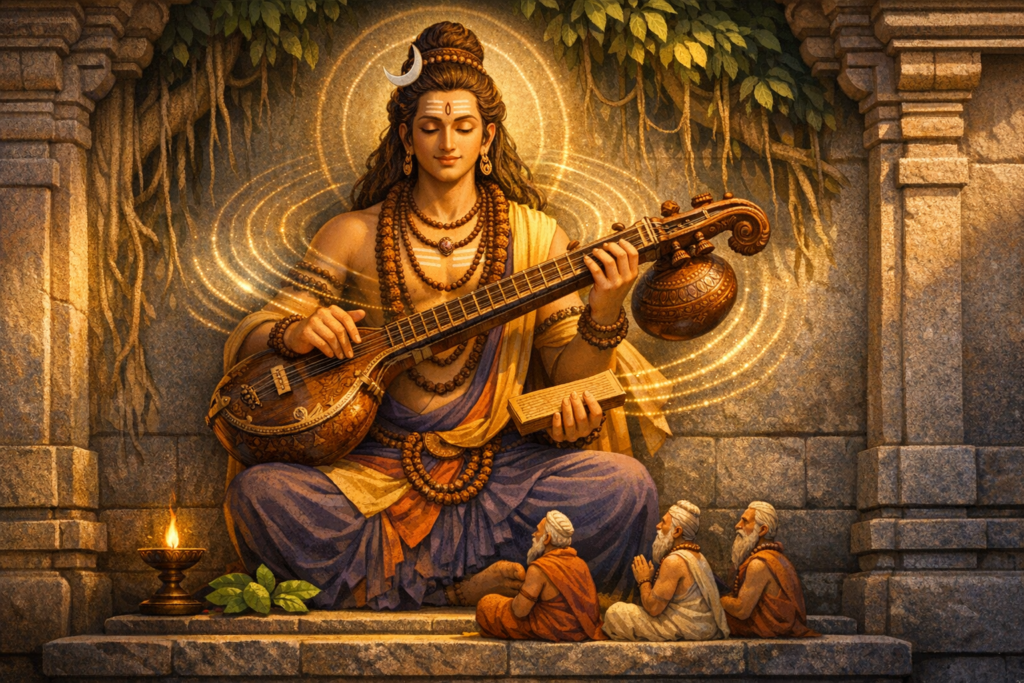
Dhanu (Sagittarius) — ruled by Jupiter (Guru): Brihaspati stotras, Guru Stotram, and Dakshinamurti hymns are recommended for wisdom, ethics, and cheerful perseverance. Vishnu Sahasranama is frequently incorporated, as many households experience its cadence as stabilizing, devotional, and clarifying.
Makaram (Capricorn) — ruled by Saturn (Shani): Shani stotras, including Neelanjana Samabhasam and kavacha traditions, emphasize patience, duty, and compassion born of lived experience. Many reciters include Hanuman Chalisa to cultivate fearlessness, humility, and steady service through demanding phases.
Kumbham (Aquarius) — ruled by Saturn (Shani): Shani-focused practice continues, sometimes with Rahu hymns per lineage guidance, to transform unconventional vision into practical service. Devotees often report that disciplined recitation translates ideals into community benefit without cynicism.
Meenam (Pisces) — ruled by Jupiter (Guru): Brihaspati and Vishnu-oriented hymns, including Narayana invocations, are favored to deepen devotion, compassion, and contemplative poise. This stream shores up empathy with clear boundaries and purposeful action.
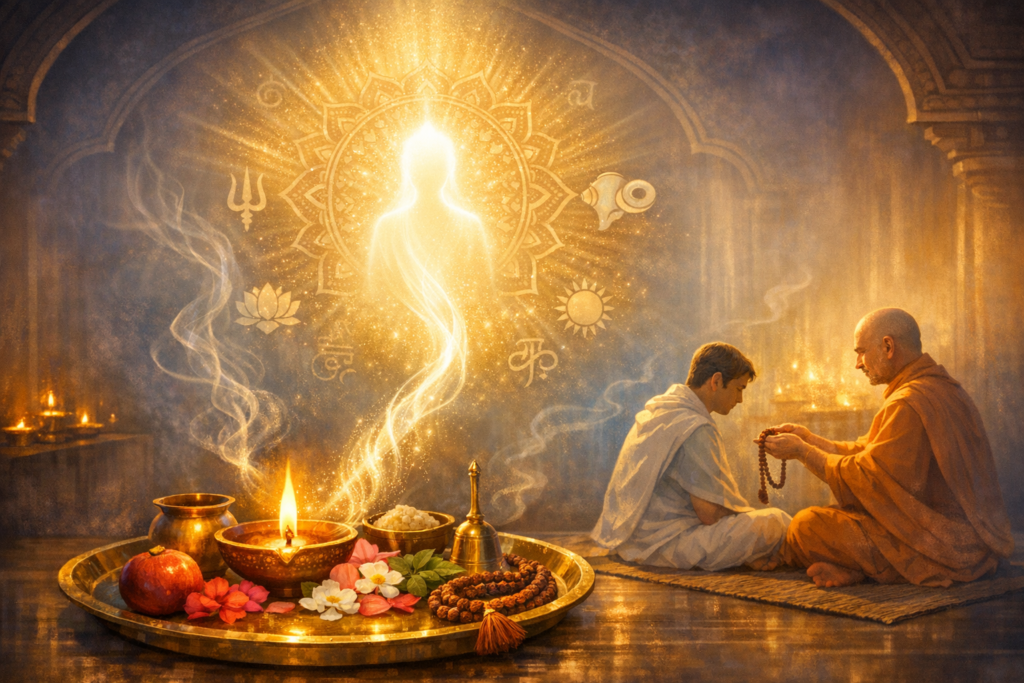
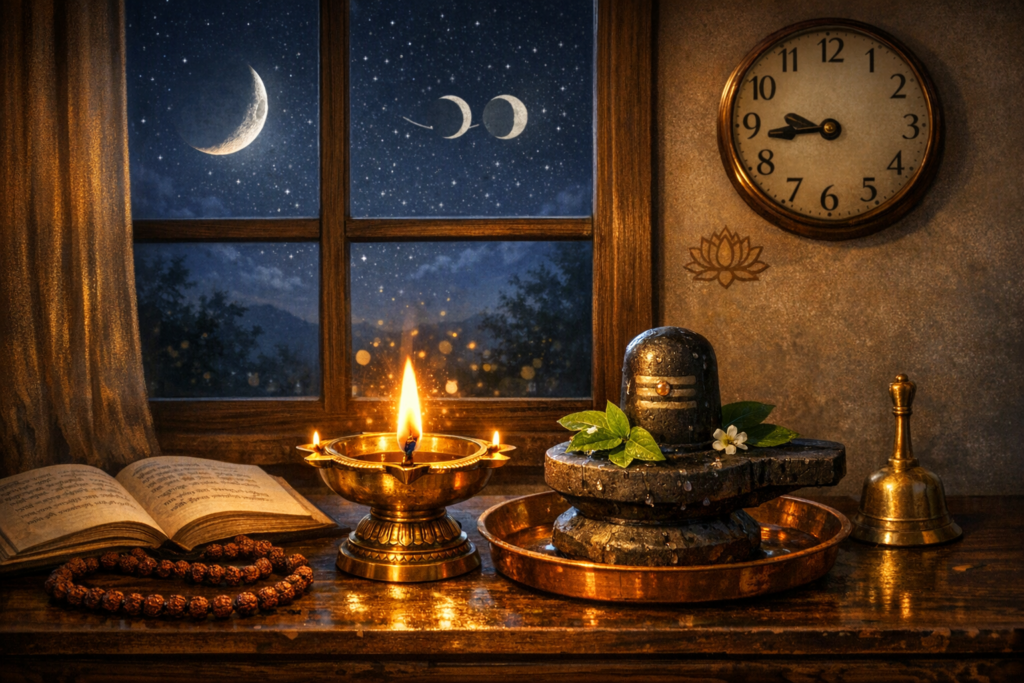
The lived experience of daily Rashi Stotrams is simple, accessible, and precise. A typical nitya parayana includes a brief sankalpa (intention), purification with water, lighting a lamp (deepa), a short breath-centering, and recital of the chosen hymn 11, 21, or 108 times. The practice is traditionally performed during Brahma muhurta or in a quiet evening window, though householders may reasonably adapt to work and caregiving schedules. Consistency, sincerity, and sattvic conduct amplify the fruits of recitation more than sheer volume.
Pronunciation matters, yet accessibility matters too. Beginners may use reliable transliterations while gradually improving pronunciation under guidance. A calm, unforced voice, steady rhythm, and undistracted attention are more important than speed. If the exact Moon sign is unknown, a qualified jyotishi can calculate it from a birth chart; until then, many begin with Navagraha stotras, Vishnu Sahasranama, or Shiva’s Maha Mrityunjaya Mantra as universally beneficial practices within Vedic Traditions.
Households often align simple ritual elements with graha symbolism to reinforce contemplative mood: a ghee lamp for Surya, white offerings for Chandra, red accents for Mangala, green or tulasi for Budha, fragrant flowers for Shukra, sesame (tila) for Shani, and yellow for Brihaspati. These details are secondary to intention and ethics; the core principle is devotion joined with responsibility in daily life.
Across dharmic traditions, the method is familiar: disciplined sound and remembrance transform attention. Hindu stotras, Buddhist paritta and Pali chanting, the Jain Namokara Mantra, and Sikh Nitnem and gurbani kirtan all cultivate presence, compassion, and ethical clarity. While forms and theologies differ, the shared aim is inner purification and wise action for the common good. Emphasizing this unity in diversity strengthens mutual respect and collective well-being.
From a contemporary perspective, regular recitation is a structured attention practice. Breath-synchronized chanting can calm autonomic arousal, reduce rumination, and improve mood regulation. Devotees often describe better sleep, steadier focus, and kinder speech over time. Classical texts frame these benefits as the mind naturally reflecting sattva when immersed in sacred sound; modern language would highlight neurocognitive entrainment, habit formation, and values-based commitment—all converging on the same outcome: clarity joined with compassion.
Several practical clarifications help sustain momentum. Personalization is wise; if a rashi-based hymn feels inaccessible, begin with a universally loved stotra and add the rashi selection later. If life is turbulent, shorter but more consistent sessions are preferable to occasional marathons. When confusion arises between nakshatra-based and rashi-based prescriptions, follow one method steadily for at least one lunar month before reevaluating. In complex charts, a competent jyotishi or guru can refine the sequence without undermining the spirit of the practice.
In essence, Rashi Stotrams are not superstition or mere ritual, but a pedagogical technology preserved by the Hindu Dharma to shape attention, speech, and conduct. By aligning Moon-sign psychology with the stotra of its ruling graha, the practice becomes focused and testable in daily life. As with other dharmic recitation lineages, sincerity, ethical living, and service to family and community are the true amplifiers of benefit.
A gentle closing sankalpa may be kept in mind: may this daily practice bring inner steadiness, understanding across traditions, and tangible kindness in action. In honoring Mesham (Aries), Vrishabham (Taurus), Mithunam (Gemini), Karkatakam (Cancer), Simham (Leo), Kanya (Virgo), Tula (Libra), Vrischikam (Scorpio), Dhanu (Sagittarius), Makaram (Capricorn), Kumbham (Aquarius), and Meenam (Pisces), the practitioner honors the shared tapestry of Sanatana Dharma and the wider family of dharmic paths, advancing unity through lived practice.
Inspired by this post on Hindu Pad.