A senior Samajwadi Party functionary in Uttar Pradesh was arrested in late March for derogatory remarks about Lord Ram and Sita; the party promptly expelled the leader. The episode, reported from Lucknow, quickly escalated into a statewideand then nationalflashpoint, with the Bharatiya Janata Party (BJP) amplifying a Hindutva-centered message as campaign machinery accelerates toward upcoming electoral cycles in Uttar Pradesh and West Bengal. Beyond immediate political ripples, the case sits at the intersection of Indian criminal law, electoral regulation, and the ethical responsibilities of public discourse in a deeply plural society.
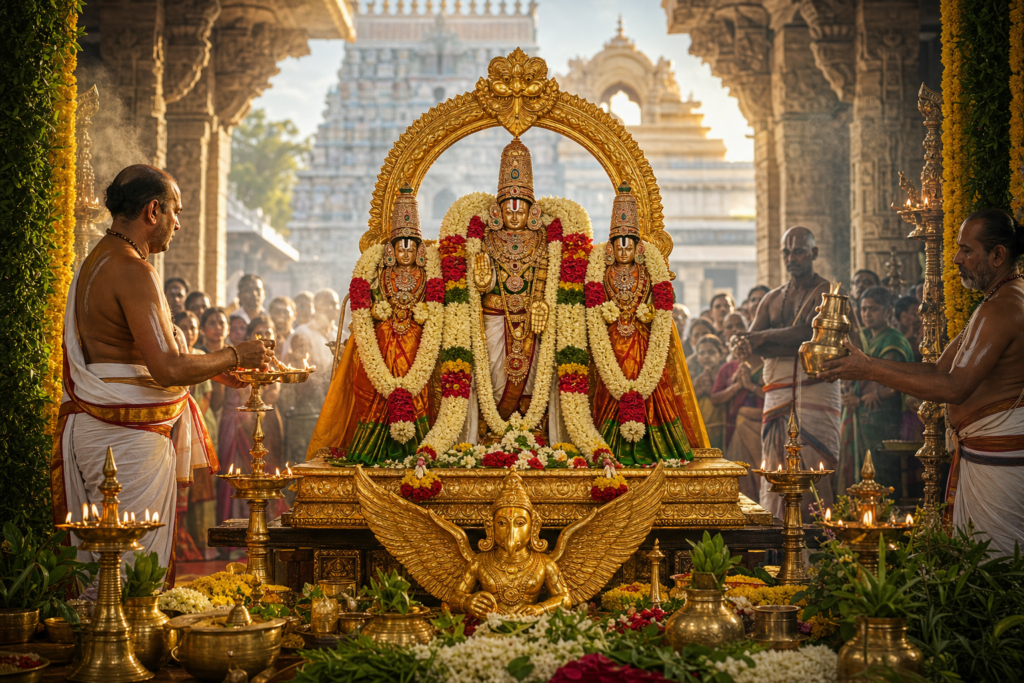
At the heart of the public response lies the significance of Lord Ram and Sita for millions who revere them as embodiments of maryada (ethical rectitude) and steadfast virtue. Derogatory references to these figures predictably trigger hurt among devotees, but they also unsettle a wider dharmic commons: Ramayana traditions traverse Hindu, Buddhist, and Jain canons, while the name “Ram” appears as a divine epithet in Sikh scripture. The breadth of this shared moral and cultural inheritance underscores why inflammatory rhetoric about Ram and Sita can reverberate far beyond partisan lines.
The legal architecture governing such incidents is well defined. Freedom of speech under Article 19(1)(a) of the Constitution is subject to reasonable restrictions under Article 19(2) in the interests of public order and morality. In practice, police often invoke Sections 295A (outraging religious feelings), 153A (promoting enmity between groups), and 505(2) (statements conducing to public mischief) of the Indian Penal Code (IPC) in cases involving religious insult and potential communal disharmony. Section 295A, in particular, is cognizable and non-bailable, triable by a Magistrate of the first class; courts have consistently emphasized that the provision targets “deliberate and malicious intention,” a standard articulated in Ramji Lal Modi v. State of Uttar Pradesh (1957) and developed in subsequent jurisprudence.
Procedurally, cases of this nature begin with registration of a First Information Report (FIR), often followed by arrest when police assess a risk to public order or flight. The Criminal Procedure Code (CrPC) provides both guardrails and tools: Section 41 governs arrest without warrant in cognizable cases; Section 41A empowers issuance of notices for appearance to avoid unnecessary arrest. The threshold questions that shape bail and trial outcomes typically revolve around intent, context, and the likelihood of public disordera triad the Supreme Court has used to balance liberty and order.
Digital dissemination compounds the challenge. Short clips, stripped of context, can go viral within minutes, magnifying offense and catalyzing street-level tensions. Since Shreya Singhal v. Union of India (2015) struck down Section 66A of the IT Act, enforcement has relied on a combination of IPC provisions, Section 69A blocking powers, and the 2021 Intermediary Guidelines, which set due-diligence obligations for platforms. The evidentiary record in such cases often hinges on authenticated device forensics, original file hashes, and chain-of-custody protocolselements that protect both due process and public interest.
Electoral law supplies an additional layer. The Election Commission’s Model Code of Conduct (MCC) prohibits appeals to caste or communal feelings and condemns inflammatory rhetoric. Section 123(3) of the Representation of the People Act, 1951, deems certain religious appeals a corrupt practice. In periods proximate to major polls, authorities assess potentially incendiary speech through the dual lenses of public order and electoral fairness, with prompt censure, de-platforming requests, or star-campaigner suspensions where warranted.
Politically, the Samajwadi Party’s swift expulsion signaled damage control, message discipline, and an attempt to separate party identity from an individual’s incendiary statement. The BJP’s countermessaging positioned the episode as a defense of faith and law-and-orderan approach consistent with a broader Hindutva frame visible in Uttar Pradesh and increasingly salient in West Bengal as the state moves toward its assembly contest. Both strategies reflect a data-driven era of microtargeting, where parties race to define the narrative terrain before undecided voters consolidate preferences.
Amid the churn, the imperative of dharmic unity deserves deliberate emphasis. The Ramayana’s Jain retellings (such as Vimalasuri’s Paumacariya), Buddhist iterations (like the Dasaratha Jataka), and the devotional resonance of “Ram” in Sikh bani collectively testify to a civilizational tapestry that transcends sectarian lines. Safeguarding this shared inheritance requires a discourse of dignity: firm rejection of derogation, careful contextualization when critique is scholarly or artistic, and a public ethic that favors restorative over vengeful instincts.
From a governance standpoint, proportionate and even-handed enforcement is essential. Authorities should promptly secure original digital evidence, document reasons for arrest versus summons, and communicate legal bases to the public to prevent rumor cascades. Courts, for their part, can prioritize time-bound adjudication to avoid the chilling effects of prolonged uncertainty while maintaining sensitivity to legitimate community concerns about blasphemy-like injuries to faith.
Political organizations can reduce risk by instituting internal speech protocols: pre-approval workflows for public remarks, rapid-response teams for clarifications or apologies, and regular training on the IPC, MCC, and platform policies. These measures, common in corporate compliance, translate well to high-velocity campaign environments where one unscripted statement can derail months of coalition-building.
Civil society and media platforms carry parallel responsibilities. Responsible reporting that eschews sensationalism, contextualizes excerpts with full transcripts, and foregrounds legal facts over partisan framing can reduce heat while preserving light. Including perspectives from across Hindu, Buddhist, Jain, and Sikh communitieseach with a living stake in Ramayana-linked valueshelps model the plural, confident ethos that the dharmic family aspires to sustain.
Looking ahead, several inflection points merit attention: the specific IPC sections ultimately invoked; bail determinations keyed to intent and public-order risk; any Election Commission advisories if campaign speech is implicated; and platform moderation decisions under India’s intermediary rules. Each node will signal how institutions balance free expression, religious respect, and electoral integrity in a polarized information ecosystem.
In sum, this episode illustrates three converging realities: legal tests that hinge on deliberate and malicious intent; political incentives that reward rapid narrative capture; and a civilizational duty to protect icons like Lord Ram and Sita without abandoning constitutional guardrails. A constructive, dharmic path forward lies in principled speech, consistent enforcement, and a renewed commitment to unity across Hindu, Buddhist, Jain, and Sikh traditionsso that necessary accountability strengthens, rather than frays, the shared moral fabric.
Inspired by this post on Struggle for Hindu Existence.