-
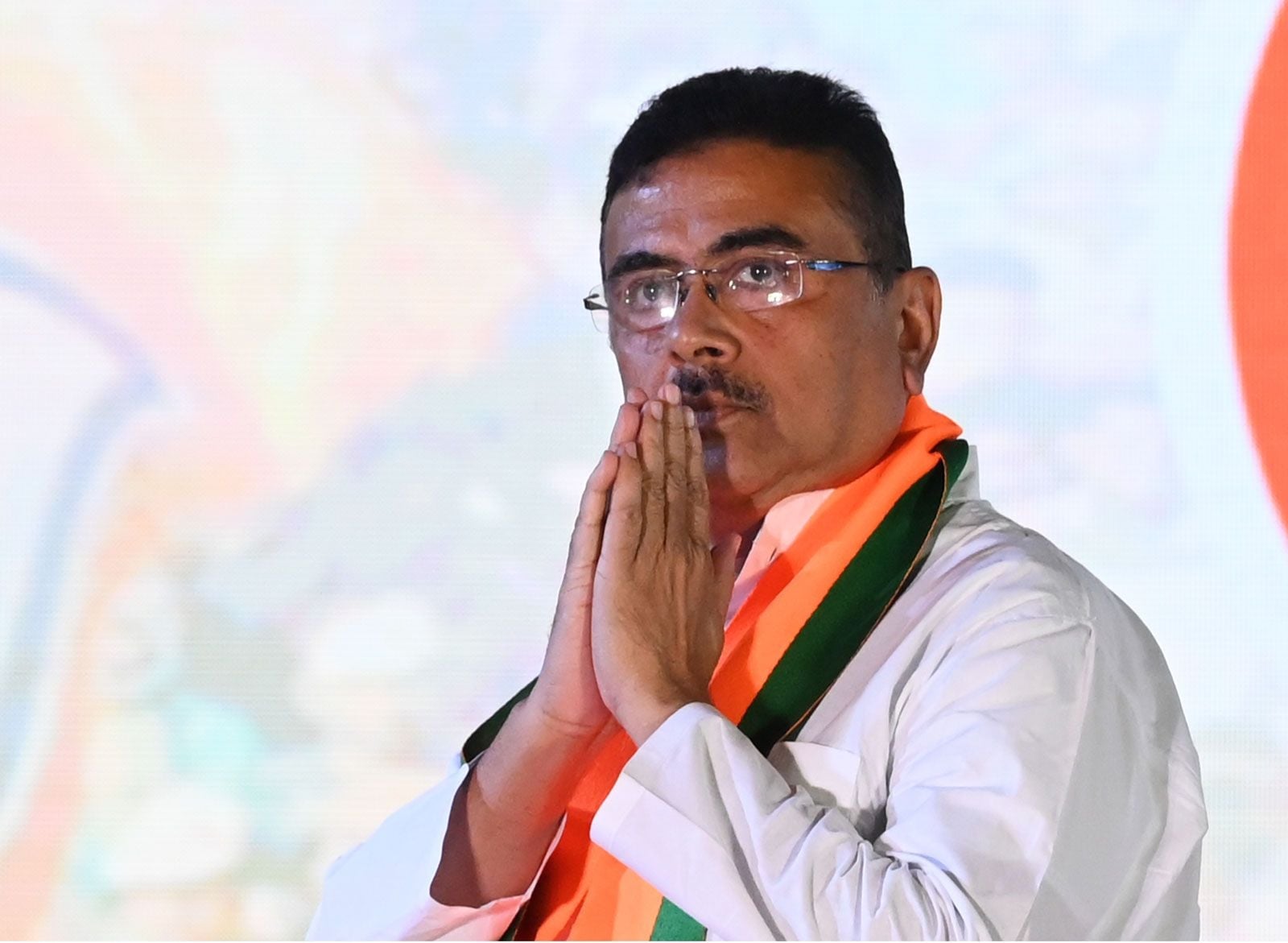
From Oath to Pilgrimage: WB CM Suvendu Adhikari’s Temple-Ashram Tour Redefines Politics in Bengal

Suvendu Adhikari’s transition from constitutional oath to a visible temple–ashram tour signals a strategic realignment of West Bengal’s politics around heritage governance, sacred geography, and social-service partnerships. The approach blends symbolic legitimacy with actionable policy on pilgrimage infrastructure, conservation, and community welfare. Engaging institutions such as Bharat Sevashram Sangh, and spiritual leaders including Swami Pradiptananda…
-
Historic Turning Point in West Bengal: Suvendu Adhikari to be sworn in as first BJP CM on May 9

Reports from Kolkata indicate that Suvendu Adhikari is slated to take oath on May 9 as West Bengal’s first BJP Chief Minister, pending formal confirmation by Raj Bhavan. The moment marks a historic turning point in a state long led by the Left Front and TMC, and it will test a new model of governance,…
-
Hindu Vote Consolidation as BJP’s Force Multiplier: West Bengal’s Dramatic Recast

This in-depth, data-grounded analysis explains how Hindu vote consolidation acted as a force multiplier for the BJP in West Bengal under India’s first-past-the-post system. It traces the timeline from marginal presence to principal opposition, showing how social coalitions (including Namasudras and Rajbanshis), booth-level organization, and welfare credibility combined to reshape competitiveness. The piece differentiates necessary…
-
Seismic Bhabanipur Verdict: Parsing Bengal’s Shift and Suvendu Adhikari’s ‘Hindutva Mandate’

The Bhabanipur verdict has been cast by Suvendu Adhikari as a “Hindutva mandate,” signaling a high-stakes shift in West Bengal politics. This analysis unpacks what such framing means under first-past-the-post dynamics, why Bhabanipur’s symbolism matters, and how identity narratives interact with everyday issues like safety, inflation, and welfare. It offers a data-aware lens for assessing…
-
West Bengal 2026: Hindu vote consolidation, security concerns, middle-class shift power BJP sweep

West Bengal’s WB Assembly Election 2026 is widely read as a decisive BJP sweep after fifteen years of TMC rule, driven by Hindu vote consolidation, security concerns, and a pronounced middle-class realignment. This analysis unpacks how identity politics was reframed within a dharmic-pluralist, constitutional lens that respects Hindu, Buddhist, Jain, and Sikh traditions. It explains…
-
VHP’s Milind Parande Backs BJP in Bengal: Security, Demography and a Dharmic Unity Plan for 2026

At a 1 May 2026 press interaction in Shimla, VHP’s Milind Parande said a future BJP government in West Bengal would work in Hindus’ interest, foregrounding security and demographic concerns ahead of WB Assembly Election 2026. This analysis interprets those claims through India’s constitutional guarantees (Articles 14–15, 25–30), outlining how community safety and religious freedom…
-
UP SP leader’s arrest over Ram–Sita remarks: legal flashpoints, poll stakes, and dharmic harmony

A senior Samajwadi Party leader in Uttar Pradesh was arrested and expelled for derogatory remarks about Lord Ram and Sita, igniting a high-stakes political and legal confrontation as elections approach in UP and West Bengal. This analysis explains the applicable law (IPC 295A, 153A, 505(2)), the constitutional balance between free speech and public order, and…
-
RSS’s Quiet Playbook in Bengal 2026: Soft Hindutva, Silent Cadres, and a High‑Risk Path to Power

West Bengal’s 2026 contest is increasingly shaped by the RSS’s low‑decibel “silent mobilisation,” which builds influence through social service, culturally fluent messaging, and booth‑level discipline. This analysis maps the quiet playbook—cadre routines, women‑centric outreach, hyperlocal digital channels, and issue‑anchored communication—and weighs its rewards and risks in a plural, welfare‑savvy polity. It explains how soft Hindutva…
-
Inside West Bengal’s Quiet Mobilization: RSS ‘jagaran,’ Identity Politics, and 2026 Stakes

Reports from West Bengal point to a quiet, neighborhood-level mobilization linked to RSS affiliates, popularly described as a ‘jagaran’ or awakening campaign. This long-form analysis separates organizational mechanics, legal-constitutional boundaries, and socio-cultural textures from partisan claims. It explains how booth-level turnout engineering, welfare credibility, and trusted intermediaries often shape outcomes more than large rallies. It…
-
Ram Temple Era in Bengal: Mamata’s Soft Hindutva, BJP Identity Politics, and a Call for Dharmic Unity

The Ram Temple era has intensified political competition in Bengal, as TMC and BJP recalibrate strategies around faith, identity politics, and governance. Mamata Banerjee’s soft Hindutva signaling, including public invocations like “Jai Mahakal.”, seeks to reassure Hindu voters while upholding a plural coalition. The BJP leverages Ayodhya’s symbolic momentum to deepen outreach and consolidate support…
-
BJP’s Hindutva Calculus in Tamil Nadu and West Bengal: High‑Stakes Strategy, Higher Rewards

The BJP’s push into Tamil Nadu and West Bengal represents a calculated risk in two states defined by strong identity politics and entrenched incumbents. The analysis outlines how Dravidian and Bengali cultural legacies shape voter behavior beyond conventional campaign messaging. It explains why governance-first strategies—jobs, health, education, MSME support, and rule of law—can outperform polarizing…