Hinduism, one of the world’s oldest living traditions, understands divinity as spacious and many-sided. Rather than confining God to a single definition, it embraces Religious diversity in Hinduism as a strength, allowing God to be personal and impersonal, with form and beyond form, immediate and transcendent. This expansive view, rooted in Hindu scriptures and Vedic tradition, invites seekers to encounter the sacred in ways that align with temperament, culture, and conscience.
A central key to this inclusivity is the concept of Ishta in Hinduismone’s chosen way of approaching the Divine. Ishta-devatā does not reduce truth to preference; it recognizes that individuals flourish through different spiritual gateways. For some, devotion to Krishna through kīrtana and Bhakti Tradition awakens love and moral clarity; for others, silent meditation upon Brahman illuminates the formless ground of reality. Both are affirmed as authentic paths within Hindu philosophy.
Hinduism’s philosophical schools further reveal this compassionate breadth. Advaita Vedānta emphasizes nondual Brahman; Viśiṣṭādvaita presents a qualified nonduality where the personal God embraces all; Dvaita affirms an eternal relationship between devotee and Divine. Rather than canceling one another, these views map different terrains of the same spiritual landscape, illustrating Unity in Diversity at the heart of the tradition.
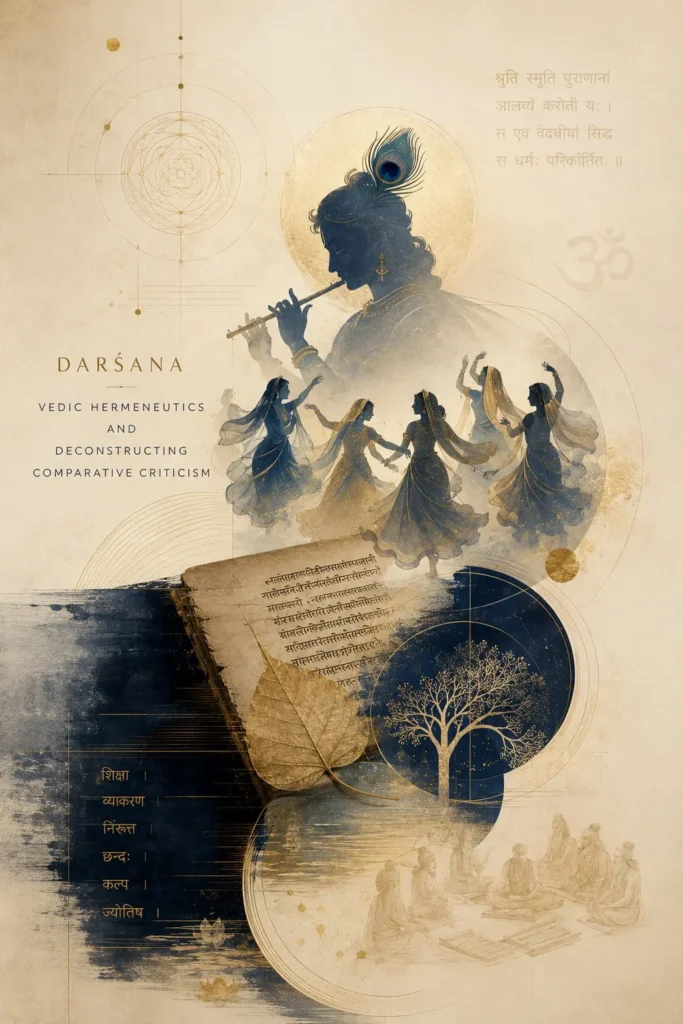
Scriptural voices echo this harmony. The Upanishads speak of the ineffable ground of being, while the Bhagavad Gita affirms that the Divine responds according to each seeker’s approach. The Vedic insight “Ekam sat viprā bahudhā vadanti.” conveys that truth is one, expressed in many ways. Together, these texts legitimize plurality as a principle of wisdom, not a compromise.
Lived experience across India makes this pluralism tangible. A pilgrim may greet sunrise on the Ganga in quiet contemplation, a family may celebrate Devi with lamps and songs, and a community may gather for Shiva-rātri in collective prayer. In each case, the sacred is encountered through distinct practices that foster reverence, ethical action, and community cohesionan everyday expression of Religious pluralism in India.
This inclusive ethos naturally extends to the wider family of Dharmic traditions. Buddhism’s meditative insight into impermanence and śūnyatā, Jainism’s Anekantavada and ahimsa, and Sikhism’s Naam Simran and affirmation of Ik Onkar converge with Hinduism’s openness to multiple paths. Such resonances nurture interfaith understanding, encourage dialogue, and strengthen a culture of compassion and shared purpose.
The social implications are profound. When multiple pathways to the sacred are honored, communities build trust, festivals become shared spaces, and ethical commitments deepen. Religious tolerance in Hinduism is not mere coexistence; it is a principled affirmation that diversity, responsibly held, enriches both personal transformation and the common good.
Practically, seekers can align their Ishta with their inner disposition (bhāva) and life stage. A contemplative may prefer Upanishadic meditation; a devotee may thrive in Bhakti sādhanā; a household may weave daily puja with study of Hindu scriptures and reflective silence. Small, steady practiceschanting, mindful action, scriptural reading, and serviceanchor spiritual growth while honoring others’ chosen paths.
Ultimately, Hinduism’s inclusive vision shows why God means many things to people: the Divine exceeds any single form or formula, yet becomes lovingly accessible through manifold expressions. By affirming many valid approaches and celebrating Dharmic unity, this tradition offers a robust, compassionate framework for personal meaning, communal harmony, and a life attuned to truth.
Inspired by this post on Hindu Blog.