Within the expansive spiritual landscape of Hinduism, Dharma Śāstā—widely identified with Lord Ayyappa—appears across multiple archetypal manifestations that regional traditions often summarize as the Ashta Sastha. Among these, Veera Shasta crystallizes the ideals of “Veerya” (heroic valor) and “Shaurya” (martial prowess), offering a disciplined, ethical expression of power that protects, guides, and restores balance. Far from endorsing aggression, this vīra (heroic) current is framed as responsibility in action: courage yoked to dharma, clarity, and compassion.
The Ashta Sastha framework, as preserved in temple liturgies, sthala-purāṇas, and oral lineages across Kerala and Tamil Nadu, distinguishes complementary dispositions of Śāstā—the contemplative (yoga), the householderly (bhoga), and the protective (vīra) among them. While lists vary by region and sampradāya, the synthesis remains constant: the same Dharma Śāstā that blesses through meditation and domestic harmony is also the vigilant guardian who stands ready to defend the vulnerable and uphold cosmic and social order.
Philologically, “Śāstā” derives from the Sanskrit root śās, “to instruct, to govern,” underscoring a dual role: teacher and governor of dharma. The Hariharaputra motif—Ayyappa as the son of Śiva and Viṣṇu (as Mohini)—encodes this synthesis by uniting ascetic stillness with preservational care. Although textual attestations arise across Purāṇic and regional sources, the robust living memory of Śāstā thrives most visibly in Kerala’s temple culture and the famed Sabarimala pilgrimage, where vows of discipline, equality, and service shape a distinct dharmic ethos.
Veera Shasta’s iconography expresses readiness, restraint, and righteous action. Unlike Yoga Shasta—often depicted seated with a yogapaṭṭa—Veera Shasta is frequently represented standing or astride a mount, with a warrior’s poise. In Kerala and Tamil iconographic repertoires connected to Śāstā and the cognate guardian Aiyanar, depictions may include a sword and shield, bow and arrow, or a staff, complemented by the gestures of protection and generosity (abhaya and varada). The presence of a moustache, the warrior’s belt, and a dynamic stance embody preparedness; in some shrines, the flanking forms of Pūrṇa and Puṣkalā point to the integrative household-protective role of Śāstā, while the Sabarimala Ayyappa remains the ideal of a naishthika brahmachari.
The weapons and vehicles associated with Veera Shasta are themselves teaching devices. The bow signifies foresight and disciplined intent; the arrow symbolizes decisive yet proportionate action; the sword (read as viveka, discriminative insight) cuts through confusion; the shield encodes dhṛti—fortitude and self-protection. Mounts such as the horse (speed governed by training) or the tiger (raw power sublimated to purpose) dramatize how instinct is not suppressed but ethically harnessed.
Philosophically, Veera Shasta is a rigorous exposition of Kshatra Dharma—the righteous obligation to safeguard life, dignity, and order. In the Mahābhārata and the Bhagavad Gītā, dharma-yuddha frames combat not as license but as limitation: legitimate only when rooted in right intent (śuddha-saṅkalpa), aimed at restoring justice, and continually subordinated to compassion and restraint. In this light, “Veerya” is not mere physical daring; it is the inner consolidation of tejas (moral radiance) and ojas (vital strength) guided by sattva (clarity and balance). The vīra-bhāva, therefore, is ultimately a contemplative discipline expressed through noble conduct.
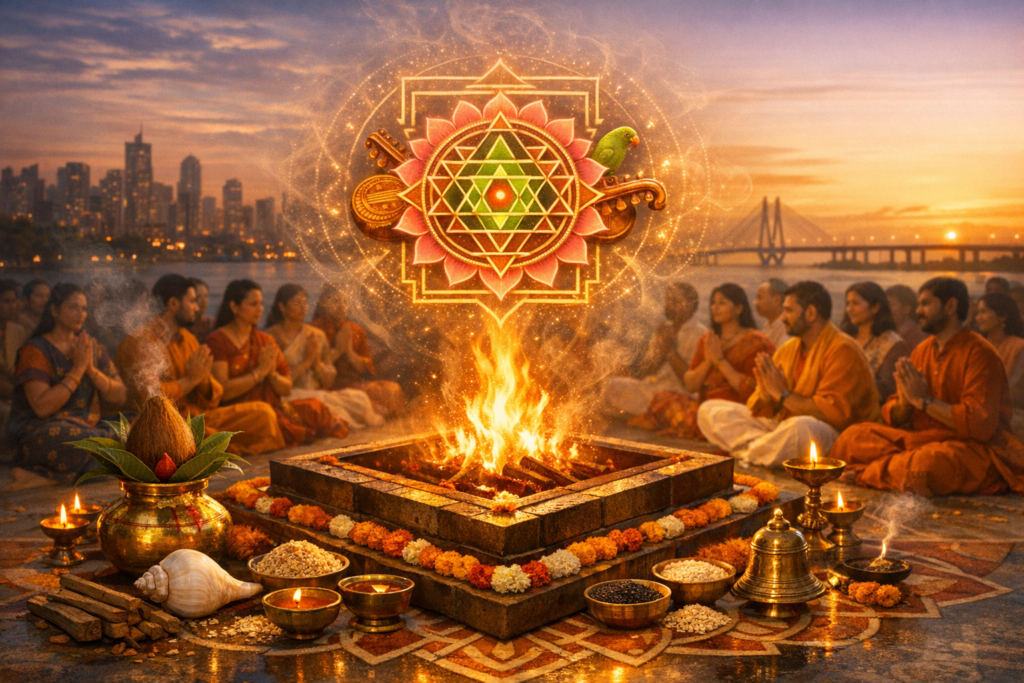
Ritual life reinforces this ethic. In temples dedicated to Dharma Śāstā, abhiṣeka, alaṅkāra that emphasizes the protective aspect, and homa with Śāstā mantras ritualize power as responsibility. Pilgrims to Sabarimala undertake vratas of simplicity, non-injury, truthfulness, and self-control, embodying the very virtues that make “vīra” possible without lapsing into anger or pride. In households and village shrines, Śāstā is venerated as a threshold guardian whose blessings are invoked before journeys, during communal initiatives, and whenever collective resolve must be strengthened with ethical clarity.
The rural Tamil guardian Aiyanar, closely linked in many traditions to Śāstā/Ayyappa, illuminates Veera Shasta’s protective scope at the community level. Iconography of Aiyanar on horseback, flanked by attendants, and encircled by terracotta mounts, mirrors the vigil that Veera Shasta keeps over liminal spaces and village boundaries. This continuum—Aiyanar’s village guardianship and Śāstā’s pan-regional dharma-protection—shows how the vīra ideal spans both intimate local life and the larger civilizational imagination.
Art-historically, bronzes and stone icons conforming to śilpaśāstra canons differentiate yogic serenity from heroic dynamism through posture, weaponry, and gaze. Epigraphic and inscriptional references across the Chola–Pandya–Kerala zones attest to Śāstā/Aiyanar sanctuaries and festivals that strengthen communal cohesion under a canopy of ethical guardianship. Even where textual lists of Ashta Sastha vary, the constancy of Veera Shasta’s message—courage disciplined by dharma—remains striking.
In the wider dharmic family, the protective ideal resonates beyond sectarian boundaries. Sikh teachings on the Sant–Sipahi (saint-soldier) unite devotion and defense; Buddhist traditions revere Dharmapālas and valorize compassionate firmness in the Bodhisattva path; Jain narratives uphold uncompromising ahiṁsā while acknowledging royal duties for social order within a strict ethic of non-violence. Read together, these currents affirm a shared principle: power exists to shield the vulnerable, not to dominate.
Classical dharma places clear guardrails around the use of force. Non-aggression (ahiṁsā) is the living baseline; the resort to force must be a last measure (anivārya), proportionate (mita), aimed at restoration rather than retribution, and accountable to truth, penance (prāyaścitta), and public welfare. When interpreted through this lens, Veera Shasta becomes a study in ethical limits as much as in capacity—an icon of vigilance without cruelty, and firmness without hatred.
Devotional accounts frequently describe an unmistakable affective signature around Veera Shasta: a felt sense of fearlessness (abhaya), moral clarity under pressure, and renewed commitment to duty. Many pilgrims narrate how the vrata disciplines of Ayyappa transform restlessness into steadiness; others point to community rituals for Śāstā that convert private anxieties into shared resolve. Such testimonies suggest that the vīra-bhāva is psycho-spiritual training as much as it is metaphysical symbol.
For contemporary life, Veera Shasta offers a constructive template for leadership and service. In workplaces and public institutions, the ethic translates into principled courage, truth-telling with tact, and readiness to protect colleagues or communities from harm. In civil society, it becomes seva directed toward those at risk—children, the elderly, the displaced—where firmness is required to counter injustice, yet always bounded by empathy and restraint.
Practical contemplations can internalize these insights: reflecting on the bow as long-range vision before speaking or acting; holding the sword as discernment that cuts through confusion; remembering the shield as healthy boundaries; invoking abhaya to reassure others; and keeping varada as generosity in success. Devotees often recite Śāstā nāmāvalis, meditate on the image of Veera Shasta, or observe short vratas of discipline to align intent, speech, and action.
A balanced view also clarifies distinctions within the Śāstā tradition. Sabarimala Ayyappa embodies celibate austerity and equality across social lines; village Śāstā or Aiyanar may emphasize familial guardianship and communal protection. These are not contradictions but complementary foci within the same dharmic arc—meditative stillness and heroic action informing one another for the common good.
In sum, Veera Shasta stands out among the Ashta Sastha as the disciplined radiance of “Veerya” and “Shaurya.” The iconography teaches as much as it inspires; the rituals educate as much as they bless; and the philosophy grounds power in responsibility. When understood in concert with sister currents across Hinduism, Buddhism, Jainism, and Sikhism, the heroic aspect becomes a unifying language—one that calls every seeker to protect, to serve, and to act with unwavering compassion and ethical clarity.
Inspired by this post on Hindu Blog.