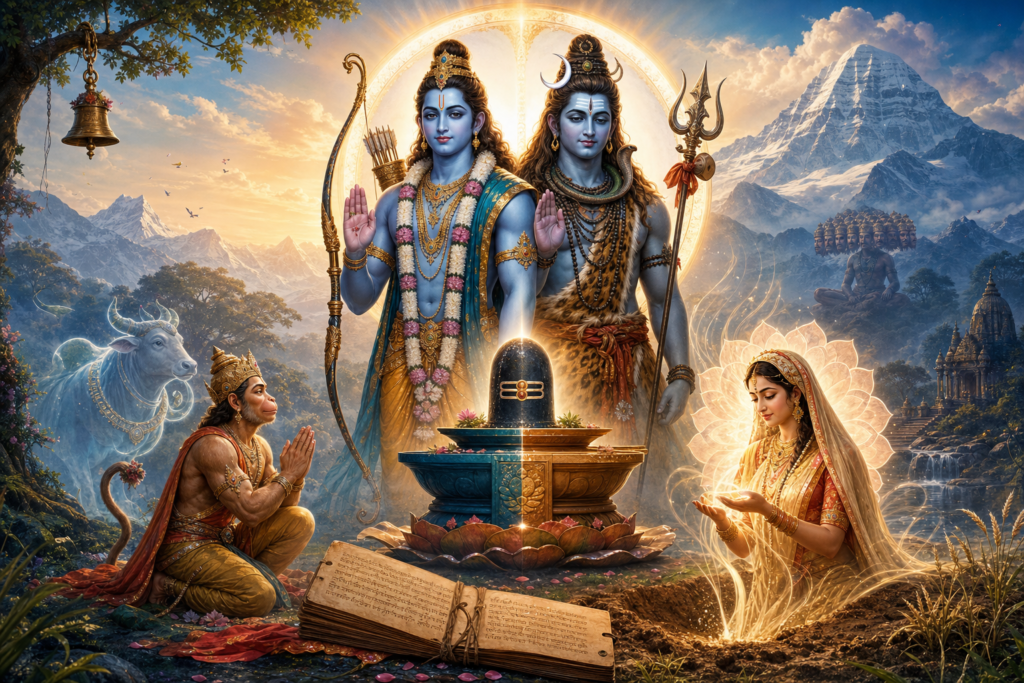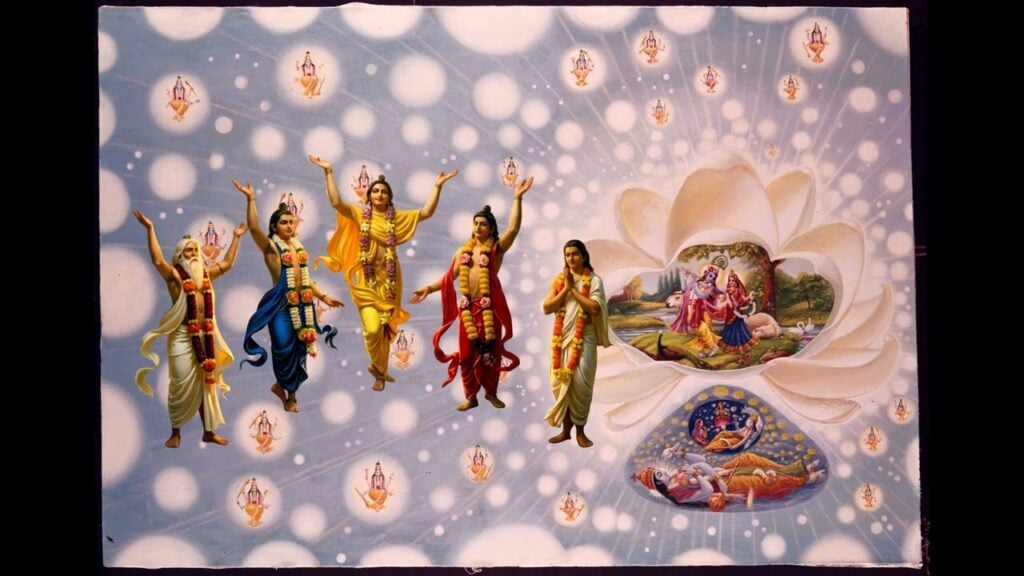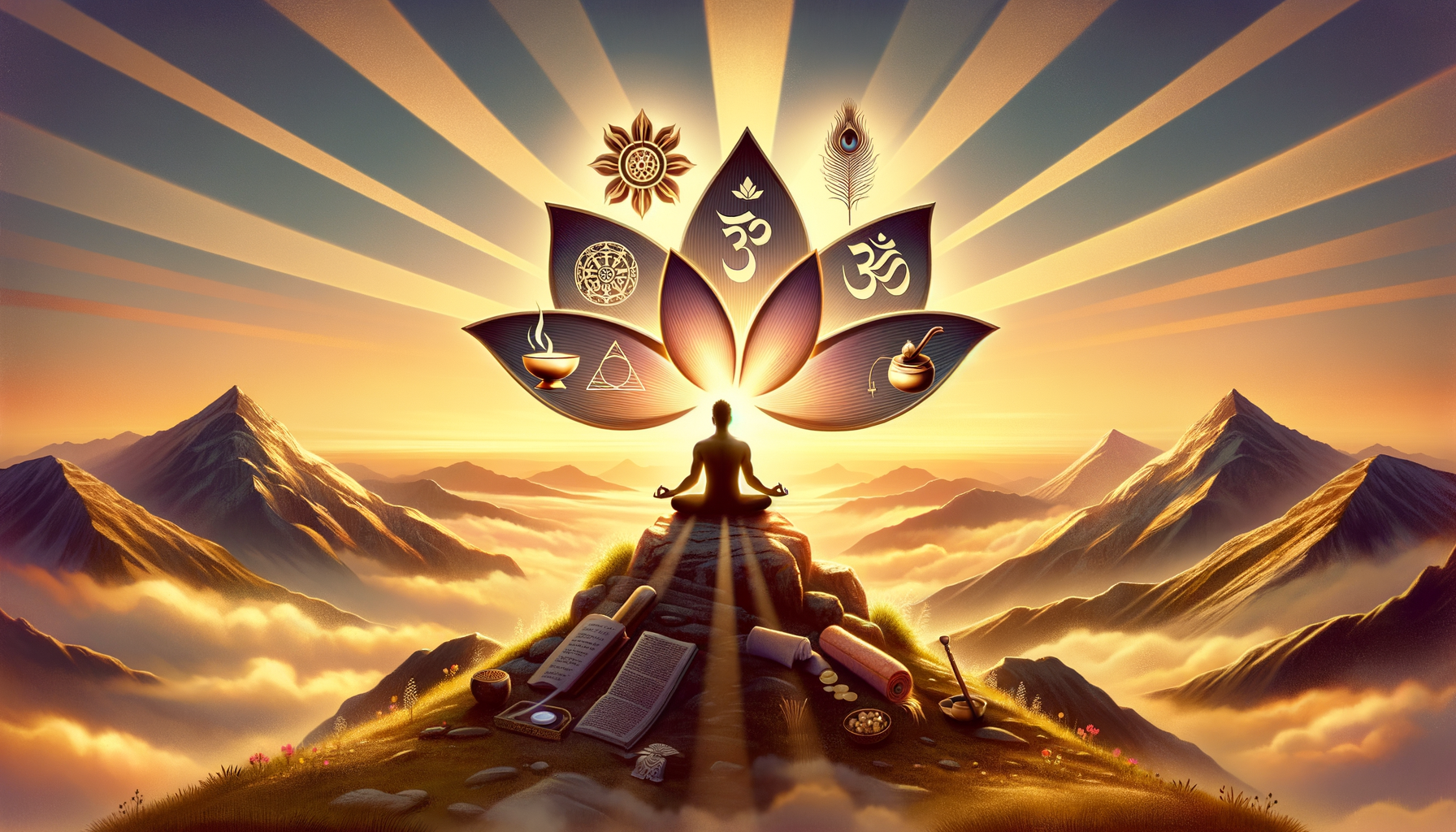
Within the Vaishnava śāstra, the ultimate reality of the human journey is articulated as direct realization of Sri Krsna, the Personality of Godhead. This view, presented with philosophical clarity by Bhaktisvarupa Damodara Swami, aligns with the inclusive ethos of Sanatana Dharma, which recognizes diverse yet convergent pathways to the Supreme Truth across Hinduism, Buddhism, Jainism, and Sikhism.
According to these revealed scriptures, all genuine knowledge culminates in understanding Sri Krsna; sacrifice (yajña) is ultimately meant to please Him; yoga is a disciplined means to realize Him; and the fruits of action (karma) are awarded by Him alone. He is the reservoir of supreme knowledge, and austerities (tapas) are undertaken to know Him. Dharma expresses itself as loving service (seva) to Him, and thus He stands as the supreme goal of life (Bhagavad-Gita references commonly associated with these themes include 3.9, 5.29, 6.47, 7.19, 9.24, and 15.15).
In practical terms, this vision unifies the inner and outer life: study becomes contemplation of the Supreme, discipline refines awareness, service nourishes devotion, and work transforms into offering. Practitioners frequently report that orienting daily actions toward the highest truthSri Krsna in the Vaishnava framework, often rendered as Sri Krishnasteadies the mind, deepens compassion, and provides an enduring sense of purpose and belonging.
While the Vaishnava tradition names the Supreme as Sri Krsna, Dharmic sisters and brothers articulate the same ascent in complementary ways: Hindu bhakti centers on loving devotion; Buddhist practice cultivates wisdom and compassion toward nirvāṇa; Jain discipline advances through ahiṁsā and kevala-jñāna; Sikh teachings emphasize Ik Onkar realized through simran and seva. Each path values ethical conduct, inner purification, and contemplative practice, honoring unity in spiritual diversity and affirming that sincere sādhanā converges on the One Truth by many names and approaches.
Seen through this integrative Dharmic lens, sacrifice, yoga, austerity, and action are not isolated techniques but coordinated disciplines that illumine the same summit of realization. Such an understanding fosters mutual respect among traditions, encourages collaboration in service of all beings, and anchors the seeker in a life of wisdom, devotion, and compassionate responsibility.
Ultimately, the journey’s destination is described as loving service and direct realization of the Supreme TruthSri Krsna in Vaishnava theologywhile remaining fully consistent with the broader Sanatana Dharma commitment to unity across diverse spiritual lineages. This harmonizing insight invites rigorous study, sincere practice, and heartfelt service as the enduring foundations of liberation and peace.
Inspired by this post on Dandavats.