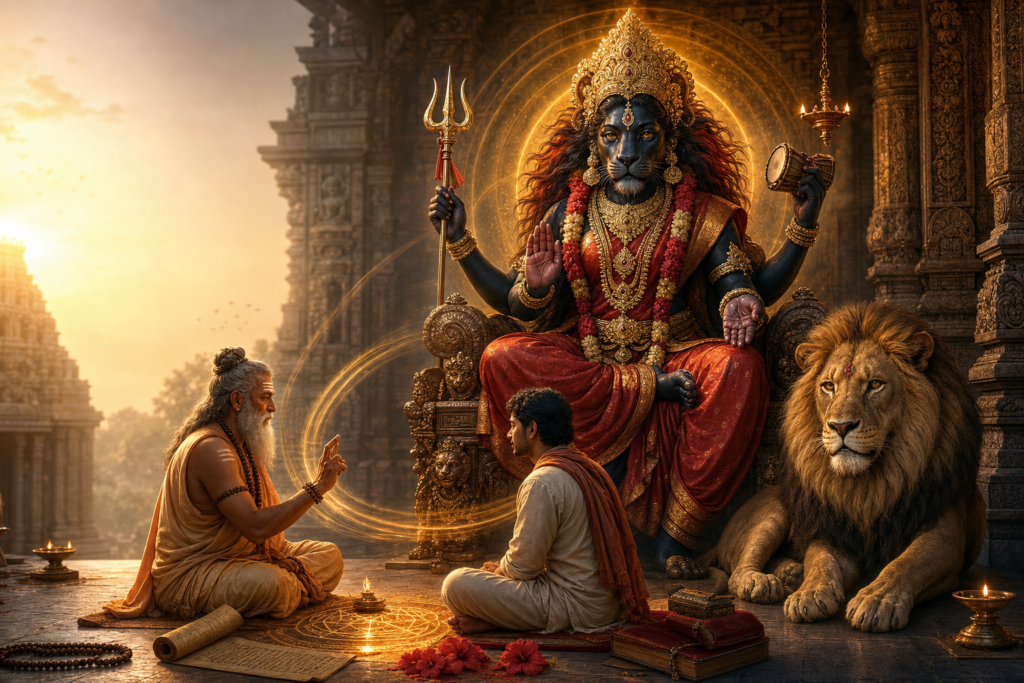
What is hell? In Hindu philosophy, hell is not a distant realm guarded by demons but an inner infernouncontrollable angerthat scorches judgment, relationships, and well-being. This reading situates anger (krodha) as an experiential state that can dominate daily life, turning ordinary moments into personal anguish and social strain.
Hinduism treats anger as a destabilizing force of consciousness that obstructs dharma and obscures discernment. The Bhagavad Gita describes a clear cascade: fixation breeds desire, desire frustrated becomes anger, and anger clouds memory and reason, leading to loss of wisdom and right action. In other words, anger is not merely an emotion; it is a cognition-altering storm that reshapes choices and outcomes.
This dynamic is recognizable in common experience. Many report the same physiological arc: heat in the chest, tightened jaw, narrowed vision, and impulsive speech. Whether in traffic, at work, or at home, the aftermath is strikingly similarregret, rupture, and fatigue. The pattern makes anger feel like a self-made prison; yet, the same pattern reveals a point of intervention.
Within the yogic framework, mastery over anger aligns with yama and niyamaespecially ahimsa (non-violence), kshama (forbearance), and svadhyaya (self-study). Anger is understood as a surge of rajas that can be cooled and clarified by cultivating sattva through disciplined habits, reflective inquiry, and steady practice. This view is not moralistic but functional, showing how inner qualities translate into outer conduct.
Actionable practices emerge from this framework. Breath-regulation (pranayama) anchors attention and calms the nervous system; even three slow exhalations can reduce reactivity. Focused meditation (dhyana) and japa create cognitive space between stimulus and response. Naming the emotion“anger is present”without self-judgment fosters mindful awareness (Mindfulness) and restores agency.
Equally vital is cultivating insight into triggers through svadhyaya. Many find that anger intensifies with poor sleep, stimulants, unregulated screen time, and rumination. Sattva builds through consistent routines, nourishing food, time in nature, and satsanga (uplifting company). These are not abstractions; they are repeatable, measurable supports for emotional resilience and self-control.
This understanding harmonizes with the broader dharmic traditions. Buddhism trains metta (loving-kindness) and karuna (compassion) to decondition anger’s reflex. Jainism identifies krodha as a core kashaya (passion) and advances forgiveness and restraint as disciplined remedies. Sikh teachings name krodh among the “five thieves,” countered by simran and naam that steady attention in truth. Across Hinduism, Buddhism, Jainism, and Sikhism, a unifying principle emerges: inner freedom grows as anger is recognized, restrained, and transformed.
Relationally, anger corrodes trust and belonging, while practiced patience and empathy restore them. Simple protocolspausing before speech, using fewer words, and returning later with clarityprotect bonds. Over time, these habits convert volatile moments into opportunities for learning, strengthening both personal integrity and community harmony.
At the societal level, dharma is served when discourse is guided by steadiness rather than outrage. In families, schools, workplaces, and civic spaces, the same disciplinesbreath awareness, reflective pauses, and compassionate framingreduce harm and promote shared understanding. The transformation of anger thus becomes a shared social good, not only a private victory.
Hindu wisdom therefore reframes “hell” as a state that can be exited through knowledge, practice, and purpose. Uncontrollable anger need not define identity or destiny. With ahimsa, dhyana, pranayama, and svadhyaya, the inner inferno cools into clarity, and peace becomes a lived possibilityone mindful breath, one restrained word, and one compassionate decision at a time.
Inspired by this post on Hindu Blog.