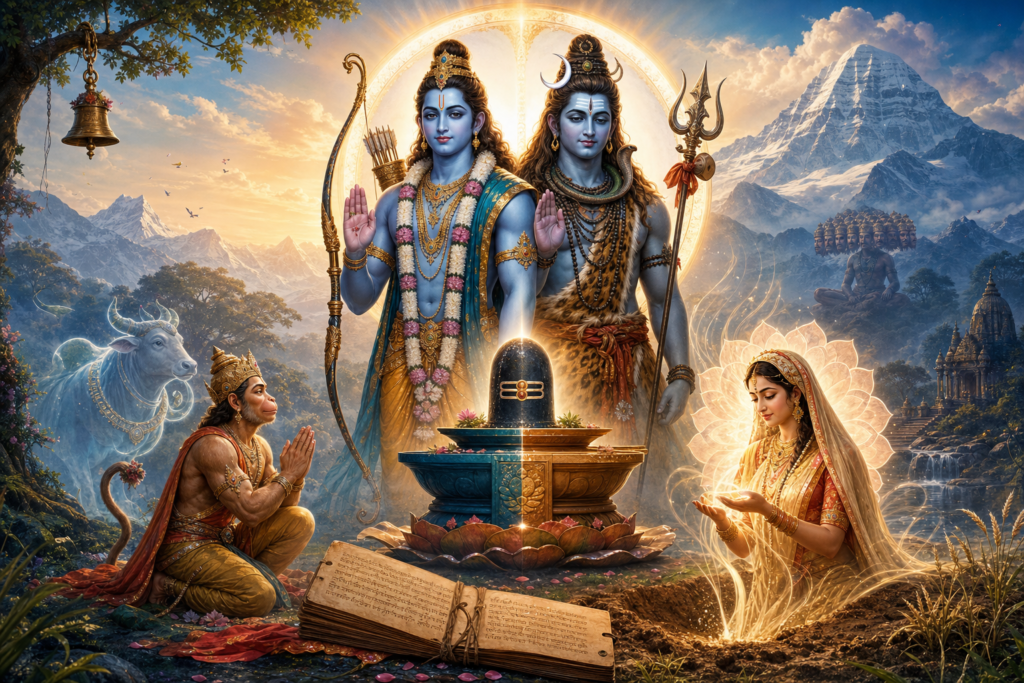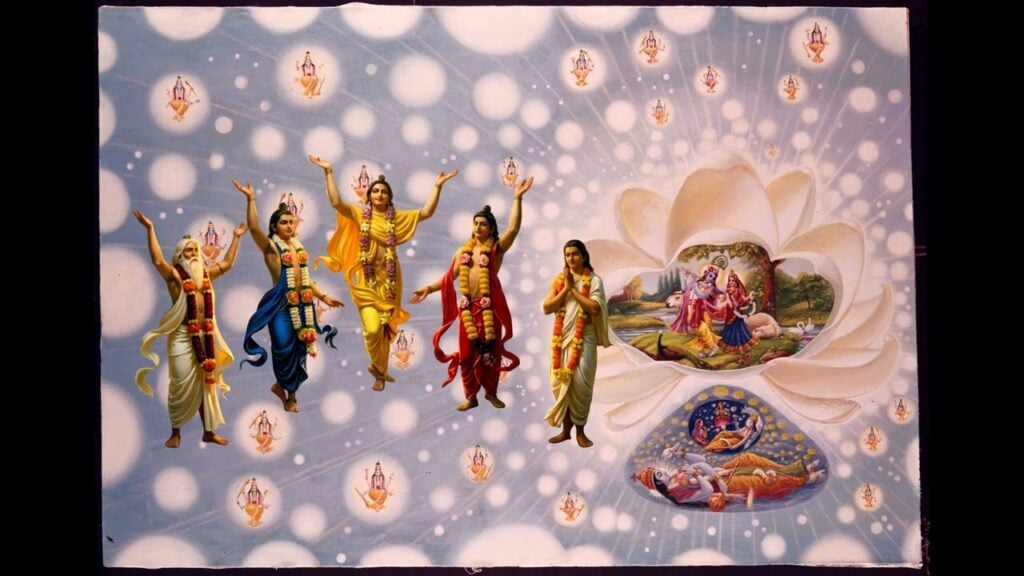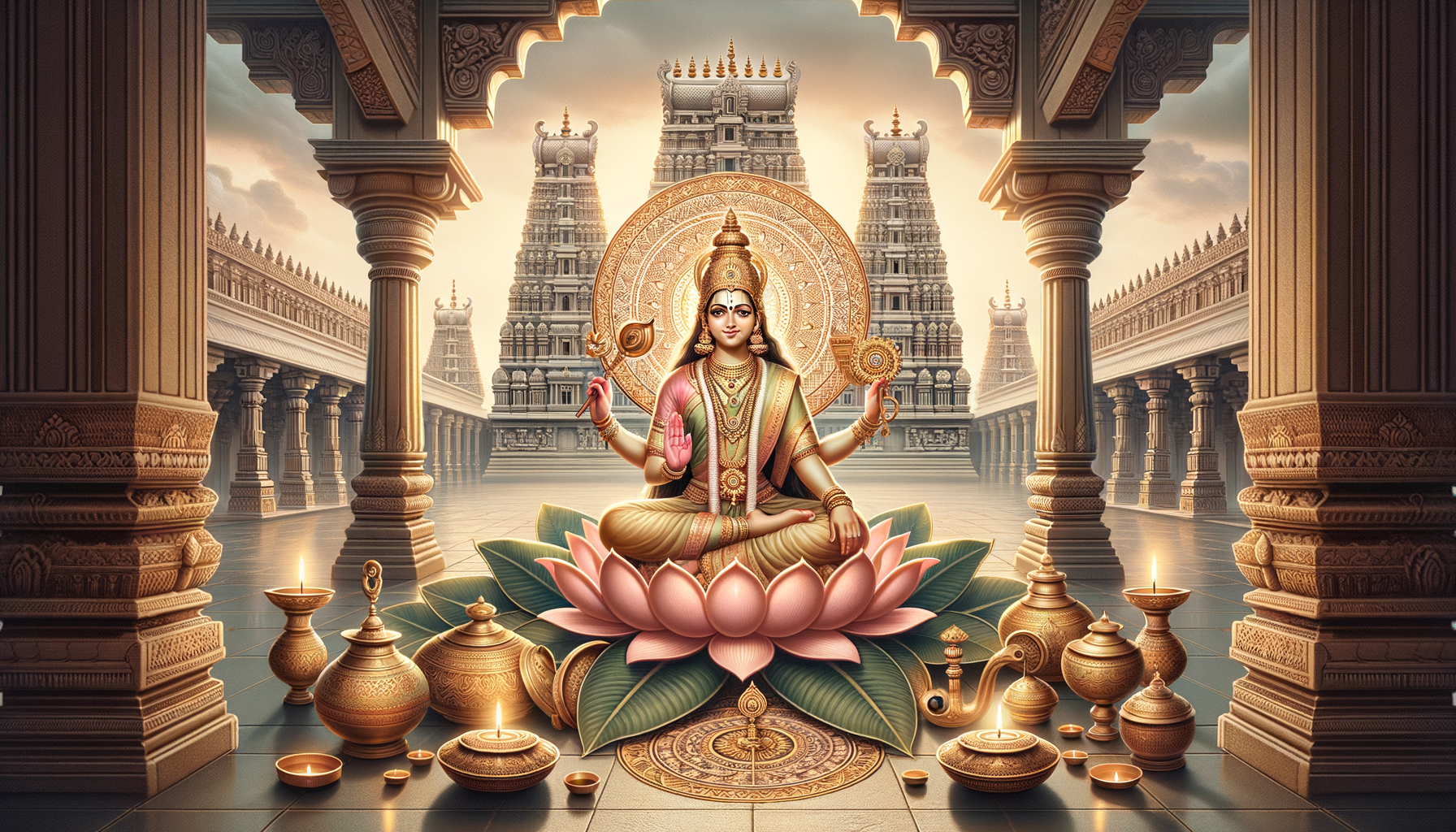
Sri Vaishnavism (Srivaishnavism) is a distinguished tradition within Hinduism centered on the worship of Bhagavan Vishnu and his avatars, especially Sri Rama and Sri Krishna. Rooted deeply in South Indiamost notably in Tamil Nadu and Karnatakait offers a refined synthesis of Vedanta philosophy and fervent bhakti, presenting a living pathway that is both intellectually rigorous and emotionally resonant.
Historically, this lineage draws vitality from the Tamil Alvars, whose devotional hymns (the Divya Prabandham) make the divine feel immediate and intimate for devotees, and from Acharyas who systematized its theology. Figures such as Nathamuni, Yamunacharya, and Ramanuja articulated Vishishtadvaita Vedanta, while later masters like Vedanta Desika and Pillai Lokacharya safeguarded liturgy, ethics, and practice. This harmonization of Tamil and Sanskrit sourcestemple poetry and philosophical commentaryembodies a distinctive balance of heart and mind.
Geographically, the tradition flourishes around sacred centers including Srirangam, Kanchipuram, Tirumala–Tirupati, and Melkote. Pilgrims often describe the grandeur of Vishnu temples, the cadence of Vedic and Prabandham recitation, and the grace-filled atmosphere of daily and seasonal rituals as profoundly transformative. In many households, this devotional aesthetic extends into home worship, where recitation of the Bhagavad Gita and Divya Prabandham nurtures a steady rhythm of contemplation and service.
At its philosophical core, Sri Vaishnavism upholds Vishishtadvaitaqualified non-dualismwhich affirms the real relationship between the individual self (jiva), the world (jagat), and the Supreme (Ishvara). Divine grace flows through Vishnu in unity with Sri (Lakshmi), making surrender (prapatti) and loving devotion (bhakti) central modes of spiritual realization. This framework fosters a devotional life that is both accessible and profound, inviting disciplined study alongside heartfelt worship.
Practice integrates ritual and ethics through the Pancharatra and Vaikhanasa traditions, temple service (kainkarya), and a strong emphasis on compassion, humility, and duty (dharma). Devotees often describe how the poetry of the Alvars renders transcendence personal, while the commentarial tradition clarifies lofty metaphysics for everyday life. Festivals such as Vaikunta Ekadashi and Brahmotsavams reinforce communal bonds, celebrate divine presence, and sustain cultural continuity across generations.
As a living tradition, Sri Vaishnavism exemplifies pluralism within Hinduism: it welcomes multiple modes of worship, a spectrum of scriptural voices, and a diversity of devotional temperaments. This openness resonates with broader dharmic values shared across Hinduism, Buddhism, Jainism, and Sikhismvalues such as compassion, ethical self-cultivation, disciplined practice, and reverence for truth. By honoring this shared moral and spiritual ground, the tradition contributes to unity-in-diversity among dharmic paths while maintaining its distinctive theological insights.
In contemporary contextsfrom temple towns in Tamil Nadu and Karnataka to global diaspora communitiesSri Vaishnavism continues to inspire through scholarship, music, architecture, and community service. Its enduring appeal lies in a compelling promise: the integration of reason and love, study and song, philosophy and devotion. For many, this integration makes the experience of Vishnuthrough Sri Rama and Sri Krishnafeel both intellectually clarifying and emotionally restorative, guiding seekers toward a life of meaning, service, and spiritual confidence.
Inspired by this post on Hindu Blog.