Krishna’s guidance in the Bhagavad Gita speaks directly to a timeless tension in spiritual life: whether liberation is best pursued through renunciation (sannyasa) or through active participation in the world (grihastha). In an age marked by complexity and rapid change, this teaching demonstrates how dharma can be lived fully without withdrawing from responsibilities, aligning the household path with a mature, contemplative wisdom.
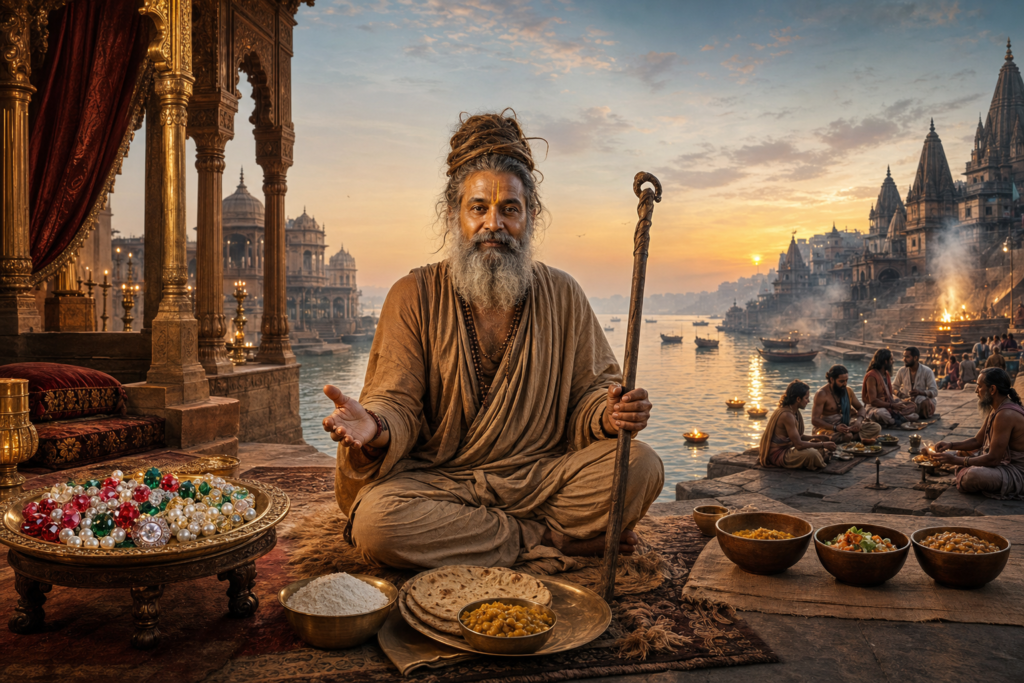
Across spiritual history, the hermit tradition often viewed the world as a realm of attachment and distraction, encouraging complete withdrawal from material life. By contrast, the householder path emphasized duty, care, and service within society. The Gita reframes this perceived conflict by revealing that inner renunciationfreedom from clinging and egocan be realized while fulfilling worldly obligations with steadiness, compassion, and clarity.
In Krishna’s synthesis, Karma Yoga becomes the pivot: action offered without attachment to personal reward harmonizes worldly engagement with spiritual ascent. Renouncing the fruits of action, rather than action itself, cultivates a calm mind and an unwavering heart. This transforms daily life into a field of sadhana, where caregiving, work, and community service become expressions of Sanatan Dharma and the Hindu way of life.
This vision is profoundly suited to Kali Yuga, when few can pursue absolute seclusion. Duties to family, community, and society need not obstruct realization; rightly understood, they are vehicles for it. Practiced as disciplined presence, ethical integrity, and compassion, the grihastha path integrates contemplative depth with responsible citizenship, allowing spiritual maturity to flower in ordinary circumstances.
Krishna’s teaching also supports unity across dharmic traditions. The Buddhist Middle Way moderates extremes of indulgence and asceticism; Jain householders (shravakas) embody aparigraha and nonviolence within family life; Sikh teachings elevate grihastha, seva, and remembrance of the Divine amidst work. Each tradition honors an integrated, compassionate way of living that aligns with unity in spiritual diversity and fosters mutual respect.
Concrete applications follow naturally: cultivate nishkama karma (acting without fixation on outcomes); sustain daily remembrance through japa and mindful breath; uphold truth and non-harming in speech and livelihood; practice generosity as a counter to grasping; and serve community needs as a form of worship. These steady habits refine attention, soften egoic impulses, and align action with dharma.
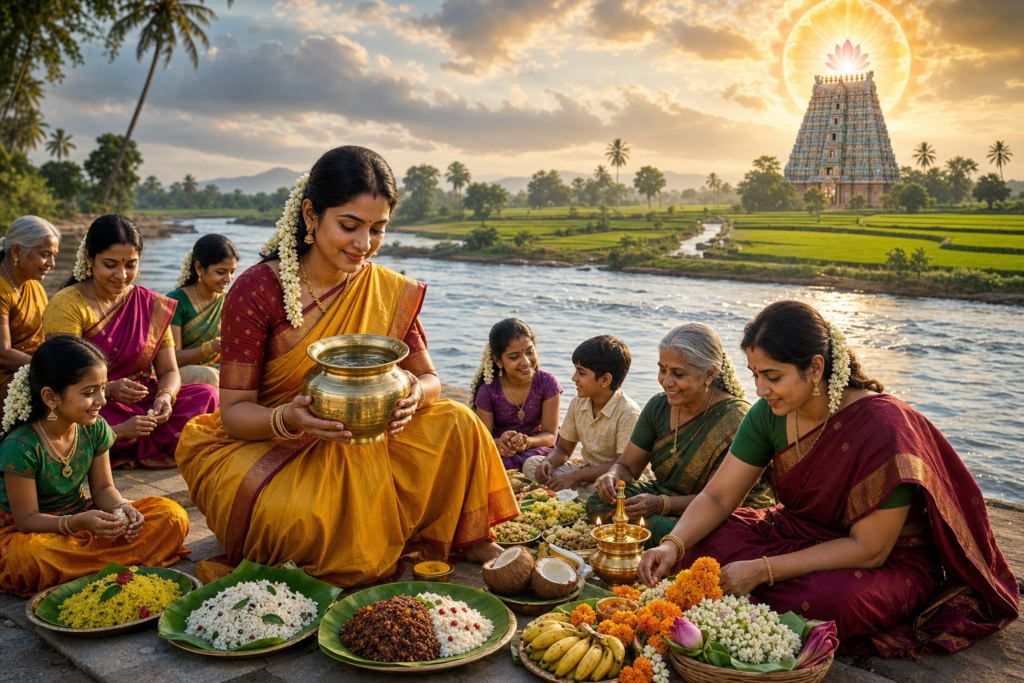
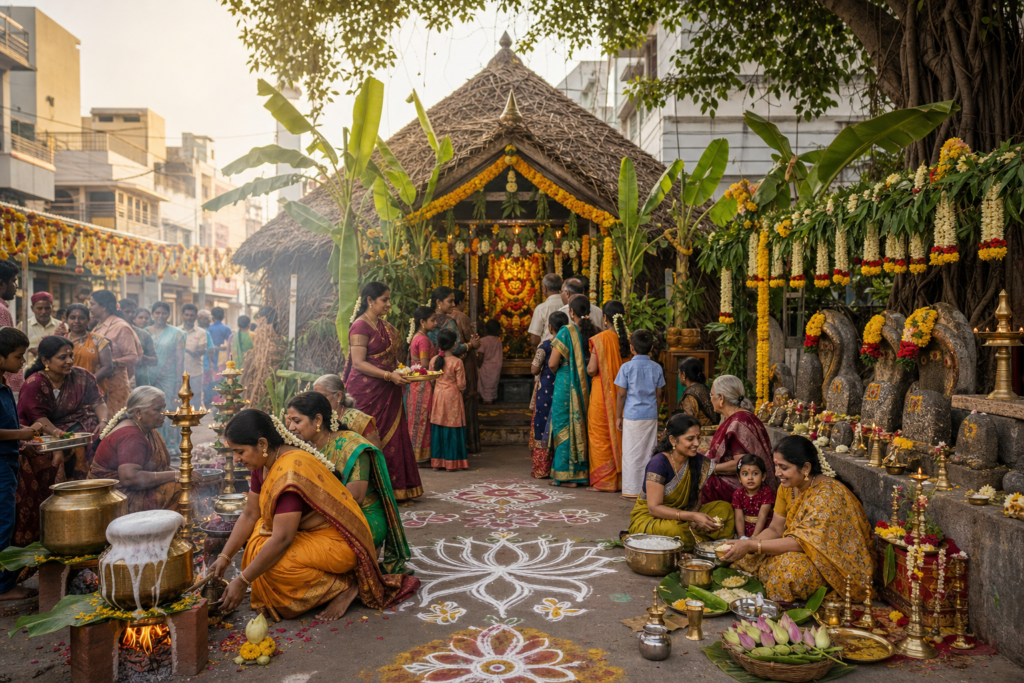
Many contemporary seekers recognize this path in lived experiencebalancing caregiving, livelihoods, and social duties while yearning for inner stillness. Under Krishna’s counsel, stress reorients into purpose, routine becomes ritual, and small acts of integrity assume sacred significance. The daily rhythmmeeting a deadline with honesty, tending to a family member with patience, offering time to community servicebecomes a quiet liturgy of Karma Yoga.
Krishna’s reframing of dharma thus offers a practical, inclusive blueprint: remain engaged, act skillfully, and cultivate inner freedom. Rather than dividing renunciation and responsibility, it joins them in a single, coherent discipline. In doing so, it strengthens harmony among Hinduism, Buddhism, Jainism, and Sikhism, and invites a shared commitment to compassion, truth, and service in the world.
Inspired by this post on Hindu Blog.